





The Metal Injection Molding Process
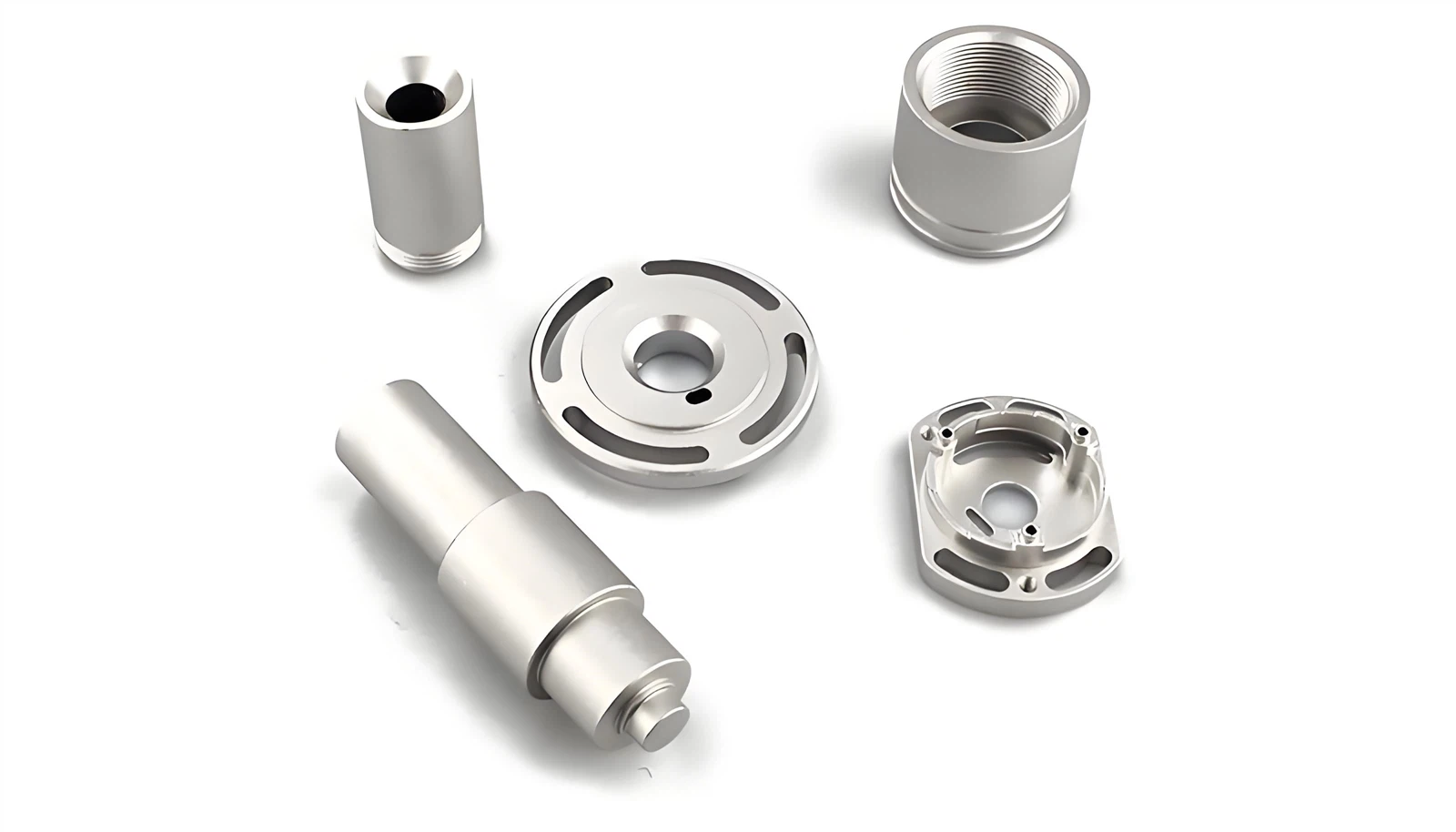
Metal Injection Molding (MIM) combines the design flexibility of plastic injection molding with the superior mechanical properties of metals, delivering complex, high-precision components with unparalleled efficiency.
20%
Annual Industry Growth
0.01mm
Typical Precision Tolerance
10M+
Components Produced Daily
60%
Material Waste Reduction
Overview of Metal Injection Molding
Metal Injection Molding (MIM) is a cutting-edge manufacturing process that combines the versatility of plastic injection molding with the strength and durability of metals. This innovative technique has revolutionized the production of small, complex metal components across various industries.
What is MIM?
Metal Injection Molding (MIM) is a precision manufacturing process for producing complex-shaped metal components. It involves mixing fine metal powders with a binder material to form a feedstock, which is then injected into a mold cavity.
History of MIM
The roots of Metal Injection Molding trace back to the 1970s, but it wasn't until the 1990s that the process gained commercial traction. Since then, advancements in materials science and process technology have expanded its capabilities and applications.
simulator
The global Metal Injection Molding market is experiencing significant growth, driven by demand from industries such as electronics, healthcare, automotive, and aerospace. It is projected to reach $XX billion by 20XX, growing at a CAGR of XX% from 20XX to 20XX.
Why Metal Injection Molding?
Metal Injection Molding offers a unique combination of design flexibility, material choice, and cost-effectiveness that makes it ideal for producing small, complex parts with tight tolerances. It bridges the gap between traditional manufacturing methods and the demands of modern industries.
Complex geometries that are impossible or costly with other methods
High precision and tight tolerances (typically ±0.3%)
Excellent surface finish and dimensional consistency
Wide range of materials including stainless steels, alloys, and high-performance metals
Cost-effective for medium to high volume productio
Understanding the Metal Injection Molding Process
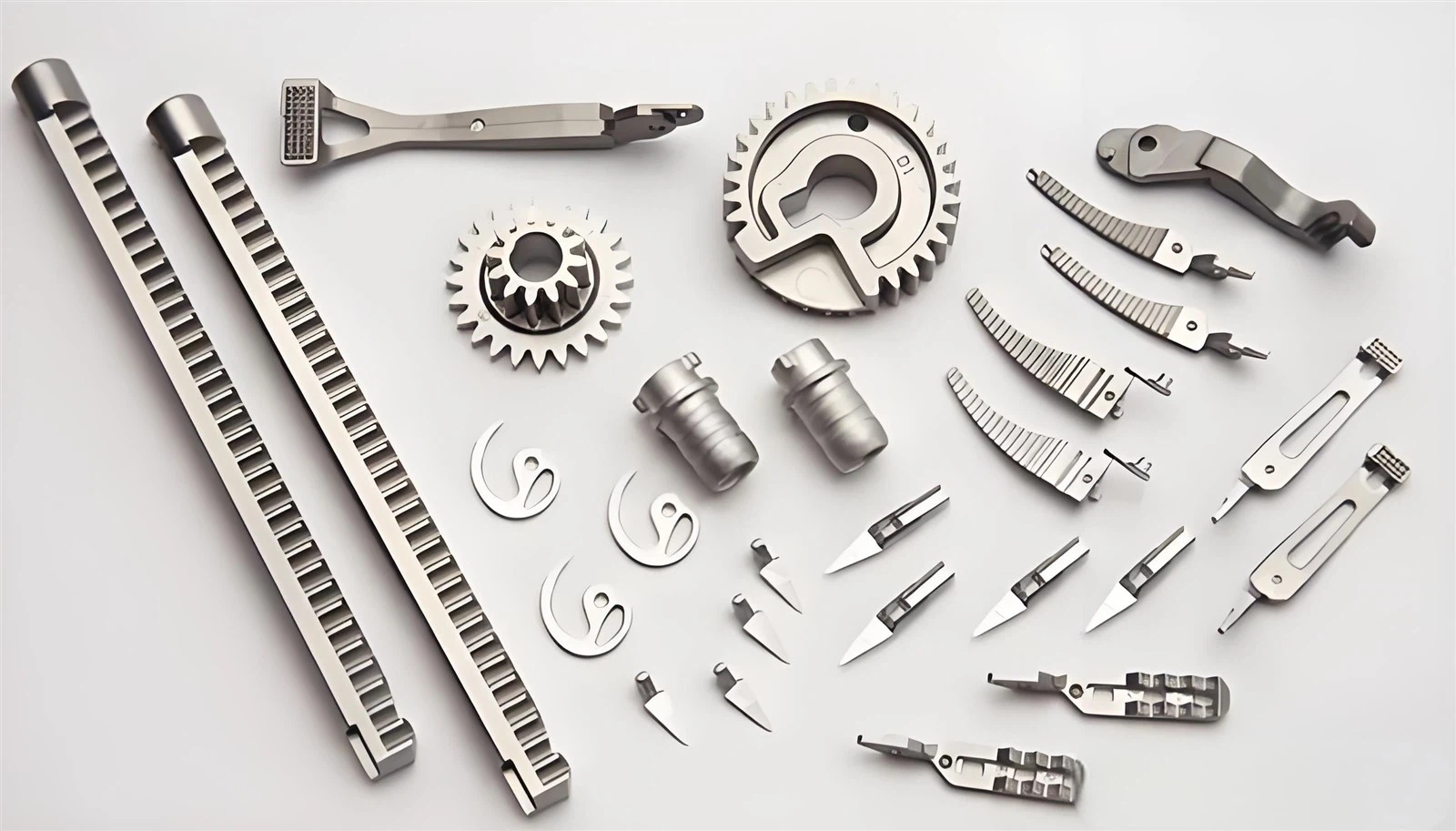
The MIM process combines the principles of plastic injection molding and powder metallurgy to create complex metal components with high precision and excellent mechanical properties.
The process begins with the creation of a homogeneous feedstock by mixing fine metal powders (typically 1-20 microns in size) with a thermoplastic binder system. The binder provides the flow characteristics necessary for injection molding while maintaining the shape of the component during subsequent processing.

2.Injection Molding

The feedstock is heated to a molten state and injected into a precision-machined mold cavity under high pressure. The mold, typically made of tool steel, is designed to create the desired shape of the final component. After injection, the mold is cooled, and the molded part, known as the "green part," is ejected.
The green part is subjected to a debinding process to remove the majority of the binder material. This is typically achieved through thermal, catalytic, or solvent-based methods. The debound part, referred to as the "brown part," retains its shape but is porous and fragile, requiring careful handling.

4.Sintering

The brown part is sintered in a controlled atmosphere furnace at high temperatures (typically 1,200-1,400°C). During sintering, the metal particles fuse together, eliminating porosity and achieving near-full density. This results in a significant reduction in volume (typically 15-20%) and enhances the mechanical properties of the component to near-wrought levels.
After sintering, components may undergo secondary operations such as heat treatment to enhance hardness and strength, surface finishing (e.g., plating, polishing, or coating) to improve corrosion resistance or aesthetics, and precision machining to achieve tighter tolerances or add features not feasible during molding.

MIM Process Flow Diagram
Material Selection
Feedstock
Injection
Debinding & Sintering
Final Component
Materials Used in Metal Injection Molding
Metal Injection Molding supports a wide range of materials, each offering unique properties to meet diverse application requirements.

Stainless Steels
The most widely used materials in MIM, stainless steels offer excellent corrosion resistance, high strength, and good ductility. Common grades include 316L, 17-4PH, and 420.
Corrosion Resistance
Strength
Cost

Low-Alloy Steels
These materials provide high strength and hardness, making them suitable for applications requiring wear resistance. Examples include 4140, 4340, and 8620.
Strength
Wear Resistance
Machinability
Tool Steels
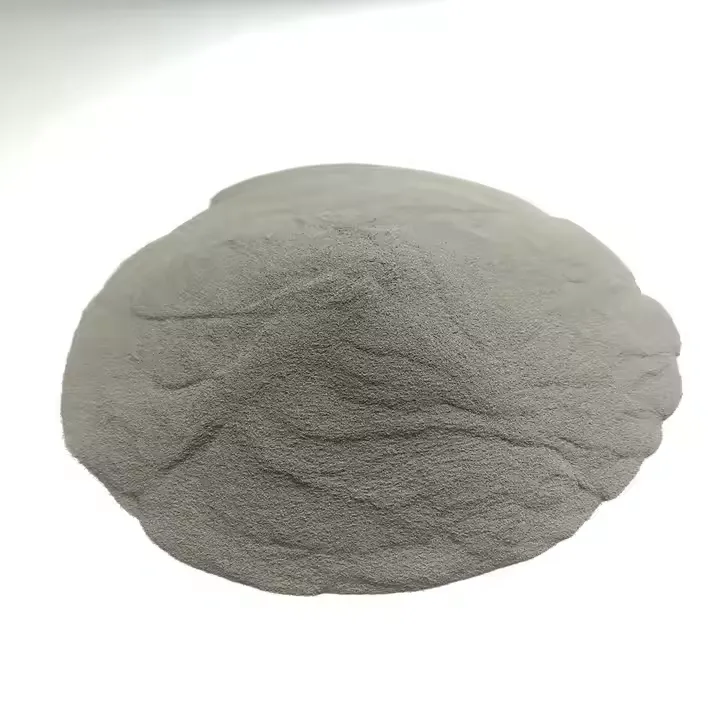
Ideal for high-strength applications and tools, tool steels such as D2, H13, and M2 offer exceptional hardness, wear resistance, and heat resistance.
Hardness
Heat Resistance
Cost

Titanium
Titanium alloys, such as Ti-6Al-4V, provide an excellent strength-to-weight ratio and superior corrosion resistance, making them ideal for aerospace and medical applications.
Strength-to-Weight
Corrosion Resistance
Cost

Tungsten Alloys
Tungsten heavy alloys offer high density, excellent radiation shielding properties, and good mechanical strength, making them suitable for aerospace and defense applications.
Density
Radiation Shielding
Machinability

Kovar
Kovar, an iron-nickel-cobalt alloy, exhibits a low coefficient of thermal expansion, making it ideal for applications requiring thermal compatibility with glass or ceramics.
Thermal Expansion
Electrical Conductivity
Applications
Material Selection Guide
Choosing the right material for your Metal Injection Molding project is critical to achieving the desired performance and cost-effectiveness. Consider the following factors:
Key Material Properties
Strength and Hardness: Required for structural components and wear-resistant parts
Corrosion Resistance: Essential for applications in harsh environments
Heat Resistance: Critical for high-temperature applications
Magnetic Properties: Important for electromagnetic components
Biocompatibility: Necessary for medical and dental applications
Density: Influences component weight and functionality
Material Cost Considerations
Raw Material Cost: Varies widely depending on alloy composition
Processing Complexity: Some materials require specialized equipment
Post-Processing Requirements: Additional treatments add to cost
Volume Considerations: Material cost per part decreases with higher volumes
Availability: Specialty alloys may have longer lead times
Applications of Metal Injection Molding
Metal Injection Molding (MIM) is used across a wide range of industries to produce complex, high-performance components with precision and efficiency.
Medical Devices
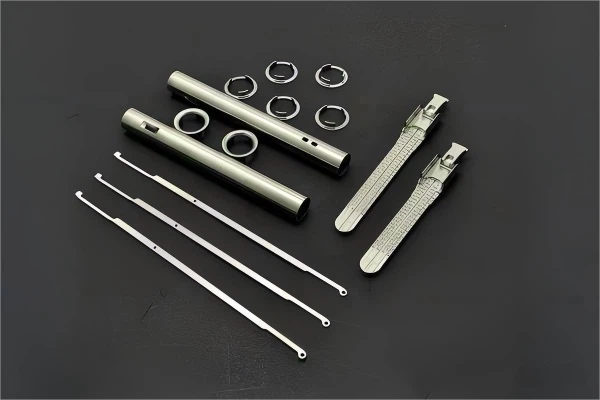
MIM is widely used in the medical industry to produce precision components such as surgical instruments, dental implants, orthopedic devices, and drug delivery systems. Biocompatible materials like titanium and stainless steel ensure safety and reliability.
Surgical Tools
Dental Implants
Orthopedic Devices

Electronics
The electronics industry benefits from MIM's ability to produce small, intricate components with tight tolerances. Applications include connectors, sensors, actuators, heat sinks, and electromagnetic shielding.
Connectors
Sensors
Shielding

Automotive
In the automotive sector, MIM is used for producing components such as transmission parts, fuel injection systems, ignition components, and safety features. Its ability to create complex shapes reduces assembly steps and weight.
Transmission Parts
Fuel System
Safety Components

Aerospace
Aerospace applications of MIM include components for engines, airframes, and avionics systems. High-temperature alloys and titanium are commonly used to meet the industry's demanding requirements for strength, durability, and weight reduction.
Engine Components
Avionics
Structural Parts
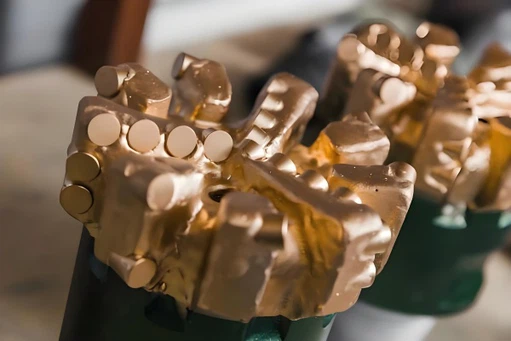
Firearms
The firearms industry relies on MIM for producing small, complex parts such as triggers, hammers, magazines, and sights. MIM allows for the integration of multiple functions into a single component, improving performance and reducing costs.
Triggers
Magazine Parts
Sights
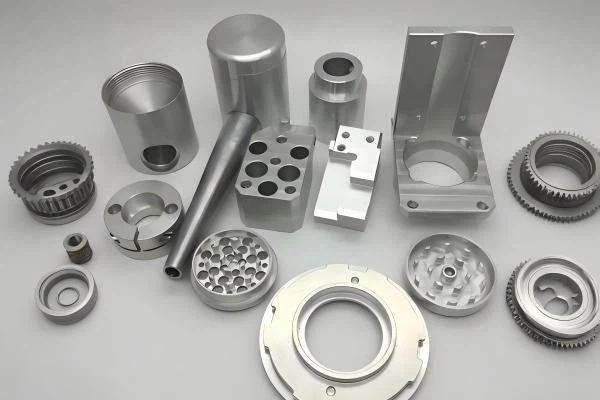
Consumer Products
In consumer goods, MIM is used to create high-quality, intricate components for watches, jewelry, tools, and sporting goods. It enables the production of detailed designs with excellent surface finish and material properties.
Watch Components
Jewelry
Tools
Case Studies: MIM in Action
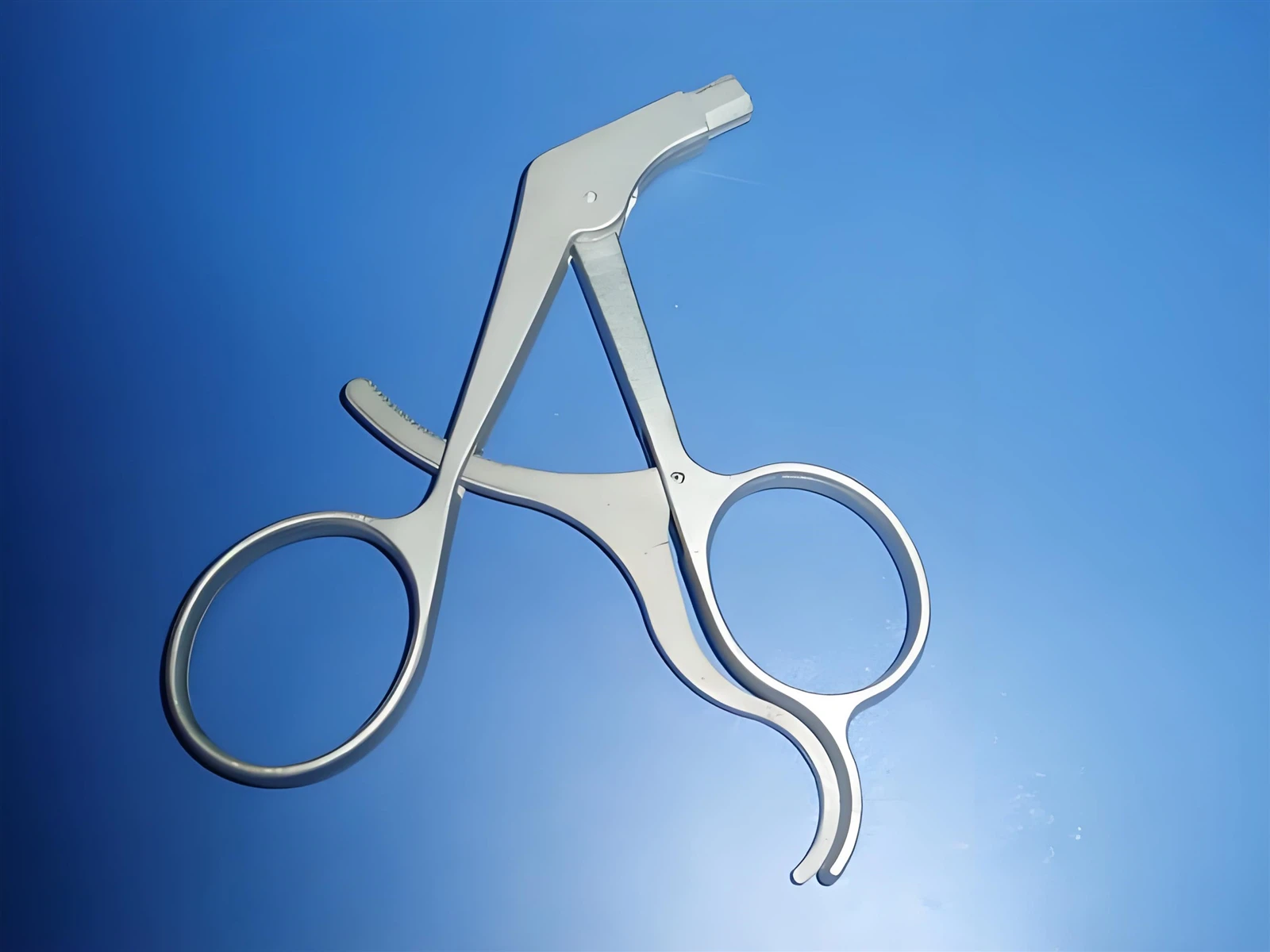
Medical Instrument Innovation
Replacing CNC Machining with MIM
A leading medical device manufacturer needed a complex, high-precision component for a surgical instrument. The original CNC machining process was costly and time-consuming, with tight tolerances proving challenging to achieve consistently.
Key Results:
Reduced production cost by 45%
Shortened lead time from 12 weeks to 4 weeks
Achieved tighter tolerances and improved consistency
Eliminated secondary operations through near-net-shape manufacturing
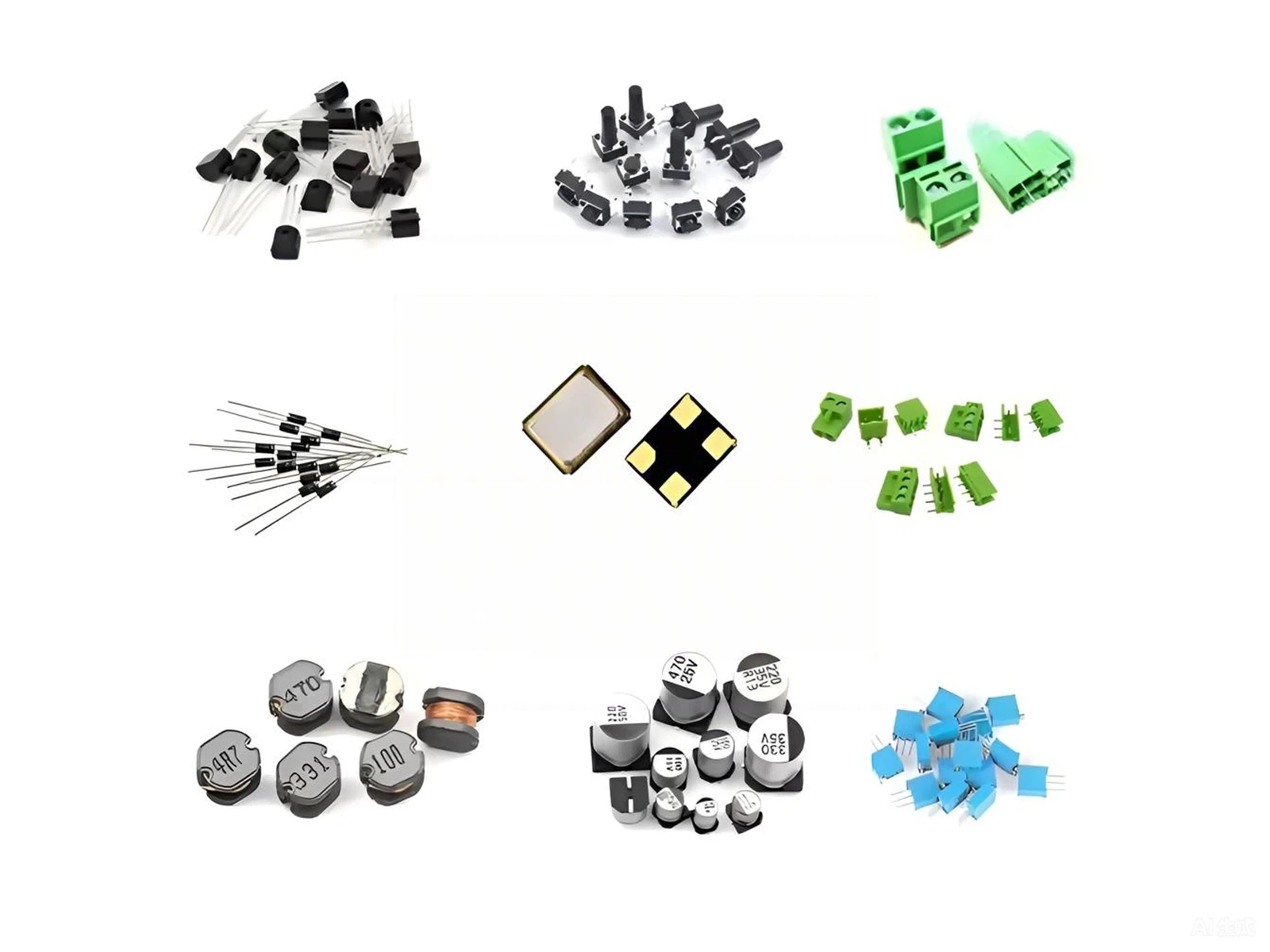
Miniaturized Electronics Component
Enabling Next-Gen Device Design
A consumer electronics company required a tiny, complex component with intricate internal features for a new wearable device. Traditional manufacturing methods could not produce the required geometry with the necessary precision and material properties.
Key Results:
Successfully produced complex geometry impossible with CNC
Maintained tight tolerances of ±0.01mm
Material properties met electromagnetic shielding requirements
Production costs reduced by 38% compared to alternative methods
Advantages of Metal Injection Molding
Metal Injection Molding (MIM) offers numerous benefits over traditional manufacturing methods, making it a preferred choice for many industries.
Design Flexibility
MIM enables the production of complex geometries that are impossible or cost-prohibitive with traditional methods. It can create parts with undercuts, thin walls, internal features, and intricate details in a single step.
Reduced Assembly Steps
MIM allows the integration of multiple features into a single component, eliminating the need for assembly of multiple parts. This reduces production time, labor costs, and potential points of failure.
High Precision
MIM delivers exceptional dimensional accuracy with tolerances typically ranging from ±0.3% to ±0.5%, which can be further improved with secondary operations. This makes it suitable for applications requiring tight tolerances.
Material Efficiency
While tooling costs for MIM are higher than some traditional methods, the per-part cost decreases significantly with larger production volumes. This makes MIM an economical choice for medium to high-volume production runs.
Material Versatility
MIM supports a wide range of materials, including stainless steels, low-alloy steels, tool steels, nickel-based alloys, titanium, and more. This allows designers to select the optimal material for their specific application requirements.
Cost-Effective for Medium to High Volumes
While tooling costs for MIM are higher than some traditional methods, the per-part cost decreases significantly with larger production volumes. This makes MIM an economical choice for medium to high-volume production runs.
Superior Mechanical Properties
MIM parts exhibit excellent mechanical properties comparable to wrought materials. The fine powder used in the process results in a homogeneous microstructure, providing high strength, hardness, and fatigue resistance.
Excellent Surface Finish
MIM parts typically have a smooth surface finish (Ra 1.6-3.2 μm) straight out of the mold, reducing or eliminating the need for additional finishing operations. This results in shorter lead times and lower costs.
MIM vs. Traditional Manufacturing Methods
| Criteria | Metal Injection Molding (MIM) | CNC Machining | Investment Casting | Forging |
|---|---|---|---|---|
| Complexity | Highly complex geometries possible | Limited by tool access | Moderate complexity | Simple to moderate shapes |
| Tolerance | ±0.3% to ±0.5% | ±0.05% to ±0.1% | ±0.5% to ±1% | ±1% to ±2% |
| Surface Finish | Excellent (Ra 1.6-3.2 μm) | Excellent (Ra 0.4-1.6 μm) | Good (Ra 3.2-6.3 μm) | Fair (Ra 6.3-12.5 μm) |
| Material Options | Wide range including stainless steel, titanium, alloys | Almost any metal | Most metals, but limited to castable alloys | Ductile metals and alloys |
| Production Volume | Optimal for 10,000+ parts | Low to medium volumes | Medium to high volumes | High volumes |
| Tooling Cost | High ($5,000-$20,000) | Low to moderate | Moderate to high | Very high |
| Part Size | Small to medium (typically < 100g) | No practical limit | Small to very large | Small to very large |
| Lead Time | 4-8 weeks (including tooling) | 1-4 weeks | 4-12 weeks | 6-16 weeks |
| Typical Applications | Medical devices, electronics, firearms, automotive components | Prototypes, custom parts, low-volume production | Aerospace components, jewelry, machinery parts | Automotive parts, hand tools, structural components |
Design Guidelines for Metal Injection Molding
Effective design is critical to maximizing the benefits of Metal Injection Molding (MIM). Following these guidelines will help ensure successful production of high-quality components.
Wall Thickness
Aim for uniform wall thickness to avoid warping and shrinkage issues during sintering
Typical wall thickness range: 0.5 mm to 6 mm
Minimum recommended wall thickness: 0.3 mm for small components
Gradual transitions between different wall thicknesses
Holes and Pins
Minimum hole diameter: 0.3 mm (0.5 mm recommended for best results)
Maximum hole depth: 4 times the diameter for blind holes, 8 times the diameter for through holes
Center-to-center distance between holes: Minimum 1.5 times the hole diameter
Avoid eccentric holes; concentric holes are preferred
Draft Angles
Incorporate draft angles of at least 0.5° to 1° on vertical walls to facilitate ejection from the mold
Larger draft angles (2° or more) may be required for deeper features
Internal features may require slightly larger draft angles than external features
Undercuts
Simple undercuts can be accommodated with sliding inserts in the mold
Avoid complex or deep undercuts, as they increase tooling costs
Internal undercuts are more challenging and may require secondary operations
Radii and Fillets
Use generous radii (minimum 0.3 mm) at all internal corners to reduce stress concentrations
External corners can have smaller radii or sharp edges
Fillet radii should be at least 0.5 times the adjacent wall thickness
Threads
Minimum thread size: M1.6 or #2-56 (inch)
External threads are more easily molded than internal threads
Consider using inserts or secondary tapping for critical threads
Maximum thread length: 3 times the thread diameter
Design Optimization for MIM
Optimizing your design for Metal Injection Molding (MIM) can significantly improve part quality, reduce costs, and shorten lead times. Here are some key considerations:
Design Integration
Combine multiple parts into a single MIM component to eliminate assembly steps
Integrate features like bosses, ribs, and holes directly into the design
Material Selection
Choose materials based on mechanical properties, corrosion resistance, and cost
Consider post-sintering treatments like heat treatment or plating
Tolerance Management
Specify tolerances only where necessary to avoid unnecessary costs
Work with your MIM supplier to understand achievable tolerances
Quality Control in Metal Injection Molding
Ensuring the highest quality standards is critical in Metal Injection Molding (MIM) to meet the demanding requirements of various industries.
Raw Material Inspection
Particle size analysis to ensure powder meets specified requirements
Chemical composition verification using spectroscopy
Flowability and density testing of the feedstock
Moisture content analysis to prevent defects
Quality Management Systems
ISO 9001 certification for quality management
ISO 13485 for medical device manufacturing
IATF 16949 for automotive applications
AS9100 for aerospace components
In-Process Monitoring
Real-time monitoring of injection molding parameters (temperature, pressure, cycle time)
Debinding process control to ensure complete binder removal
Sintering temperature profiling and atmosphere control
Dimensional checks during production using automated systems
Common Defects and Solutions
Warping: Adjust wall thickness uniformity and sintering parameters
Cracks: Optimize debinding cycle and reduce thermal stresses
Porosity: Improve powder packing density and sintering conditions
Surface Defects: Clean mold cavities and adjust injection parameters
Post-Process Testing
Dimensional inspection using CMM (Coordinate Measuring Machine)
Hardness testing to ensure proper heat treatment
Microstructure analysis to verify sintering quality
Non-destructive testing (NDT) for surface and internal defects
Advanced Testing Techniques
X-ray inspection for internal defects
Ultrasonic testing for material integrity
CT scanning for 3D internal structure analysis
Corrosion testing for material resistance evaluation
Quality Control Flowchart

A comprehensive quality control process ensures that every Metal Injection Molding (MIM) component meets the highest standards. From raw material inspection to final product testing, each step is critical to delivering reliable, high-performance parts.
Industry Trends in Metal Injection Molding
The Metal Injection Molding (MIM) industry is continuously evolving, driven by technological advancements, material innovations, and expanding application areas.
Material Innovations
Development of new materials and alloy systems, including high-performance stainless steels, titanium alloys, and composites, is expanding the capabilities of MIM and enabling applications in more demanding environments.
Lightweight materials for aerospace and automotive
High-strength alloys for structural components
Biocompatible materials for medical devices
Process Optimization
Advances in process control, automation, and simulation technologies are improving efficiency, reducing costs, and enhancing part quality in MIM production.
Real-time monitoring and feedback systems
Automated debinding and sintering processes
Digital twin technology for process optimization
Expanding Applications
MIM is finding new applications in emerging industries such as electric vehicles, renewable energy, robotics, and consumer electronics, driven by its ability to produce complex, high-precision components.
Components for EV battery systems
Structural parts for drones and robotics
Micro-components for wearable devices
Sustainability in MIM
The MIM industry is increasingly focused on sustainability, with efforts to reduce waste, energy consumption, and environmental impact.
Material Efficiency: MIM's near-net-shape process minimizes material waste compared to subtractive manufacturing methods
Recycling Initiatives: Recycling of metal powders and scrap materials reduces resource consumption
Energy Optimization: Advanced sintering technologies and process controls reduce energy usage
Green Materials: Development of eco-friendly binder systems and biodegradable materials
Integration with Additive Manufacturing
Combining Metal Injection Molding with additive manufacturing (3D printing) is creating new possibilities for rapid prototyping and customized production.
Rapid Tooling: 3D printed molds for faster prototyping and low-volume production
Hybrid Processes: Combining MIM and 3D printing for complex geometries
Customization: Additive manufacturing for personalized MIM components
Material Development: Exploring new materials for combined processes
Future Outlook for Metal Injection Molding
The future of Metal Injection Molding (MIM) looks promising, with continued growth expected across various industries. Key factors driving this growth include:
Market Expansion
Increasing adoption in emerging industries such as electric vehicles, renewable energy, and medical technology.
Technological Advancements
Continued improvements in materials, process control, and automation, leading to higher quality and efficiency.
Globalization
Growing demand in developing economies and expansion of MIM capabilities worldwide.
Integration with Other Technologies
Combining MIM with additive manufacturing, IoT, and AI for enhanced capabilities and smart manufacturing solutions.
Quality and Certification
Increasing focus on quality management systems and certifications to meet industry standards.
Sustainability
Development of more sustainable processes and materials to reduce environmental impact.
FAQ

1. Feedstock Segregation
Problem: Non-uniform distribution of metal powder and binder during injection, leading to density variations and defects in the final part.
Solutions:
Optimize mixing parameters (time, temperature, speed) to ensure homogeneous feedstock
Use appropriate powder particle size distribution to minimize segregation
Control injection speed and pressure to maintain uniform flow
Implement proper feedstock storage and handling procedures to prevent separation
2. Incomplete Debinding
Problem: Residual binder remains in the part after debinding, causing defects during sintering such as bloating, cracking, or poor densification.
Solutions:
Optimize debinding temperature profile with gradual heating rates
Ensure adequate debinding time and proper atmosphere control
Use catalytic debinding agents when applicable
Implement proper part support and positioning to allow complete binder removal
Monitor debinding progress through weight loss measurements
3. Distortion and Warping
Problem: Parts deform during debinding or sintering due to non-uniform shrinkage, residual stresses, or inadequate support.
Solutions:
Design appropriate support fixtures and setters for complex geometries
Optimize heating and cooling rates to minimize thermal gradients
Control atmosphere composition and flow to ensure uniform conditions
Adjust part orientation and positioning in the furnace
Modify part design to reduce stress concentrations
4. Density Variations and Porosity
Problem: Non-uniform density distribution leads to mechanical property variations and potential failure points in the final component.
Solutions:
Optimize injection molding parameters (pressure, temperature, holding time)
Ensure proper gate design and runner system for uniform filling
Control sintering temperature and atmosphere to achieve optimal densification
Use appropriate powder characteristics (particle size, shape, purity)
Implement proper debinding to avoid pore formation from binder residue
5. Surface Defects and Roughness
Problem: Poor surface finish, including flow lines, weld lines, or surface porosity that affects part appearance and performance.
Solutions:
Optimize mold design including gate location, runner geometry, and venting
Control injection parameters (speed, pressure, temperature) for smooth filling
Ensure proper mold surface finish and maintenance
Adjust feedstock rheological properties through binder system optimization
Implement appropriate post-processing techniques if necessary
6. Dimensional Inaccuracy
Problem: Final part dimensions deviate from specifications due to unpredictable or non-uniform shrinkage during processing.
Solutions:
Establish accurate shrinkage factors through process characterization
Design tooling with appropriate compensation for shrinkage
Maintain consistent processing conditions throughout production
Implement statistical process control to monitor dimensional stability
Optimize sintering profile to achieve predictable and uniform shrinkage
Use appropriate powder loading in feedstock to control shrinkage behavior
"Understanding the complete Metal Injection Molding process requires comprehensive knowledge of advanced manufacturing techniques. To explore detailed MIM technology fundamentals, including powder metallurgy principles, debinding processes, and sintering parameters, our comprehensive guide provides in-depth insights. Learn how MIM technology revolutionizes complex metal part production with superior dimensional accuracy, excellent surface finish, and cost-effective high-volume manufacturing capabilities for industries ranging from automotive to medical devices."