





Electronic Products
-
![Electronical Switch Cover Plate Mold and molding]() Electronical Switch Cover Plate Mold and molding1)switch cover/module part/electrical part moldread more
Electronical Switch Cover Plate Mold and molding1)switch cover/module part/electrical part moldread more
2)plastic injection mold
3)electrical mold
4)connector molds -
![Ceiling Blade Fan Mould Natural Electric Power]() Ceiling Blade Fan Mould Natural Electric PowerQuick Detailsread more
Ceiling Blade Fan Mould Natural Electric PowerQuick Detailsread more
Power Source:Electric, DC, Electric
Type:Air Cooling Fan
Installation:Ceiling installation
Material:ABS+GF 20%
Certification:CB, ce, RoHS, SAA, CE,... -
![Electrical Junction Box Plastic Injection Mold]() Electrical Junction Box Plastic Injection MoldABIS MOLD Technology Co.,Ltd is one of the most famous Shenzhen plastic over mold manufacturers and China suppliers, welcome to wholesale plastic over mold from our factory. Product Description:...read more
Electrical Junction Box Plastic Injection MoldABIS MOLD Technology Co.,Ltd is one of the most famous Shenzhen plastic over mold manufacturers and China suppliers, welcome to wholesale plastic over mold from our factory. Product Description:...read more -
![LED Lamp Injection Mould]() LED Lamp Injection MouldQuick Detailsread more
LED Lamp Injection MouldQuick Detailsread more
Shaping Mode:insert molding
Product Material:Plastic
Product:Household Appliance
HS Code:84807100
Item:Air Fan Mould
mould category:plastic... -
![Remote Control Switches Mold]() Remote Control Switches MoldABIS MOLD Technology Co.,Ltd is one of the most famous Shenzhen plastic over mold manufacturers and China suppliers, welcome to wholesale plastic over mold from our factory. Product Description:...read more
Remote Control Switches MoldABIS MOLD Technology Co.,Ltd is one of the most famous Shenzhen plastic over mold manufacturers and China suppliers, welcome to wholesale plastic over mold from our factory. Product Description:...read more -
![Electric Switch Socket Bottom Switch Outlet Plastic Injection Mold]() Electric Switch Socket Bottom Switch Outlet Plastic Injec...Part Name : Plastic Switch Socket Bottomread more
Electric Switch Socket Bottom Switch Outlet Plastic Injec...Part Name : Plastic Switch Socket Bottomread more
Description : Plastic Injection mold
Country of Original : China (ShenZhen)
Current Export Markets : Germany
Lead Time :28 Days... -
![Switch Electronic Parts Injection Mold]() Switch Electronic Parts Injection MoldWe made thousands of the switch plastic injection molds in our company. expensive experience we have.read more
Switch Electronic Parts Injection MoldWe made thousands of the switch plastic injection molds in our company. expensive experience we have.read more -
![ABIS Plastic Module Switch Mold Electrical Part Mold]() ABIS Plastic Module Switch Mold Electrical Part Mold1) switch cover/module part/electrical part moldread more
ABIS Plastic Module Switch Mold Electrical Part Mold1) switch cover/module part/electrical part moldread more
2) plastic injection mold
3) electrical mold
4) connector molds -
![Metal Electronic Plastic Injection Insert Molding]() Metal Electronic Plastic Injection Insert MoldingABIS MOLD Technology Co.,Ltd is one of the most famous Shenzhen plastic over mold manufacturers and China suppliers, welcome to wholesale plastic over mold from our factory. Product Description:...read more
Metal Electronic Plastic Injection Insert MoldingABIS MOLD Technology Co.,Ltd is one of the most famous Shenzhen plastic over mold manufacturers and China suppliers, welcome to wholesale plastic over mold from our factory. Product Description:...read more -
![130 Ac Centrifugal Fan Hot Air Intake Fan Air Circulation Fan]() 130 Ac Centrifugal Fan Hot Air Intake Fan Air Circulation...Quick Detailsread more
130 Ac Centrifugal Fan Hot Air Intake Fan Air Circulation...Quick Detailsread more
Customized support:OEM, ODM, OBM
Electric Current Type:AC
Blade Material:Stainless Steel
Mounting:Duct Fan
Voltage:220v
Warranty:1 Year... -
![Electronice Parts Maufacture]() Electronice Parts MaufactureABIS MOLD Founded in 1996 ,located in Shenzhen China, Over 24 years experience in mold industry. Certification with TS/16949, ISO9001/ ISO14001... We have over 100 employees with...read more
Electronice Parts MaufactureABIS MOLD Founded in 1996 ,located in Shenzhen China, Over 24 years experience in mold industry. Certification with TS/16949, ISO9001/ ISO14001... We have over 100 employees with...read more -
![Multi Cavity Electrical Switch Sockets Injection Plastic Mould]() Multi Cavity Electrical Switch Sockets Injection Plastic ...Quick Detailsread more
Multi Cavity Electrical Switch Sockets Injection Plastic ...Quick Detailsread more
Shaping Mode:Plastic injection Mould
Product Name:socket mould
Mould material:P20/718/738/NAK80/S136
Application:electrical sockets injection mould...


Injection Molding Molds in Electronic Products
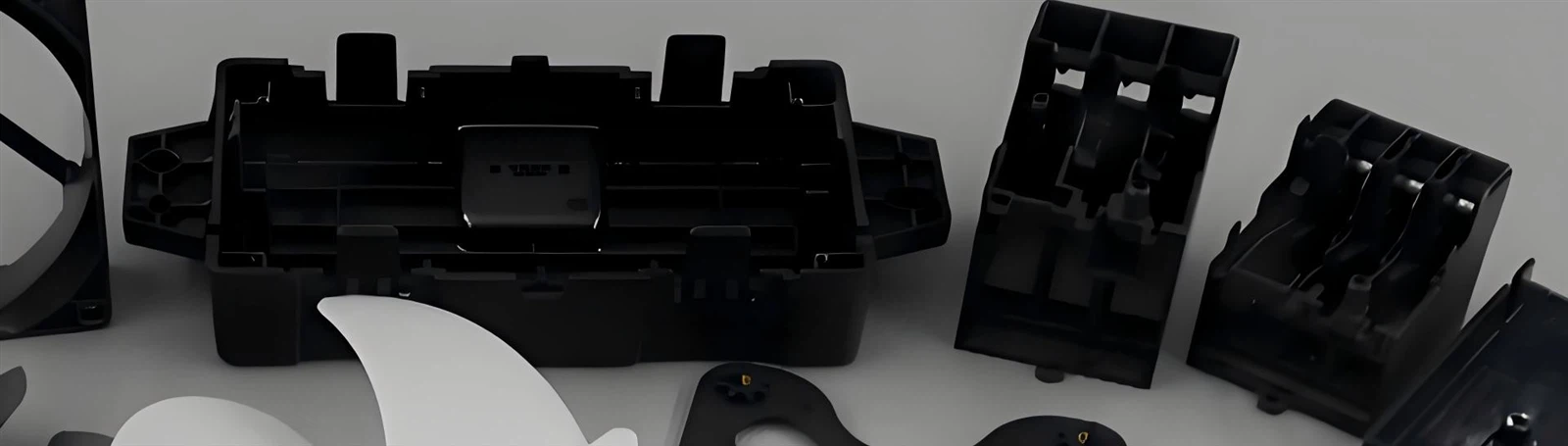
The injection molding mold stands as the cornerstone of modern electronic product manufacturing, revolutionizing how we produce everything from smartphone casings to complex computer components. In the rapidly evolving electronics industry, the precision and efficiency offered by injection molding mold technology have become indispensable for meeting the demanding requirements of miniaturization, durability, and cost-effectiveness.
Fundamentals of Injection Molding Mold Technology in Electronics
An injection molding mold represents a precision-engineered tool specifically designed to shape molten plastic materials into predetermined forms through high-pressure injection processes. In electronic products manufacturing, these sophisticated tools must meet extraordinary tolerances, often within microns, to ensure proper fit and function of delicate electronic components.
The injection molding mold serves as the negative cavity that defines the final product's geometry, surface texture, and dimensional accuracy.
The significance of injection molding mold technology in electronics cannot be overstated. Modern electronic devices require housings that provide electromagnetic interference (EMI) shielding, heat dissipation capabilities, and structural integrity while maintaining aesthetic appeal. Each injection molding mold must be meticulously designed to accommodate these multifaceted requirements while ensuring consistent production quality across millions of units.
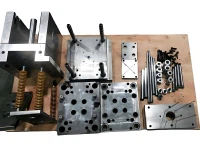
Key Characteristics of Electronic Molds
Micron-level tolerances for precise component fitting
Specialized cooling systems for consistent production
EMI/RFI shielding integration capabilities
Durable construction for high-volume production
Complex geometry accommodation for miniaturized parts
Materials Selection for Electronic Product Molds
Primary Mold Materials
The selection of materials for constructing an injection molding mold depends heavily on production volume, part complexity, and required precision. For electronic products, the most commonly employed materials include:
Tool Steel Classifications
P20 Steel: Pre-hardened chrome-moly steel offering excellent machinability and moderate wear resistance, ideal for medium-volume production runs
H13 Steel: Hot-work tool steel providing superior thermal fatigue resistance, essential for high-temperature engineering plastics
S7 Steel: Shock-resistant tool steel utilized for complex geometries requiring high impact strength
420 Stainless Steel: Corrosion-resistant option for molds processing chemically aggressive materials
Advanced Materials
Beryllium Copper Alloys: Exceptional thermal conductivity (up to 390 W/mK) enables rapid cooling cycles, reducing production time for heat-sensitive electronic components
Aluminum Alloys (7075, QC-10): Lightweight alternatives offering faster machining and reduced lead times for prototype injection molding mold development

Plastic Materials for Electronic Products
The injection molding mold must be compatible with various thermoplastic materials specifically chosen for electronic applications:
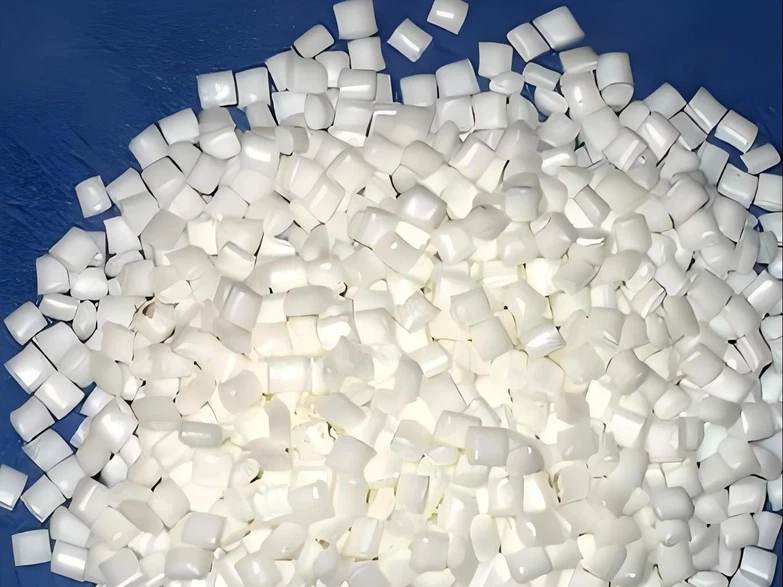
Engineering Thermoplastics
Polycarbonate (PC): Impact resistance and optical clarity for display windows and protective covers
Acrylonitrile Butadiene Styrene (ABS): Balanced mechanical properties and excellent surface finish for housings
PC/ABS Blends: Combining the best properties of both materials for premium electronic enclosures
Polyamide (Nylon): Chemical resistance and dimensional stability for connector housings
Polyoxymethylene (POM): Low friction and high stiffness for mechanical components
High-Performance Polymers
Liquid Crystal Polymers (LCP): Ultra-low moisture absorption and excellent dimensional stability for miniaturized connectors
Polyetheretherketone (PEEK): Exceptional chemical resistance and high-temperature performance for specialized applications
Polyphenylene Sulfide (PPS): Flame retardancy and chemical resistance for automotive electronics
Production Process: From Design to Final Product
Phase 1: Design and Engineering
The creation of an injection molding mold begins with comprehensive design analysis using advanced CAD/CAM software. Engineers employ sophisticated simulation tools including Moldflow analysis to predict material flow patterns, identify potential defects, and optimize gate locations.
The injection molding mold design must incorporate:
Part Design Optimization: Wall thickness uniformity (typically 1-4mm for electronic products), draft angles (0.5-3 degrees), and radii specifications
Gating System Design: Determining optimal gate types (submarine, hot runner, edge gates) based on part geometry and material characteristics
Cooling System Architecture: Conformal cooling channels designed to maintain uniform temperature distribution throughout the injection molding mold
Venting Strategy: Micro-venting channels (0.01-0.03mm depth) to prevent air entrapment and burn marks

Phase 2: Mold Manufacturing
The physical construction of an injection molding mold involves multiple precision manufacturing processes:
CNC Machining Operations
Rough machining removes bulk material using high-speed milling strategies
Semi-finishing operations achieve near-net shape with tolerances of ±0.05mm
Finish machining delivers surface roughness values of Ra 0.1-0.4 μm
High-speed machining (HSM) techniques enable complex geometries while maintaining surface quality
Electrical Discharge Machining (EDM)
Wire EDM creates through-holes and complex profiles with tolerances of ±0.005mm
Sinker EDM produces intricate cavity details and sharp internal corners impossible with conventional machining
Surface Treatment and Finishing
Polishing grades from SPI A-1 (mirror finish) to D-3 (dry blast) depending on product requirements
Chrome plating or nickel plating for enhanced wear resistance and corrosion protection
Texture application through chemical etching or laser texturing for aesthetic and functional purposes

Phase 3: Injection Molding Process Parameters
The actual injection molding process using the injection molding mold involves precisely controlled parameters:
Plasticization Phase
Screw rotation speed: 50-150 RPM
Back pressure: 50-200 bar
Barrel temperature profile customized for specific materials (typically 200-350°C for engineering plastics)
Injection Phase
Injection pressure: 500-2000 bar depending on part geometry and material viscosity
Injection speed profiling: Multi-stage velocity control optimizing flow front advancement
Cavity pressure monitoring ensuring complete filling without overpacking
Packing, Cooling & Ejection Phases
Packing pressure: 30-80% of injection pressure
Cooling time determination using heat transfer calculations
Ejector pin placement avoiding visible marks on aesthetic surfaces

Quality Control and Testing Procedures
Maintaining consistent quality in electronic products manufactured using an injection molding mold requires rigorous testing protocols:
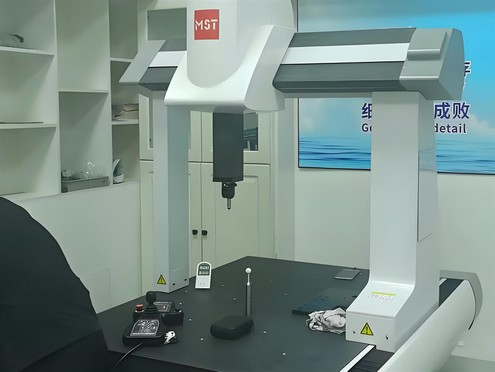
Dimensional Verification
Coordinate Measuring Machine (CMM) inspection ensuring adherence to GD&T specifications
Optical measurement systems for non-contact inspection of delicate features
Statistical Process Control (SPC) monitoring critical dimensions throughout production runs

Material Testing
Differential Scanning Calorimetry (DSC) confirming polymer thermal properties
Thermogravimetric Analysis (TGA) verifying filler content and thermal stability
Melt Flow Index (MFI) testing ensuring material processability consistency

Functional Testing
Environmental stress testing including thermal cycling (-40°C to +85°C)
Drop testing and impact resistance evaluation
EMI/RFI shielding effectiveness measurement
Flammability testing per UL94 standards
Advanced Technologies in Injection Molding Mold Design

Multi-Component Molding
Modern injection molding mold technology enables production of multi-material electronic components through:
Two-shot molding combining rigid and flexible materials
Overmolding for integrated sealing and cushioning
Insert molding incorporating metal components directly into plastic parts

Micro-Injection Molding
For miniaturized electronic components, specialized injection molding mold designs accommodate:
Features with dimensions below 100 micrometers
Aspect ratios exceeding 100:1
Surface roughness values below Ra 0.05 μm

Smart Mold Technologies
Integration of Industry 4.0 concepts into injection molding mold systems:
Cavity pressure sensors providing real-time process monitoring
Temperature sensors enabling adaptive cooling strategies
RFID tags tracking mold maintenance history and production statistics
Maintenance and Lifecycle Management
Proper maintenance of an injection molding mold ensures consistent production quality and extends operational lifespan:
Preventive Maintenance Schedule
Daily
Visual inspection and cleaning of mold surfaces
Weekly
Lubrication of moving components and ejector systems
Monthly
Comprehensive inspection of cooling channels and hot runner systems
Quarterly
Detailed measurement of cavity dimensions and surface finish
Annually
Complete mold refurbishment including re-plating and polishing
Troubleshooting Common Issues
The injection molding mold may experience various challenges during production:
Flash formation:
Indicates worn parting line surfaces requiring refurbishment
Short shots:
Suggests inadequate venting or gate restrictions
Burn marks:
Points to excessive injection speed or insufficient venting
Warpage:
Indicates non-uniform cooling requiring cooling system optimization
Economic Considerations
Investment in an injection molding mold represents a significant capital expenditure requiring careful economic analysis:
Cost Factors
Initial mold cost ranging from $10,000 for simple designs to over $500,000 for complex multi-cavity tools
Material selection impact: Aluminum molds cost 30-50% less than steel but offer shorter lifespan
Complexity drivers: Each additional cavity in an injection molding mold increases cost by approximately 70-90% of single-cavity cost
Lead time considerations: Standard delivery 8-16 weeks, expedited options available at premium rates
Return on Investment Optimization
Break-even Analysis
Careful calculation considering production volumes and part costs to determine optimal mold investment strategy
Total Cost of Ownership (TCO)
Comprehensive evaluation including maintenance, energy consumption, and replacement costs over the mold's lifespan
Energy Efficiency
Improvements through optimized injection molding mold design reducing cycle times and resource consumption
"The most expensive injection molding mold isn't always the one with the highest initial cost, but often the one that fails to meet production requirements or requires excessive maintenance."
Future Trends and Innovations
The evolution of injection molding mold technology continues advancing electronic product manufacturing capabilities:

Sustainable Manufacturing
• Bio-based polymer compatibility requiring modified injection molding mold designs
• Recycled material processing considerations
• Energy-efficient cooling systems reducing environmental impact
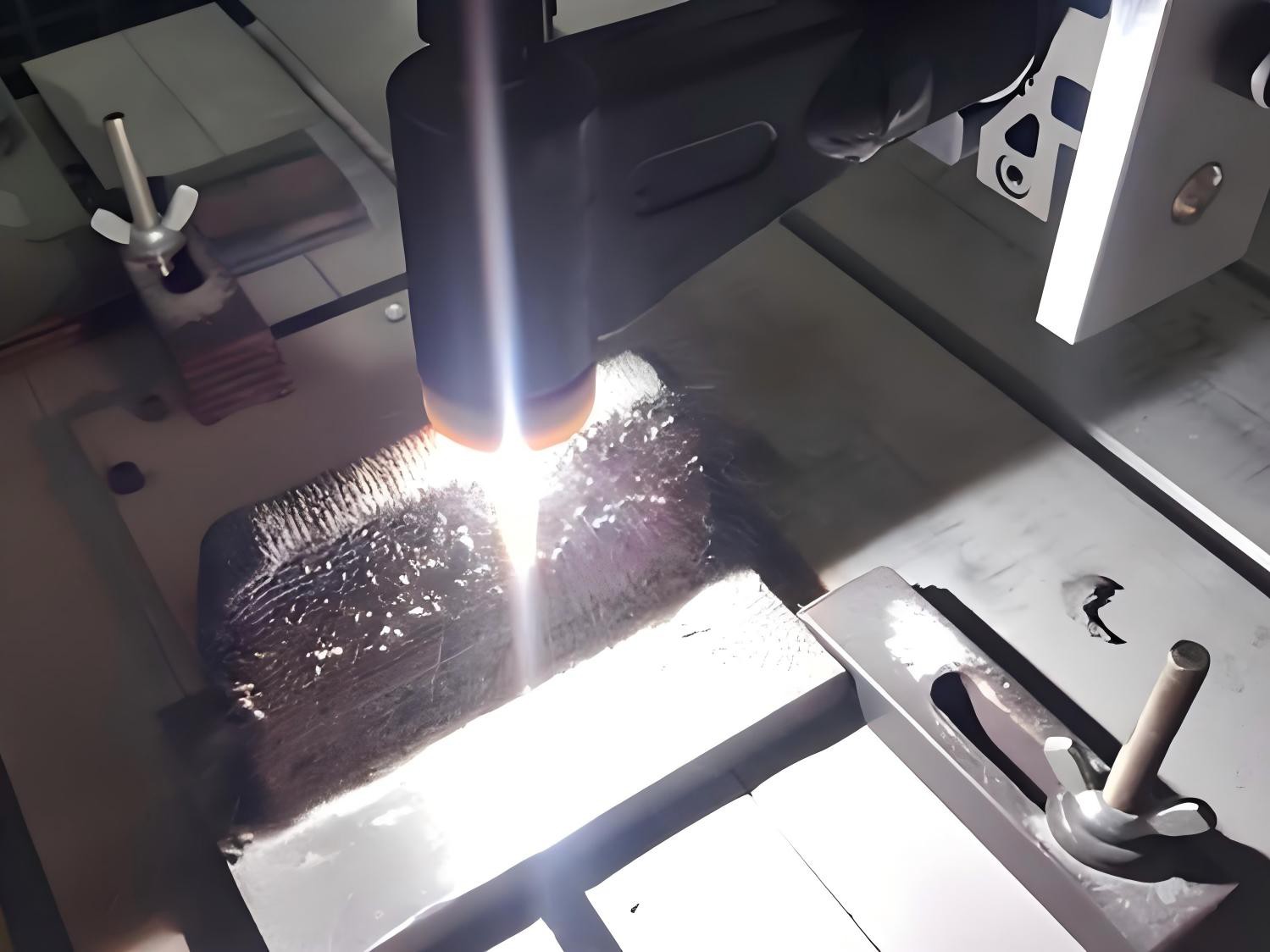
Additive Manufacturing Integration
• 3D-printed conformal cooling channels improving thermal management
• Rapid prototyping of injection molding mold inserts accelerating development cycles
• Hybrid manufacturing combining additive and subtractive processes

Artificial Intelligence Applications
• Machine learning algorithms optimizing injection molding mold design parameters
• Predictive maintenance systems anticipating mold failures
• Automated quality inspection using computer vision systems
Conclusion
The injection molding mold remains fundamental to electronic product manufacturing, enabling mass production of complex components with exceptional precision and consistency. As electronic devices continue evolving toward greater miniaturization and functionality, the demands placed upon injection molding mold technology intensify correspondingly. Success in this field requires comprehensive understanding of materials science, manufacturing processes, and quality control methodologies.
The future of injection molding mold technology in electronics manufacturing appears exceptionally promising, with ongoing innovations in materials, design software, and processing techniques continually expanding production capabilities. Manufacturers investing in advanced injection molding mold technologies position themselves advantageously for meeting tomorrow's electronic product challenges while maintaining competitive production costs and superior quality standards.
Through careful selection of mold materials, optimization of processing parameters, and implementation of rigorous quality control procedures, the injection molding mold serves as the foundation for producing billions of electronic components annually. This remarkable technology continues enabling the electronic innovations that define our modern digital world, from the smallest sensor housings to the largest display bezels, each bearing testament to the precision and reliability of injection molding mold manufacturing
ABIS Mold Technology Co., Ltd. is one of the most famous electronic products manufacturers and suppliers in Shenzhen, China. Welcome to wholesale high quality electronic products from our factory.
switch injection mold, plastic injection mould for Mobile Headstock, mold of electronic part