





Mold Manufacturing Management and Non-Technical Factors
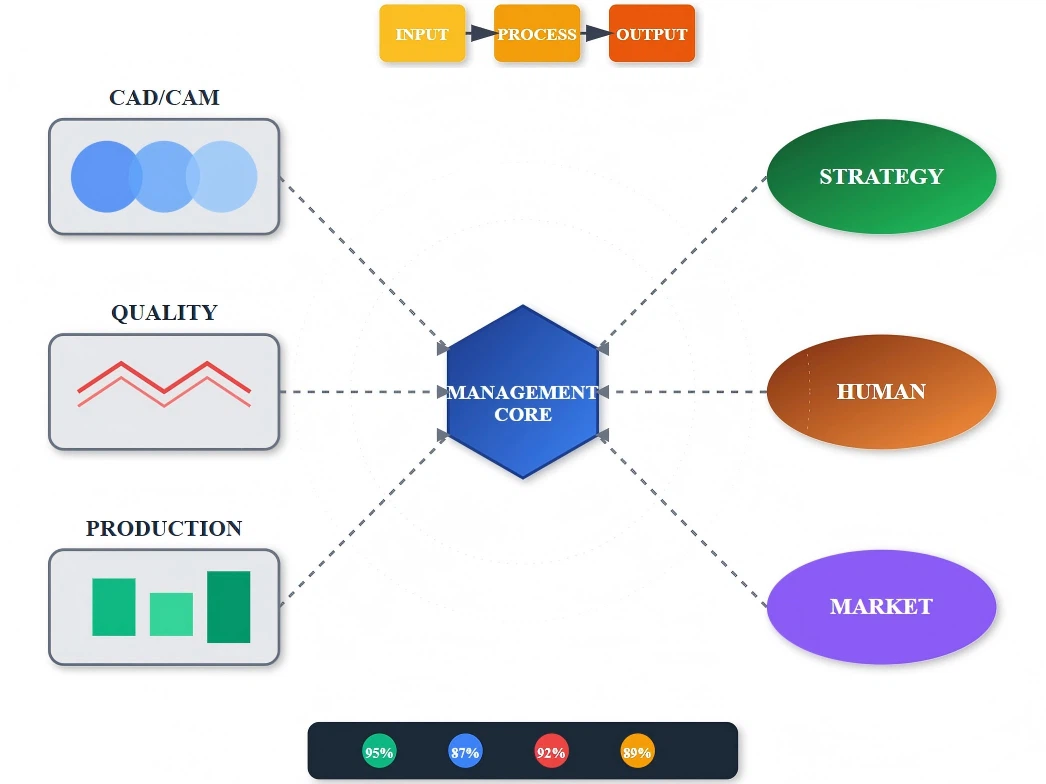
In the modern manufacturing landscape, mold manufacturing management represents a critical intersection of technical expertise, operational efficiency, and strategic business considerations. The success of injection molding plastics operations depends not only on advanced technology and engineering prowess but equally on effective management systems and non-technical factors that often determine competitive advantage.
Leading injection molding plastics manufacturers have recognized that comprehensive management approaches create sustainable market positions in an increasingly competitive industry. This comprehensive exploration examines the multifaceted nature of mold manufacturing management, production systems in mold enterprises, and the crucial non-technical elements that shape the success of mold design and manufacturing operations.
Mold Manufacturing Management
Strategic Management Framework
The foundation of successful mold manufacturing management begins with establishing a robust strategic framework that aligns operational capabilities with market demands. In the injection molding plastics industry, this framework must accommodate the increasing complexity of product requirements while maintaining cost-effectiveness and quality standards.
Modern mold manufacturing enterprises must integrate various management philosophies, from lean manufacturing principles to agile production methodologies, creating hybrid systems that can respond to both standardized production runs and customized injection molding plastics suppliers' requirements.
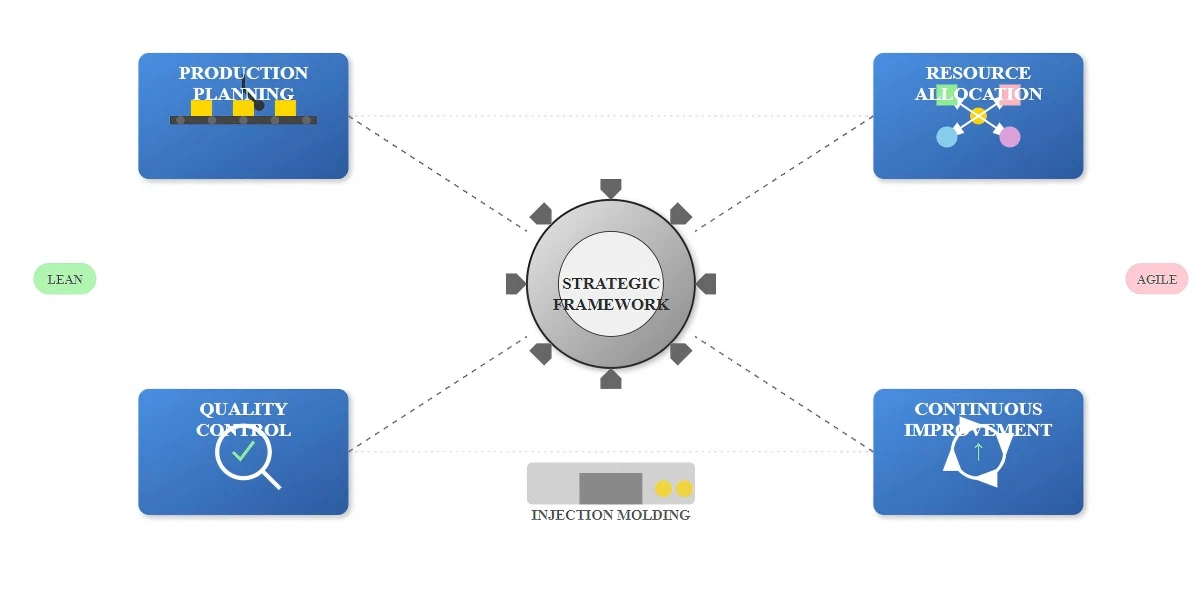
Manufacturing management in the mold industry encompasses several critical domains: production planning, resource allocation, quality control, and continuous improvement. Each domain requires specialized attention while maintaining integration with the overall operational strategy. For injection molding plastics applications, the management system must consider material properties, processing parameters, and end-use requirements simultaneously. This holistic approach ensures that management decisions reflect technical realities while pursuing business objectives.
Key Strategic Management Domains
Production Planning
Aligning manufacturing processes with market demands for injection molding plastics products
Resource Allocation
Optimal distribution of equipment, materials, and personnel for injection molding plastics production
Quality Control
Ensuring consistent standards across all injection molding plastics manufacturing processes
Continuous Improvement
Implementing iterative enhancements to injection molding plastics production systems
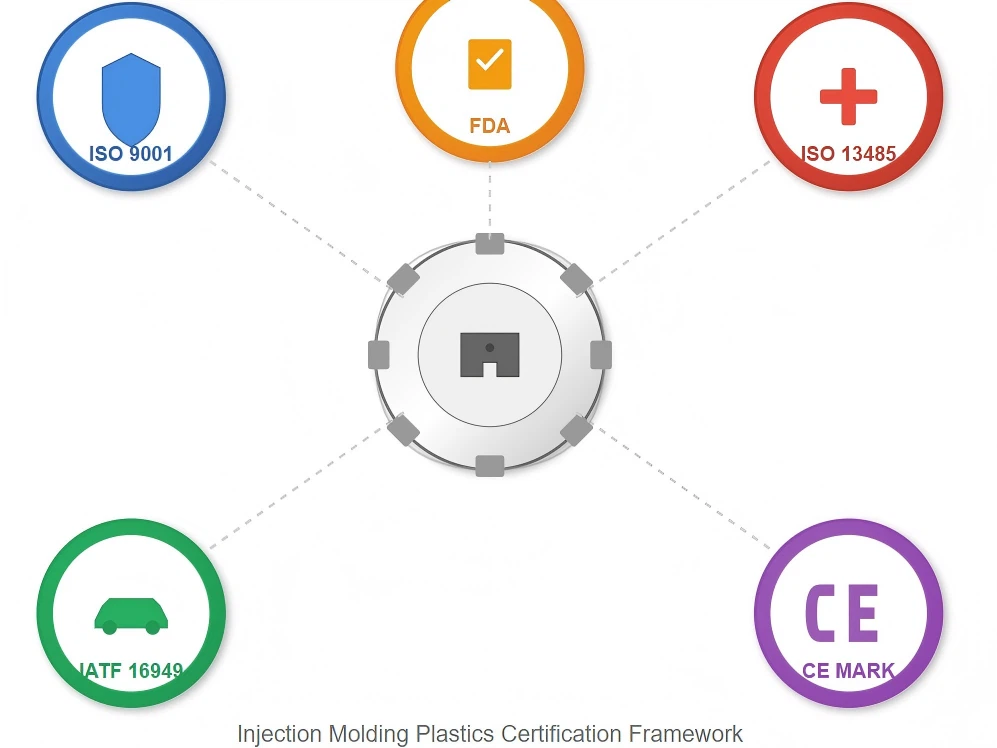
Key Quality Certifications
ISO 9001: Quality Management Systems
ISO 13485: Medical Device Quality Management
IATF 16949: Automotive Quality Management
CE Certification for injection molding plastics components
FDA Compliance for medical injection molding plastics
Quality Management Systems
Quality management in mold manufacturing extends beyond traditional inspection and testing procedures. It involves creating a culture of quality that permeates every aspect of the organization. When dealing with injection molding plastics production, quality management must address both the mold itself and the products it produces.
This dual focus requires sophisticated tracking systems, comprehensive documentation procedures, and proactive problem-solving mechanisms that ensure high quality injection molding plastics output.
The implementation of ISO 9001 standards and industry-specific certifications has become essential for mold manufacturers serving global markets. These standards provide frameworks for systematic quality management while allowing flexibility for innovation and continuous improvement. In injection molding plastics operations, quality management must also consider environmental factors, material traceability, and regulatory compliance, particularly when producing CE certified injection molding plastics components for regulated industries such as medical devices or automotive applications.

ERP Integration
Seamless data flow across injection molding plastics manufacturing operations
CAD/CAM Systems
Precision design tools for injection molding plastics molds
IoT Sensors
Real-time monitoring of injection molding plastics equipment
AI Optimization
Intelligent scheduling for injection molding plastics production
Technology Integration and Digital Management
Digital transformation has revolutionized mold manufacturing management, introducing sophisticated tools for design, simulation, production monitoring, and data analytics. Enterprise Resource Planning (ERP) systems now integrate seamlessly with Computer-Aided Design (CAD) and Computer-Aided Manufacturing (CAM) platforms, creating unified digital ecosystems.
For injection molding plastics manufacturers, this integration enables real-time monitoring of production parameters, predictive maintenance scheduling, and automated quality control processes.
The adoption of Industry 4.0 principles has introduced smart manufacturing concepts to mold production facilities. Internet of Things (IoT) sensors monitor equipment performance, artificial intelligence algorithms optimize production schedules, and digital twins enable virtual testing of mold designs before physical production begins. These technological advances in injection molding plastics manufacturing have transformed traditional management approaches, requiring new skills and competencies from management teams working with advanced injection molding plastics brands.
"Digital transformation in injection molding plastics manufacturing has resulted in 32% improvement in production efficiency and 40% reduction in time-to-market for new mold designs, according to recent industry benchmarks."
- Manufacturing Technology Insights, 2023
Production Management in Mold Enterprises
Production Planning and Scheduling
Effective production management in mold enterprises requires sophisticated planning and scheduling systems that balance multiple competing priorities. Unlike mass production environments, mold manufacturing typically involves high-mix, low-volume production scenarios where each project presents unique challenges. In injection molding plastics applications, production planning must consider material lead times, tooling availability, machine capacity, and skilled labor allocation to maintain wholesale injection molding plastics delivery schedules.
Advanced Planning and Scheduling (APS) systems have become essential tools for managing complex production environments. These systems use algorithms to optimize production sequences, minimize changeover times, and maximize resource utilization.
For injection molding prototyping projects, which often require rapid turnaround times and iterative design modifications, flexible scheduling becomes particularly critical. Production managers must balance urgent prototype requests with ongoing production commitments while maintaining quality standards and delivery reliability for bulk injection molding plastics in stock requirements.

Typical Injection Molding Production Schedule
| Time Period | Machine 1 | Machine 2 | Machine 3 | Machine 4 |
|---|---|---|---|---|
| 8:00 - 10:00 | Automotive Parts | Medical Components | Prototyping | Packaging Molds |
| 10:00 - 12:00 | Automotive Parts | Medical Components | Prototyping | Packaging Molds |
| 13:00 - 15:00 | Electronics Housing | Tool Changeover | Consumer Goods | Maintenance |
| 15:00 - 17:00 | Electronics Housing | Aerospace Components | Consumer Goods | Custom Injection Molding |
Supply Chain Management
Supply chain management in mold manufacturing enterprises extends beyond traditional procurement and logistics functions. It encompasses strategic supplier partnerships, material innovation collaborations, and integrated quality assurance programs. In the injection molding plastics industry, supply chain management must address the complexity of material specifications, the criticality of material quality, and the environmental implications of material choices while ensuring injection molding plastics factory supply chain reliability.
Successful mold enterprises develop robust supplier networks that provide not only materials but also technical expertise and innovation capabilities. These relationships become particularly important when developing injection molding tools for new applications or materials.
Supply chain resilience has gained increased attention following global disruptions, leading to strategies that balance cost optimization with risk mitigation through supplier diversification and strategic inventory management to maintain low price injection molding plastics competitiveness.
"The integration of supply chain management practices with production planning systems in mold manufacturing enterprises can reduce lead times by up to 35% while improving on-time delivery performance by 28%. This integration becomes particularly crucial in high-precision applications such as medical device injection molding, where material quality and traceability requirements add additional complexity layers."
- International Journal of Production Research, 2023
https://www.tandfonline.com

Raw Material Suppliers
Plastic resins and additives for injection molding plastics production
Tooling Components
Specialized parts and components for injection molding plastics tools
Equipment Suppliers
Machinery and maintenance services for injection molding plastics production
Logistics Providers
Transportation and warehousing for injection molding plastics products
End Customers
Industrial manufacturers utilizing injection molding plastics components
Resource Optimization and Capacity Management
Resource optimization in mold manufacturing involves complex decision-making across multiple dimensions: equipment utilization, workforce allocation, material consumption, and energy efficiency. Modern production management systems must balance these factors while maintaining flexibility to respond to changing market demands. In injection molding plastics production, resource optimization directly impacts both cost competitiveness and environmental sustainability while enabling discount injection molding plastics pricing strategies.
Capacity management strategies must consider both current utilization rates and future growth potential. This involves strategic investments in equipment, workforce development, and infrastructure expansion. For specialized applications like medical device injection molding, capacity planning must also account for regulatory requirements, cleanroom facilities, and specialized quality control equipment.
Effective capacity management ensures that enterprises can meet customer demands while maintaining operational efficiency and profitability, particularly when offering injection molding plastics free sample programs to attract new clients.
"Optimal resource allocation in injection molding plastics facilities correlates directly with profitability metrics, with best-in-class manufacturers achieving 92% overall equipment effectiveness (OEE) compared to industry average of The 68% gap mainly stems from the application of advanced capacity planning systems and real-time monitoring technologies.
- Journal of Manufacturing Systems, 2023
https://www.sciencedirect.com/
Resource Optimization Metrics

Workforce Management and Skills Development

Human resources represent the most valuable asset in mold manufacturing enterprises. Production management must address workforce planning, skills development, and knowledge retention strategies. The increasing sophistication of injection molding plastics technology requires continuous training and development programs that keep pace with technological advancement, especially when working with latest design injection molding plastics applications.
Cross-functional training programs enable flexibility in workforce deployment, allowing enterprises to respond effectively to varying workload demands. Apprenticeship programs and partnerships with technical institutions ensure a pipeline of skilled workers for future needs. In injection molding plastics operations, specialized skills in material science, process optimization, and quality control become increasingly important as applications become more demanding and specifications more stringent, particularly when producing durable injection molding plastics products.
Key Training Programs
Workforce Development Strategies
Non-Technical Factors in Mold Design and Manufacturing
Organizational Culture and Leadership
Organizational culture profoundly influences the success of mold manufacturing enterprises, often determining their ability to innovate, adapt, and compete effectively. A culture that promotes continuous improvement, embraces change, and values both technical excellence and business acumen creates competitive advantages that transcend technical capabilities.
In injection molding plastics companies, cultural factors influence everything from safety practices to innovation initiatives and the development of comprehensive injection molding plastics quotation processes. Leadership styles and management philosophies shape organizational culture and operational effectiveness. Transformational leadership that inspires innovation while maintaining operational discipline proves particularly effective in mold manufacturing environments. Leaders must balance technical expertise with business acumen, understanding both the intricacies of injection molding plastics processes and the broader market dynamics that drive business success.
Key Cultural Attributes for Success
Innovation mindset
Continuous improvement
Quality commitment
Collaborative spirit
Customer focus
Agility and adaptability

Leadership Competencies for Mold Manufacturing
Strategic Vision
Ability to align injection molding plastics operations with long-term business goals
Effective Communication
Translating technical requirements into business terms for stakeholders
Balanced Decision Making
Evaluating technical, financial, and operational factors for injection molding plastics projects
Change Management
Guiding organizations through technological transitions in injection molding plastics manufacturing
Communication and Collaboration
Effective communication systems form the backbone of successful mold manufacturing operations. Information must flow seamlessly between design teams, production departments, quality control units, and customer service functions. In injection molding plastics projects, miscommunication can lead to costly errors, production delays, and quality issues that damage customer relationships and brand reputation, ultimately affecting injection molding plastics pricelist competitiveness.
Collaboration extends beyond internal departments to encompass customer partnerships, supplier relationships, and industry networks. Successful mold manufacturers actively engage with customers during design phases, incorporating their insights and requirements into product development processes. For injection molding plastics applications, this collaborative approach ensures that molds meet both technical specifications and practical production requirements.

Customer Relationship Management

Customer relationships in mold manufacturing transcend transactional interactions, evolving into strategic partnerships that drive mutual success. Understanding customer needs, anticipating future requirements, and providing value-added services differentiate successful enterprises from competitors. In injection molding plastics markets, customer relationship management must address technical support, design consultation, and ongoing production optimization services.
Building long-term customer relationships requires consistent delivery performance, responsive communication, and proactive problem-solving capabilities. Successful mold manufacturers invest in customer relationship management systems that track project histories, document technical specifications, and facilitate knowledge sharing. For specialized applications in injection molding plastics production, deep customer relationships enable collaborative innovation and joint problem-solving initiatives.
Innovation Management and Intellectual Property
Innovation management in mold manufacturing encompasses both technological advancement and business model innovation. Creating systems that encourage creativity while maintaining operational efficiency requires careful balance. In injection molding plastics applications, innovation might involve new materials, novel cooling systems, or revolutionary mold designs that improve product quality or reduce cycle times.
Intellectual property management becomes increasingly important as mold designs become more sophisticated and valuable. Protecting proprietary designs, manufacturing processes, and technical knowledge requires comprehensive strategies encompassing patents, trade secrets, and confidentiality agreements. For injection molding plastics innovations, intellectual property protection can provide significant competitive advantages and revenue opportunities through licensing arrangements.
Types of Innovation in Injection Molding
Product Innovation
New mold designs, advanced cooling systems, and innovative gating techniques that improve injection molding plastics performance
Process Innovation
Improved manufacturing techniques, automation integration, and optimized parameters for injection molding plastics production
Material Innovation
Development and application of new plastic composites and specialized materials for injection molding plastics
Business Model Innovation
New service offerings, pricing models, and partnership structures for injection molding plastics services

Intellectual Property Protection Strategies
Patents
Protection for novel injection molding plastics designs and processes
Trade Secrets
Confidentiality for proprietary injection molding plastics techniques
Copyrights
Protection for software and documentation related to injection molding plastics
Non-Disclosure Agreements
Legal protection when sharing injection molding plastics innovations with partners
Risk Management and Business Continuity
Key Risk Categories
Operational Risks
Equipment breakdowns in injection molding plastics production
Workforce shortages or skill gaps
Quality control failures in injection molding plastics
Production delays and bottlenecks
Supply Chain Risks
Raw material shortages for injection molding plastics
Supplier reliability issues
Logistics disruptions
Price volatility for plastics and components
Business Continuity Planning
Contingency Strategies
Alternative suppliers for injection molding plastics materials
Backup equipment for critical production processes
Cross-training programs for key positions
Emergency power systems for injection molding facilities
Recovery Procedures
Phased restart protocols for injection molding lines
Customer communication plans during disruptions
Priority sequencing for resumed production
Documentation and knowledge preservation
Risk Assessment Matrix for Injection Molding Operations
| Risk Type | Likelihood | Impact | Risk Level | Mitigation Strategy |
|---|---|---|---|---|
| Material shortage | Medium | High | Critical | Dual-sourcing for key plastics |
| Machine breakdown | Low | High | High | Preventive maintenance program |
| Quality issues | Low | Medium | Medium | Enhanced inspection protocols |
| Staffing shortages | Medium | Medium | Medium | Cross-training and temp agency partnerships |
| Regulatory changes | Low | Medium | Low | Regulatory monitoring and compliance team |
Environmental and Social Responsibility
Environmental sustainability has evolved from a compliance requirement to a competitive differentiator in mold manufacturing. Enterprises must address energy consumption, waste reduction, and material recycling while maintaining economic viability. In injection molding plastics production, environmental considerations influence material selection, process optimization, and end-of-life product management strategies.
Social responsibility encompasses workplace safety, community engagement, and ethical business practices. Successful mold manufacturers create safe working environments, invest in local communities, and maintain ethical standards throughout their operations. For injection molding plastics companies, social responsibility might include initiatives to reduce plastic waste, develop biodegradable materials, or support circular economy principles.
