





Advanced Manufacturing Technologies in Modern Battery Production
From Precision Machining to Innovative Molding Solutions

The evolution of battery technology has transformed our daily lives, powering everything from smartphones to electric vehicles. While lithium-ion batteries dominate headlines, the world of "other batteries" encompasses a fascinating array of power storage solutions, each requiring sophisticated manufacturing processes. This comprehensive exploration delves into how advanced manufacturing techniques, including CNC engraving, chemical etching, polishing, sandblasting, electrochemical machining, rapid prototyping, and high-speed processing, revolutionize the production of alternative battery technologies.
Understanding the Landscape of Alternative Battery Technologies
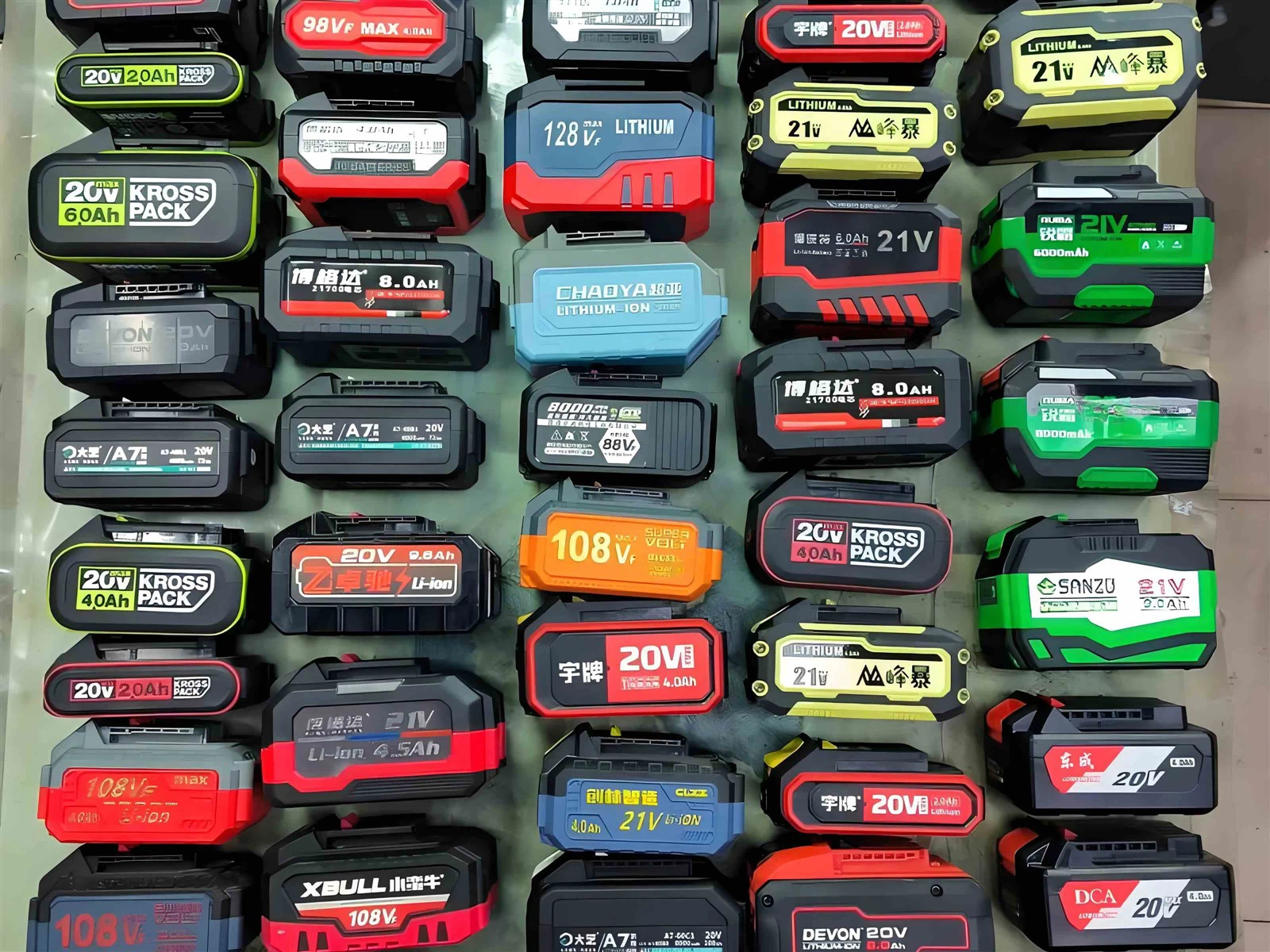
Beyond conventional lithium-ion cells, the battery industry encompasses numerous specialized power sources. Alkaline batteries, nickel-metal hydride (NiMH) cells, zinc-air batteries, solid-state batteries, flow batteries, and sodium-ion batteries each serve unique applications. The manufacturing of these diverse battery types requires precision engineering, where injection molding mold design plays a crucial role in creating battery casings, separators, and structural components that ensure optimal performance and safety.
The production of alternative batteries demands exceptional precision in component manufacturing. Modern injection mold companies have developed specialized capabilities to meet these stringent requirements, creating intricate battery housings that must withstand chemical exposure, temperature fluctuations, and mechanical stress while maintaining perfect dimensional accuracy. The expertise in injection molding mold design ensures that even the most complex battery components can be produced with consistent quality and performance.
CNC Engraving: Precision at the Microscale
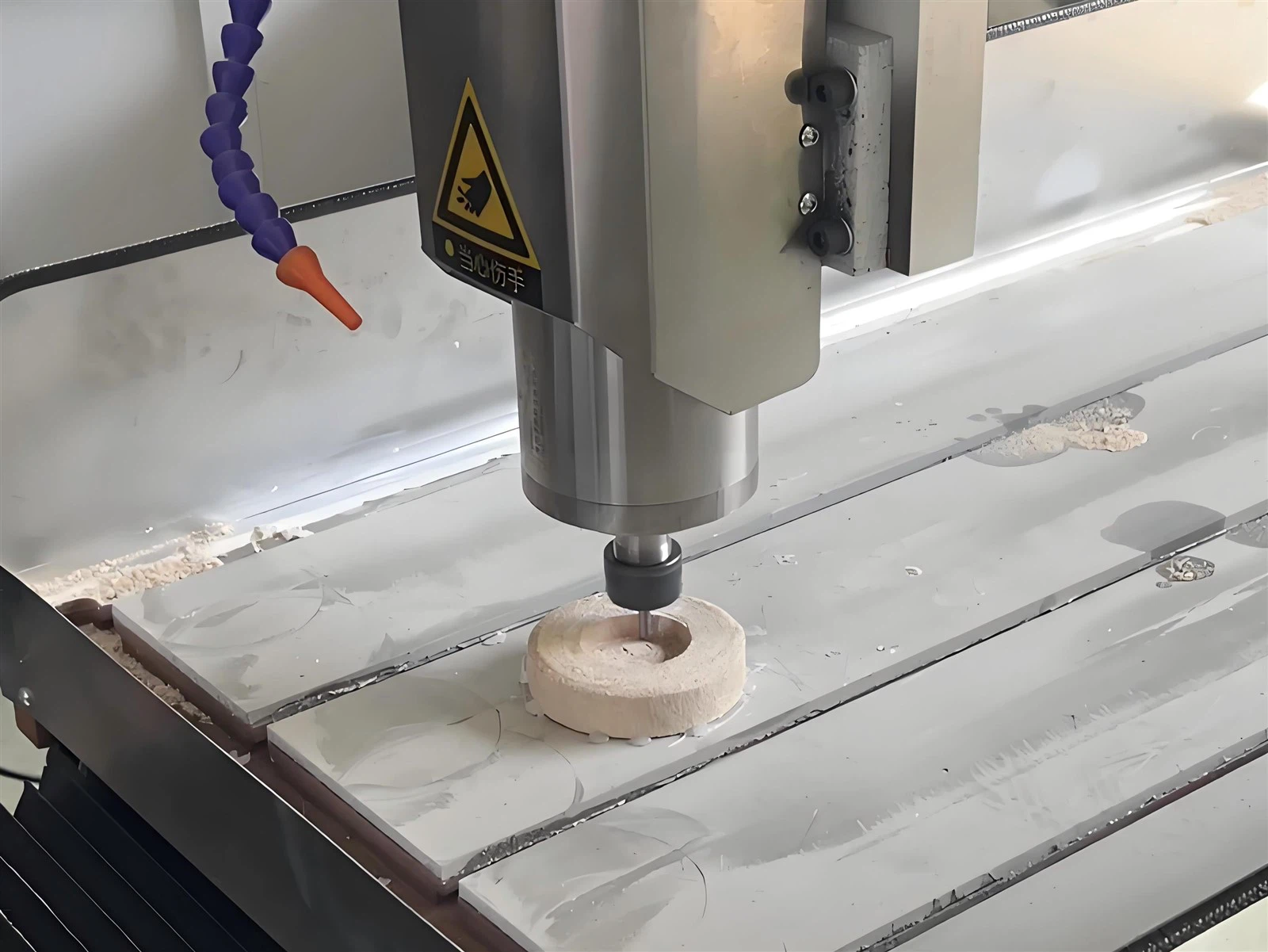
CNC engraving technology has revolutionized battery electrode production and current collector fabrication. This computer-controlled process enables manufacturers to create intricate patterns on metal substrates with micrometer precision. In zinc-air battery production, CNC engraving creates optimized air channels that enhance oxygen diffusion, directly impacting battery performance. The technique also proves invaluable in prototype development, where rapid design iterations are essential.
The integration of CNC engraving with injection molding mold design has opened new possibilities in battery manufacturing. Engineers can now create molds with micro-textured surfaces that improve electrolyte flow patterns within battery cells. These advanced molds, produced through injection plastic molding processes, enable the creation of battery components with enhanced surface areas, leading to improved energy density and charging rates. The synergy between CNC engraving and injection molding mold design has resulted in battery components that were previously impossible to manufacture.
Chemical Etching: Crafting Conductive Pathways
Chemical etching processes have become indispensable in battery manufacturing, particularly for creating precise conductive pathways and electrode patterns. This technique uses controlled chemical reactions to selectively remove material, creating intricate designs impossible to achieve through mechanical methods. In solid-state battery production, chemical etching creates nanoscale features that optimize ion transport between electrodes.
The process begins with applying photoresist materials to metal substrates, followed by exposure to specific chemical solutions. The resulting patterns form the backbone of battery current collectors, with tolerances measured in nanometers. Modern injection molding mold design incorporates chemically etched inserts that create micro-features in battery separators, enhancing ionic conductivity while preventing short circuits. This integration of chemical etching with injection molding mold design has pushed the boundaries of what's possible in battery component manufacturing.


Polishing Processes: Achieving Optimal Surface Quality
Surface quality critically impacts battery performance, making polishing processes essential in manufacturing. Electrochemical polishing, mechanical polishing, and chemical-mechanical polishing each serve specific purposes in battery production. For flow batteries, polished electrode surfaces minimize unwanted reactions and improve energy efficiency. The process removes microscopic imperfections that could serve as nucleation sites for dendrite formation, a common cause of battery failure.
Advanced polishing techniques have evolved alongside medical injection molding standards, where surface finish requirements are exceptionally stringent. Battery manufacturers have adopted these high standards, recognizing that smoother surfaces lead to more predictable electrochemical behavior and extended battery life. The correlation between surface quality and battery performance has driven continuous improvements in polishing technology, which in turn influences injection molding mold design to ensure that molded components meet these exacting surface requirements from the start.
Sandblasting: Creating Optimal Surface Textures
Sandblasting treatment provides controlled surface roughening that enhances adhesion between battery components. This process proves particularly valuable in preparing metal substrates for coating applications. In alkaline battery production, sandblasted zinc anodes exhibit improved discharge characteristics due to increased surface area. The technique also prepares plastic battery casings for better adhesion of protective coatings and labels.
The precision required in modern sandblasting operations rivals that of injection molding mold design specifications. Manufacturers must carefully control particle size, pressure, and exposure time to achieve consistent results. This attention to detail ensures that every battery component meets exact specifications for surface roughness and texture, contributing to reliable battery performance. When combined with advanced injection molding mold design, sandblasting creates components that perfectly interface with each other, reducing resistance and improving overall battery efficiency.


Electrochemical Machining: Shaping the Future
Electrochemical machining (ECM) represents a breakthrough in manufacturing complex battery components without mechanical stress or heat-affected zones. This process uses electrical current to remove material through controlled dissolution, enabling the creation of intricate three-dimensional structures. In NiMH battery production, ECM creates optimized nickel foam structures that maximize active material utilization.
The technology has found particular success in producing injection mold tooling for battery components. ECM can create cooling channels and complex geometries within molds that would be impossible to achieve through conventional machining. These advanced molds enable the production of battery casings with integrated thermal management features, crucial for maintaining optimal operating temperatures. The precision of ECM complements the exacting requirements of injection molding mold design, resulting in tools that can produce complex battery components with exceptional accuracy and consistency.
Advanced Manufacturing Technologies in Action

Rapid Prototyping
Accelerating innovation cycles through 3D printing and additive manufacturing, seamlessly integrated with injection molding mold design for rapid transition to production.

High-Speed Processing
Meeting surging market demands with advanced production lines that require sophisticated injection molding mold design to maintain quality at scale.

Integrated Systems
Unified production lines where injection molding mold design serves as the foundation for creating complex battery components through multiple manufacturing processes.
Rapid Prototyping: Accelerating Innovation
Rapid prototyping technologies have transformed battery development cycles from months to weeks. Three-dimensional printing, stereolithography, and selective laser sintering enable engineers to quickly iterate designs and test new concepts. In sodium-ion battery development, rapid prototyping allows researchers to explore novel electrode architectures and cell configurations without committing to expensive tooling.
The synergy between rapid prototyping and injection molding mold design has created new opportunities for innovation. Engineers can now 3D print prototype molds for small-batch production, validating designs before investing in production tooling. This approach has proven particularly valuable in developing specialized batteries for aerospace and medical applications, where custom solutions are often required.
Integration with injection molding tooling processes has further enhanced rapid prototyping capabilities. Modern facilities can transition seamlessly from printed prototypes to production-ready molds, significantly reducing time-to-market for new battery designs. This integrated approach, combining rapid prototyping with advanced injection molding mold design, has become standard practice among leading battery manufacturers.


High-Speed Processing: Meeting Market Demands
High-speed processing technologies have become essential as battery demand continues to surge. These advanced manufacturing methods enable production rates previously thought impossible while maintaining exceptional quality standards. Laser cutting systems operating at speeds exceeding 100 meters per minute create precise electrode shapes for zinc-air batteries. High-speed coating lines apply uniform electrode materials at rates measured in square meters per second.
The implementation of high-speed processing requires sophisticated injection molding mold design to keep pace with production demands. Multi-cavity molds with advanced cooling systems enable rapid cycle times without compromising part quality. These high-performance molds represent significant investments but prove economical when producing millions of battery components annually. The marriage of high-speed processing with optimized injection molding mold design has been instrumental in meeting the exponential growth in battery demand.
Integration with Modern Manufacturing Systems
The convergence of these manufacturing technologies has created unprecedented opportunities in battery production. Modern facilities integrate CNC engraving, chemical etching, and electrochemical machining within unified production lines. This integration enables the creation of complex battery components that would be impossible to produce using single manufacturing methods.
Advanced injection molding mold design serves as the foundation for this integration. Modern molds incorporate features created through multiple manufacturing processes, such as chemically etched textures combined with CNC-machined precision features. These sophisticated tools enable the production of battery components that push the boundaries of performance and reliability.
The availability of injection molds for sale has democratized access to advanced battery manufacturing capabilities. Smaller companies can now purchase proven mold designs rather than developing them from scratch, accelerating market entry for innovative battery technologies. This trend, coupled with advancements in injection molding mold design, has fostered increased competition and innovation within the battery industry.

The Critical Role of Injection Molding in Battery Manufacturing
Quality Control and Testing Protocols
Manufacturing precision batteries requires rigorous quality control throughout the production process. Each manufacturing technique demands specific inspection methods to ensure components meet specifications. CNC-engraved parts undergo optical inspection to verify dimensional accuracy. Chemically etched components receive thickness measurements using non-contact methods. Polished surfaces are analyzed using atomic force microscopy to quantify roughness at the nanoscale.
The role of injection molding mold design extends beyond component production to include integrated quality control features. Modern molds incorporate sensors that monitor pressure, temperature, and flow rates during production. This real-time data enables immediate detection and correction of process variations, ensuring consistent component quality. Advanced injection molding mold design also includes features that facilitate easier inspection of finished parts, reducing quality control time while improving accuracy.
Environmental Considerations
Sustainable manufacturing has become paramount in battery production. Each processing technique must minimize environmental impact while maintaining product quality. Chemical etching operations now utilize closed-loop systems that recover and recycle processing chemicals. Electrochemical machining employs environmentally friendly electrolytes that eliminate hazardous waste streams. High-speed processing reduces energy consumption per unit produced, contributing to overall sustainability goals.
The principles of injection molding mold design have evolved to support environmental objectives. Modern molds feature optimized runner systems that minimize material waste. Advanced cooling designs reduce cycle times and energy consumption. These improvements demonstrate how sophisticated engineering in injection molding mold design can simultaneously enhance productivity and environmental performance, creating a more sustainable battery manufacturing ecosystem.
Advanced Materials and Surface Treatments
The development of new battery technologies has driven innovations in materials science and surface treatments. Graphene coatings applied through chemical vapor deposition enhance conductivity in zinc-air battery electrodes. Atomic layer deposition creates ultra-thin protective coatings that prevent degradation in solid-state batteries. These advanced treatments require precise control of process parameters to achieve desired properties.
Mold injection manufacturing techniques have adapted to accommodate these new materials. Specialized molds designed for high-temperature thermoplastics enable the production of battery components that withstand extreme operating conditions. The collaboration between material scientists and mold designers has resulted in breakthrough products that expand battery application possibilities. This partnership ensures that injection molding mold design continues to evolve alongside new materials, creating components that maximize the performance advantages of these innovations.
Future Perspectives and Emerging Technologies
The future of battery manufacturing promises even greater integration of advanced processing technologies. Artificial intelligence will optimize injection molding mold design parameters in real-time, adapting to material variations and environmental conditions. Machine learning algorithms will predict optimal processing conditions for new battery chemistries, accelerating development cycles.
Quantum computing may revolutionize electrochemical machining by enabling precise simulation of material removal processes at the atomic level. Additive manufacturing will complement traditional injection molding mold design approaches, creating hybrid production systems that combine the best of both technologies. These advances will enable the production of batteries with energy densities and cycle lives that seem impossible today.
The continued evolution of manufacturing technologies ensures that alternative battery technologies will play increasingly important roles in our energy future. From grid-scale storage systems to microscale medical devices, these diverse power sources require equally diverse manufacturing approaches. The sophisticated integration of CNC engraving, chemical etching, polishing, sandblasting, electrochemical machining, rapid prototyping, and high-speed processing creates a manufacturing ecosystem capable of meeting any challenge.
As we look toward a future powered by clean energy, the importance of advanced battery manufacturing cannot be overstated. The continuous refinement of injection molding mold design and related technologies will enable the production of batteries that are more efficient, reliable, and environmentally sustainable. Through the careful application of these manufacturing techniques, we can create power storage solutions that meet the demanding requirements of tomorrow's technology while respecting the environmental imperatives of today.
