





What's Changing in Injection Molding Right Now?
The latest trends, technologies, and challenges reshaping the industry in 2025

The injection molding industry is going through major shifts in 2025. Companies are dealing with AI-powered machines, material shortages, and pressure to cut environmental impact.
We're seeing manufacturers scramble to adopt new technologies while trying to keep costs down. Some are winning with smart automation. Others are struggling with workforce gaps and supply chain chaos.
Injection Molding Industry: Key Statistics
AI algorithms now predict equipment failures 72 hours before they happen, cutting unplanned downtime by 38%.
The global injection molding market hit $285.5 billion in 2023 and is expected to reach $397.08 billion by 2030.
Machine learning systems adjust melt temperatures within 1.5 degrees Celsius automatically.
Three major developments are reshaping production floors. U.S. tariffs introduced in 2025 raised landed costs of some resin grades by 10-15%, while Chinese oversupply pushed Asian prices down. Manufacturers now juggle volatile pricing, regulatory pressure, and technology investments.
Systems like ENGEL's injector 4.0 use real-time viscosity sensors to ensure consistent part quality even with recycled material blends.
But here's what most people miss. Technology alone won't solve your problems. You need the right combination of equipment, materials, and process knowledge.
Why Traditional Injection Molding Methods Are Breaking Down
Supply Chain Disruptions
Supply chains are a mess. Shortages in high-performance polymers like PEEK, ABS, and polycarbonate force manufacturers to compromise on material choices or delivery schedules.
Labor Shortages
Labor shortages hit hard. Experienced toolmakers and process technicians are retiring, and younger talent lacks hands-on expertise for complex mold setup and maintenance.
Rising Production Demands
Production demands keep rising. Medical device makers need parts with dimensions as small as a few millimeters. Micro injection molding allows manufacturers to produce components with incredibly tight tolerances.
Climbing Energy Costs
Energy costs are climbing. Companies that stick with old hydraulic machines pay more per cycle. All-electric machines and smart auxiliaries with machine-learning-based flow balancing cut unplanned downtime.
Tighter Environmental Regulations
Environmental regulations tighten. The EU Packaging and Packaging Waste Regulation, effective 2025, mandates 30% recycled content in PET food packaging by 2030. This forces redesign of tooling and process parameters.
How Injection Molding Companies Are Responding
Automation Takes Over Production Floors
IoT-enabled injection molding machines provide real-time data on critical parameters like pressure, temperature, and cycle time. Manufacturers monitor performance remotely and catch issues early.
Predictive maintenance minimizes downtime. Sensors alert operators to necessary repairs before breakdowns occur. This increases efficiency and reduces costs.
One challenge remains. High initial investments prove prohibitively expensive for smaller manufacturers, and skill gaps make it hard to operate and maintain new technologies.
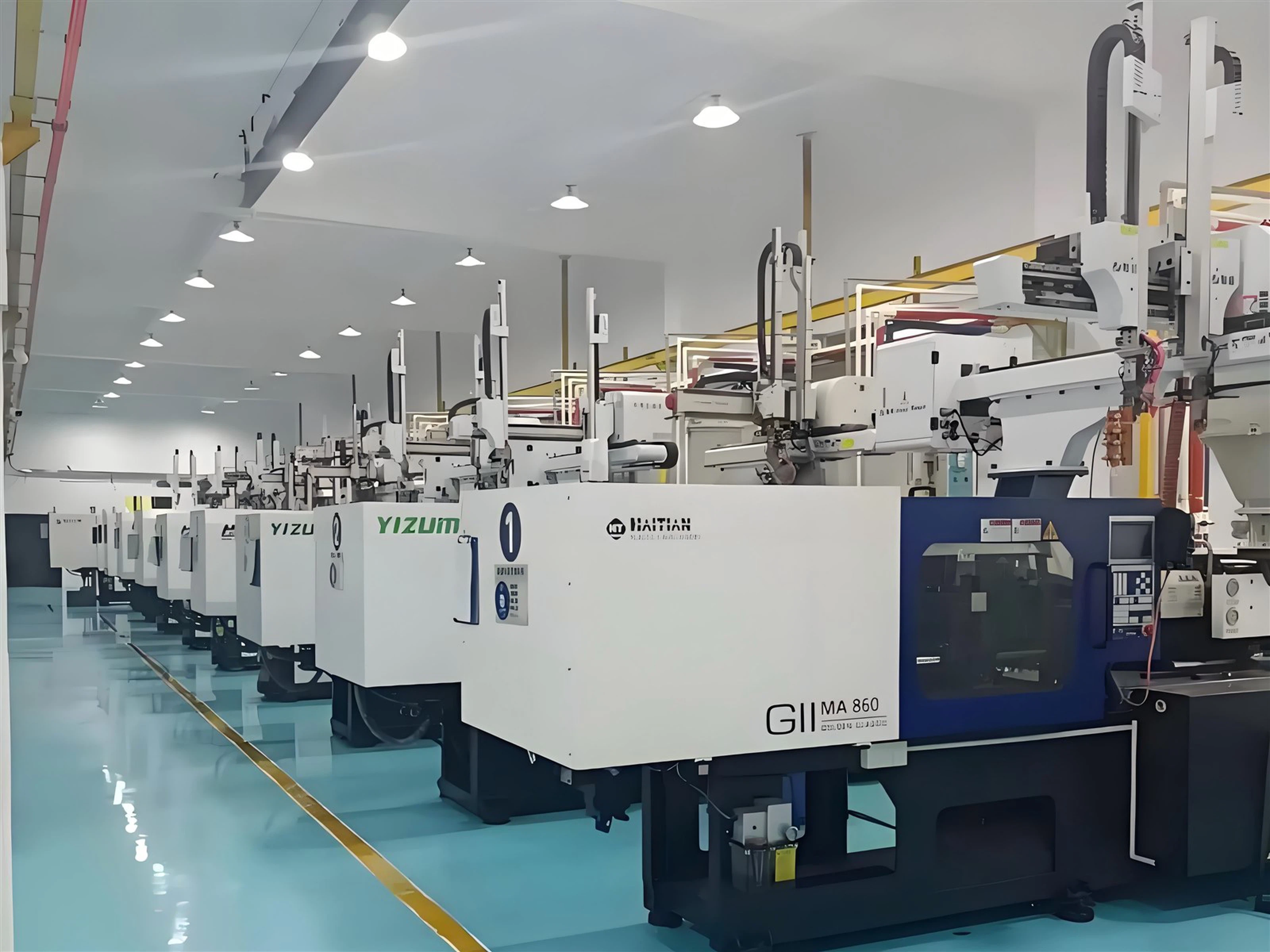

Mold Transferability Changes the Game
Moving tooling often proves challenging because tooling needs design for a certain injection mold press with specific hardware. Customers want flexibility to move tooling elsewhere seamlessly, but retrofitting costs and tooling being offline create barriers.
Some companies now build proprietary frames in multiple countries. Fictiv makes core and cavity inserts that can run in China or move if geopolitical situations change. This gives manufacturers agility to adapt to market shifts.
Benefits stack up fast. Nearshoring decreases overhead cost of managing freight logistics, as being closer to target markets substantially reduces shipping costs. Transporting molds and parts becomes cheaper with less environmental strain.
Material Science Creates New Possibilities
Manufacturers increasingly use bio-based plastics, recycled resins, and other eco-friendly materials to minimize environmental impact. These materials offer comparable strength to traditional plastics.
Nickel-titanium alloys (Nitinol) are being injection-molded into self-expanding stent frameworks that adapt to blood vessel contours. Post-molding heat treatment activates shape memory properties.
Advanced composites change part performance. Carbon fiber and nanomaterials enhance strength and stiffness. The demand for lighter-weight parts in automotive and aerospace industries drives development of new materials and molding techniques.
Recycled materials present challenges. 82% of converters pursue multisourcing strategies to guard against price spikes, and margin volatility discourages long-term tooling commitments.

"The injection molding industry is undergoing a transformative phase driven by digitalization and sustainability imperatives. Advanced process controls combined with AI optimization have demonstrated up to 40% improvements in energy efficiency while maintaining or improving part quality. This technological convergence is reshaping manufacturing paradigms across all sectors utilizing injection molding processes."
- Journal of Advanced Manufacturing Technologies, 2025
www.advancedmanufacturingjournal.com
Quality Control Gets Smarter
AI-driven quality control systems detect defects in real time, ensuring only parts meeting exact specifications move forward in production. This reduces scrap rates and improves outcomes.
More customers request Advanced Product Quality Planning (APQP) and Production Part Approval Process (PPAP) for injection molding orders. Quality control processes become industry standard.
Cameron Moore notes a shift. Ten years ago, support like Mold DFM, mold flow analysis, and tooling validation was primarily sought by the automotive industry, but it has quickly expanded to other sectors.

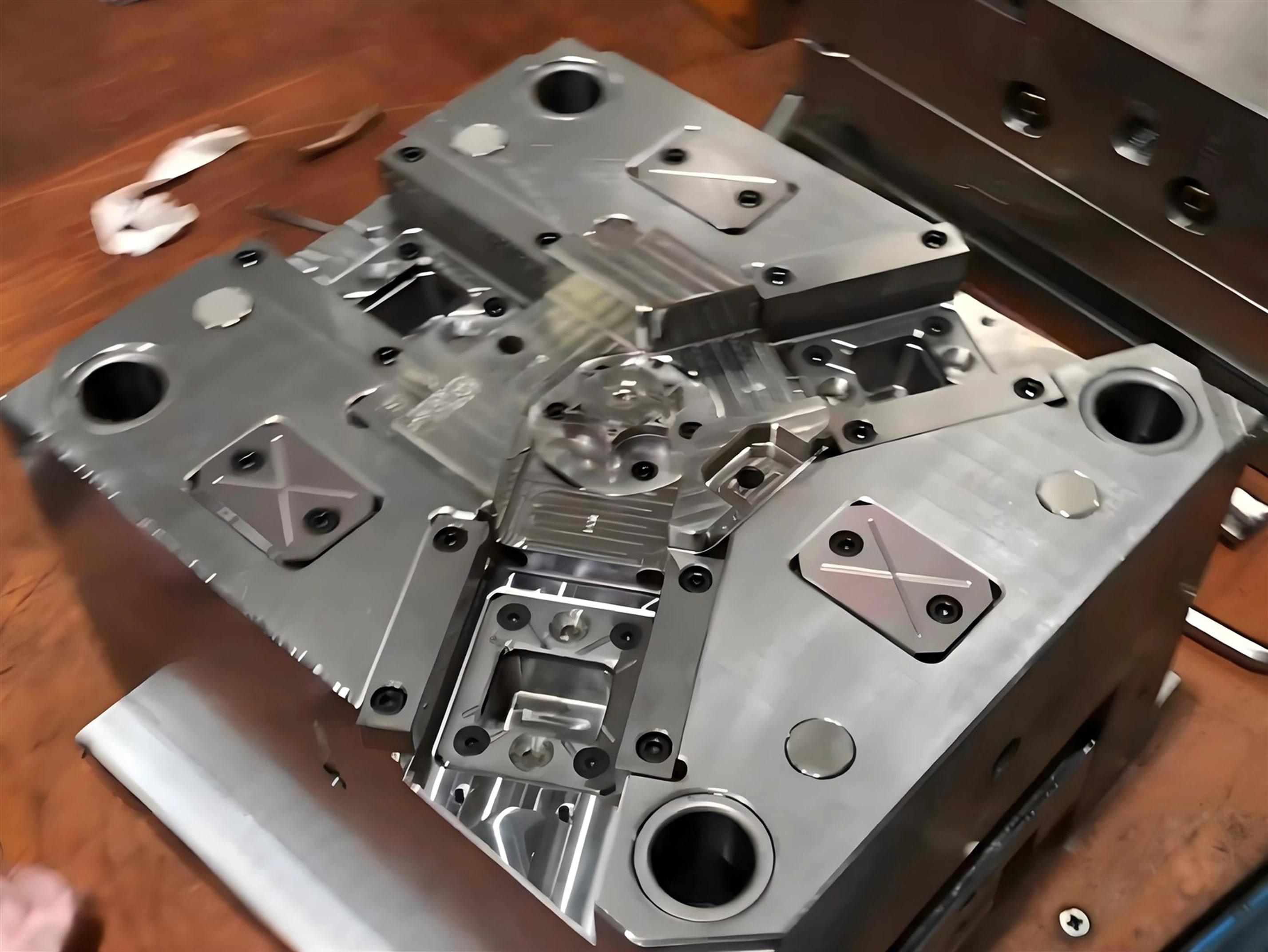
Conformal Cooling Cuts Cycle Times
Conformal cooling channels designed using 3D printing technologies allow more precise cooling of complex parts, reducing cycle times and improving part quality.
Multi-material molds enable production of parts with different materials or colors in a single cycle. Advanced mold coatings and materials like ceramic and nanocomposite improve mold longevity and reduce wear and tear.
Energy efficiency improves. Hot runner systems and automated gating eliminate runners entirely. A medical device OEM reduced plastic waste by 40% using closed-loop systems that recycle scrap directly back into the process.
Injection Molding Case Study
How One Company Cut Costs and Boosted Output
Company X, a leading manufacturer of custom plastic components for medical, automotive, and industrial industries, sought a reliable supplier of specialized plastic materials for a new product line.
The challenge was tough. They needed custom-manufactured plastic components and hoses for carwash vacuum equipment meeting stringent quality standards while remaining cost-effective.
The partnership helped increase sales by 5x and reduced costs by 25%. Success came from high-quality plastic material used in custom-manufactured components.
Key factors made the difference. Beaver State Plastics established a strong relationship characterized by open communication and collaboration, with a proven track record of delivering products on time and within budget.
They optimized production processes throughout. The team optimized the injection molding cycle to ensure rapid turnaround times and consistent quality, tailoring solutions to meet specific customer requirements.
Expert Opinions: What Industry Leaders Say
Core Injection Molding Developments Reshaping Production
Industry 4.0 Integration
The integration of sensors, IoT devices, and cloud computing enables real-time data collection and analysis throughout the injection molding process. Data analytics predict equipment failures and schedule maintenance proactively.
Smart factories become reality. By 2025, we see greater adoption of automation, robotics, and smart manufacturing technologies in injection molding facilities, leading to increased efficiency and reduced labor costs.
Remote monitoring changes operations. Production managers check machine performance from anywhere. Systems flag potential issues before they cause shutdowns.
Sustainability Becomes Mandatory
Sustainable injection molding practices are gaining ground as greater awareness of climate change impacts on business continues to grow. Molders increasingly use biodegradable and recycled plastics.
Regrind reduces waste. Recycling scrap material known as regrind allows molded and re-purposed plastics, although differences in material properties should be considered.
Regulatory pressure mounts. U.S. Extended Producer Responsibility fees across 14 states create additional cost signals that reward eco-modulated designs and favor converters with advanced resin reclamation lines.
On-Demand Manufacturing Gains Traction
JIT can be utilized in managing inventories to reflect market demands and changing production timelines. Manufacturers quickly adjust production levels and product quality.
Customization meets scale. Injection molding becomes more agile and responsive to changing market demands, with increased emphasis on customization and on-demand manufacturing.
Benefits extend beyond speed. Companies produce goods at competitive prices while better aligning with consumer requirements.
Digital Twin Technology
Mold flow analysis and digital twin technology become integral parts of design and manufacturing process, enabling greater optimization and efficiency.
Simulation prevents costly mistakes. Engineers predict shear rates, air traps, and weld lines before cutting steel. Rheological flow simulation software combined with sensors embedded in molds provide real-time cavity pressure data, enabling in-process quality control.
One biotech firm achieved remarkable results. A company reached 98% first-pass yield for a 0.03g micro-valve using a servo-electric micro molder and inline vision inspection.
Frequently Asked Questions About Injection Molding
How much does injection molding equipment cost in 2025?
The global injection molding machine controller market size is projected to be approximately $333 million in 2024, expecting to reach $494 million by 2031. Individual machine costs vary widely based on tonnage and features.
Basic hydraulic machines start around $30,000 to $60,000 for smaller tonnage. All-electric machines with advanced controls range from $100,000 to $500,000 or more. Mold costs add $1,495 to over $100,000 depending on complexity.
What challenges do manufacturers face with new technologies?
Key challenges include high initial investments, skill gaps among employees, and integration issues with existing systems. Smaller manufacturers find costs prohibitively expensive.
Training takes time. New systems require substantial adjustments. Workers need education on operating and maintaining advanced equipment before seeing benefits.
How long does it take to see ROI on automation investments?
Payback periods vary from 6 months to 3 years depending on production volume and complexity. High-volume manufacturers with consistent orders see faster returns.
Energy savings add up. All-electric machines reduce power consumption by 30-50% compared to hydraulic systems. Predictive maintenance cuts downtime costs significantly.
Which industries benefit most from recent advances?
The packaging segment dominated the market with the largest revenue share in 2023, followed by automotive applications. Medical device manufacturing sees major gains from micro molding capabilities.
Growing adoption of electric vehicles drives demand for lightweight exterior components made of plastics. Hyundai Motor Group announced a new electric vehicle factory in Georgia set to open in 2025 with annual production capacity of 300,000 vehicles.
What material innovations matter most?
Rapid advancements in injection molding technology enhance production efficiency and precision, with innovations like 3D printing and automation enabling complex designs.
Bio-based plastics reduce environmental impact. Recycled resins meet performance standards while supporting circular economy goals. Advanced composites provide strength-to-weight ratios impossible with traditional materials.
How do companies handle material price volatility?
Resin distributors cite unprecedented uncertainty, with 82% of converters pursuing multisourcing strategies to guard against price spikes. Multiple supplier relationships provide buffer against disruptions.
Some manufacturers maintain strategic inventory levels. Others negotiate long-term contracts with price protection clauses. Nearshoring reduces exposure to international shipping cost fluctuations.
Key Injection Molding Applications

Automotive
Lightweight components, interior parts, and under-the-hood components benefit from advanced injection molding techniques and materials.

Medical
Precision components, micro-molded parts, and biocompatible materials meet strict regulatory requirements for medical devices.

Packaging
Sustainable packaging solutions with recycled content meet new regulations while maintaining performance and shelf appeal.