





An injection mold machine, also known as an injection molding machine or injection press, represents one of the most critical manufacturing tools in modern plastic production. ⚙️ This sophisticated equipment transforms raw plastic materials into finished products through the injection molding process, making it indispensable across automotive, medical, consumer goods, and electronics industries.
1. The fundamental operation of an injection mold machine involves melting plastic pellets and injecting the molten material into a precisely designed mold cavity.
2. Once cooled and solidified, the part is ejected, completing the manufacturing cycle.
3. Modern injection mold machine technology has evolved significantly, offering enhanced precision, energy efficiency, and production capabilities that meet today's demanding manufacturing requirements.
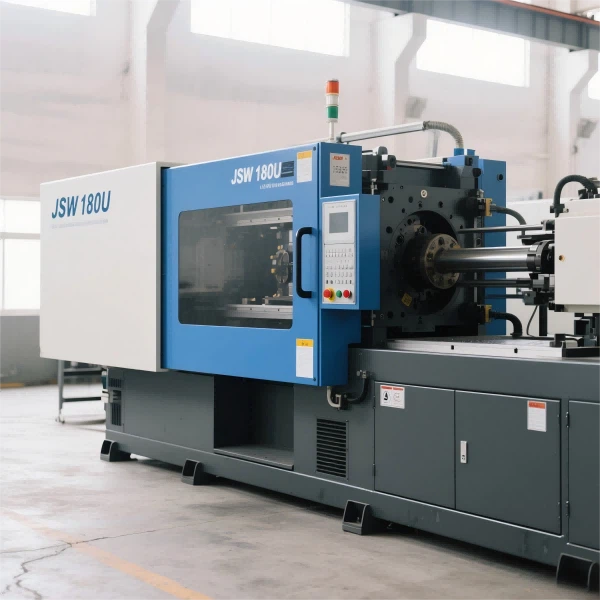
How Does an Injection Mold Machine Work?
Understanding the operational mechanics of an injection mold machine is crucial for manufacturers seeking optimal production outcomes. The process begins when plastic pellets or granules are fed into the hopper, where they travel through a heated barrel containing a reciprocating screw mechanism. 🔧
a) The heating elements surrounding the barrel gradually melt the plastic material as the screw rotates and advances forward.
b) Once the plastic reaches the proper temperature and consistency, the screw acts as a plunger, forcing the molten material through the nozzle into the mold cavity.
c) The clamping unit maintains tremendous pressure to keep the mold halves together during injection, preventing material leakage and ensuring part integrity.
The injection mold machine's control system monitors critical parameters including temperature, pressure, injection speed, and cooling time. These variables directly impact part quality, dimensional accuracy, and production efficiency. Advanced injection mold machine models incorporate sophisticated feedback systems that automatically adjust parameters to maintain consistent quality standards.
Types of Injection Mold Machines: Comprehensive Classification
1. Hydraulic Injection Mold Machine Systems
Hydraulic injection mold machine designs have dominated the manufacturing landscape for decades, offering robust performance and cost-effective operation. These systems utilize hydraulic fluid to power both the injection and clamping mechanisms, providing excellent force multiplication capabilities. 🏭
Primary advantages include:
Exceptional clamping force capacity
Proven reliability in high-volume production
Lower initial investment compared to electric alternatives
Superior performance with glass-filled and reinforced materials
Limitations encompass:
Higher energy consumption rates
Increased maintenance requirements due to hydraulic fluid systems
Potential environmental concerns regarding oil leakage
2. Electric Injection Mold Machine Technology
Electric injection mold machine systems represent the latest advancement in manufacturing technology, utilizing servo motors and ball screws for precise control. Electric machines are becoming more popular due to their energy efficiency and precise control.
Key benefits include:
Superior energy efficiency (up to 50% reduction in power consumption)
Enhanced repeatability and precision
Reduced noise levels during operation
Minimal maintenance requirements
Faster response times for improved cycle efficiency
3. Hybrid Injection Mold Machine Solutions
Hybrid injection mold machine designs combine the best attributes of hydraulic and electric systems, offering balanced performance characteristics. These machines typically employ electric drives for injection functions while maintaining hydraulic systems for clamping operations.
| Machine Type | Energy Efficiency | Initial Cost | Maintenance | Precision Level |
|---|---|---|---|---|
| Hydraulic | Low | Low | High | Good |
| Electric | High | High | Low | Excellent |
| Hybrid | Medium-High | Medium | Medium | Very Good |
Critical Injection Mold Machine Specifications
Clamping Force Requirements
Clamping force represents one of the most critical injection mold machine specifications, determining the maximum part size and complexity achievable. Injection molding machines are primarily sized based on three critical parameters: clamping force, shot size, and additional criteria such as platen size, tie bar spacing, and injection pressure.
1. Small tonnage injection mold machine units (under 100 tons) are ideal for precision components, electronic housings, and medical devices.
2. Medium tonnage systems (100-500 tons) handle automotive interior parts, appliance components, and consumer products.
3. Large tonnage injection mold machine models (500-1000+ tons) manufacture automotive exterior panels, industrial containers, and furniture components. ⚖️
Shot Size and Injection Capacity
Shot size determines the maximum amount of material an injection mold machine can inject in a single cycle. Aim for 20 to 80 percent shot capacity for general-purpose resins and 30 to 50 percent for engineered resins. This specification directly correlates with part weight and volume requirements.
Calculating optimal shot size involves:
Part weight plus runner system weight
Safety factor of 1.2-1.5 for consistent quality
Material shrinkage considerations
Cushion requirements for pressure transmission
Injection Pressure and Rate Control
Modern injection mold machine systems provide precise control over injection pressure and rate, enabling optimization for various material types and part geometries. Pressure requirements vary significantly based on material viscosity, flow length, and part thickness.
| Parameter | Typical Range | Application |
|---|---|---|
| Injection Pressure | 1,000-2,500 bar | Standard thermoplastics |
| Injection Rate | 10-300 mm/s | Varies by part geometry |
| Hold Pressure | 50-80% of injection | Dimensional stability |
| Cooling Time | 10-120 seconds | Material and wall thickness dependent |
Advanced Injection Mold Machine Features and Technologies
Multi-Component Molding Capabilities
Contemporary injection mold machine designs incorporate advanced multi-component molding capabilities, enabling production of complex parts with multiple materials or colors in a single operation. These systems feature rotating platens, core-back mechanisms, and sophisticated control algorithms. 🎯
Applications include:
Two-shot molding for soft-grip handles
Insert molding for electronic assemblies
Overmolding for gaskets and seals
Multi-color aesthetic components
Industry 4.0 Integration
Modern injection mold machine systems embrace Industry 4.0 principles, incorporating IoT connectivity, predictive maintenance algorithms, and real-time process monitoring. These capabilities enable:
a) Remote monitoring and diagnostics
b) Predictive maintenance scheduling
c) Quality traceability and documentation
d) Production optimization through data analytics

Injection Mold Machine Selection Criteria
Production Volume Considerations
Selecting the appropriate injection mold machine requires careful analysis of production volume requirements, part complexity, and material specifications. High-volume production typically justifies investment in faster, more automated systems with enhanced efficiency features.
Low-volume production (under 10,000 parts annually):
Manual or semi-automatic injection mold machine systems
Standard hydraulic or entry-level electric machines
Focus on flexibility and lower initial investment
High-volume production (over 100,000 parts annually):
Fully automatic injection mold machine systems
High-speed electric or advanced hybrid machines
Emphasis on cycle time optimization and energy efficiency
Material Compatibility Assessment
Different materials require specific injection mold machine capabilities. Engineering plastics, glass-filled compounds, and high-temperature materials demand enhanced injection pressure, specialized screw designs, and precise temperature control. 🔬
| Material Category | Pressure Requirements | Special Considerations |
|---|---|---|
| Commodity Plastics | Standard | Basic temperature control |
| Engineering Plastics | High | Precise temperature zones |
| Glass-filled Compounds | Very High | Wear-resistant components |
| High-temp Materials | High | Extended heating zones |
Maintenance and Optimization of Injection Mold Machine Systems
Preventive Maintenance Protocols
Implementing comprehensive preventive maintenance protocols ensures optimal injection mold machine performance and extends equipment lifespan. Schedule routine inspections of your injection molding equipment to check for signs of wear and tear, loose connections, leaks, and other issues that may affect performance.
Daily maintenance tasks include:
Visual inspection for oil leaks and unusual noises
Verification of safety systems functionality
Temperature profile monitoring
Material supply level checks
Weekly maintenance procedures encompass:
Hydraulic system pressure verification
Electrical connection tightness inspection
Cooling system performance evaluation
Lubrication point servicing
Monthly comprehensive maintenance involves:
Detailed mechanical component inspection
Calibration verification of control systems
Wear component replacement assessment
Performance optimization review
Troubleshooting Common Issues
Effective troubleshooting procedures minimize injection mold machine downtime and maintain production continuity. Verify incoming power lines to make sure they are tight at the main breaker of the machine to avoid overheating, breakdown of the breaker, and possibly, a fire hazard.
Common problems and solutions:
Inconsistent part quality: Verify material consistency, temperature stability, and injection parameters
Excessive cycle times: Analyze cooling efficiency, material flow rates, and machine response times
Mechanical wear: Implement proper lubrication schedules and replace worn components proactively
Control system errors: Maintain software updates and calibrate sensors regularly
Economic Considerations and Return on Investment
Cost-Benefit Analysis Framework
Evaluating injection mold machine investments requires comprehensive cost-benefit analysis considering initial purchase price, operating costs, maintenance expenses, and production capabilities. Energy efficiency improvements in modern electric injection mold machine systems often justify higher initial investments through reduced operating costs.
Total cost of ownership factors:
Initial equipment purchase price
Installation and commissioning costs
Energy consumption over equipment lifetime
Maintenance and repair expenses
Productivity gains from enhanced capabilities
Financing and Leasing Options
Various financing mechanisms support injection mold machine acquisition, including traditional loans, equipment leasing, and rent-to-own arrangements. Many manufacturers offer flexible payment terms and service packages to support customer investments. 💰
Future Trends in Injection Mold Machine Technology
Sustainability and Environmental Impact
Environmental consciousness drives development of more sustainable injection mold machine technologies. Manufacturers focus on energy efficiency improvements, recyclable material compatibility, and reduced waste generation throughout the production process.
Emerging sustainability initiatives include:
Energy recovery systems capturing waste heat
Biodegradable material processing capabilities
Closed-loop cooling systems reducing water consumption
Intelligent material usage optimization
Artificial Intelligence Integration
Artificial intelligence and machine learning algorithms increasingly enhance injection mold machine performance through predictive process optimization, quality prediction, and autonomous parameter adjustment. These technologies enable unprecedented levels of automation and consistency.
Maximizing Injection Mold Machine Performance
Success in modern manufacturing requires thorough understanding of injection mold machine capabilities, proper equipment selection, and comprehensive maintenance protocols. The evolution from traditional hydraulic systems to advanced electric and hybrid technologies offers manufacturers enhanced precision, efficiency, and flexibility.
Strategic injection mold machine investments should align with production requirements, material specifications, and long-term business objectives. By implementing proper maintenance procedures, embracing technological advancements, and focusing on operator training, manufacturers can achieve optimal return on investment while maintaining competitive advantages in today's demanding marketplace.
The future of injection mold machine technology promises continued innovation in automation, sustainability, and intelligence, creating opportunities for manufacturers who invest wisely in these evolving capabilities. Success depends on understanding these technologies and implementing them effectively within comprehensive manufacturing strategies.

Citations:
1.1 The general availability of gas chromatography in practically every laboratory and the inherent sensitivity in the detection of trace constituents indicate that the technique would qualify as a standard test method. With this one-step technique, impurities can be determined in a range that includes major constituents and parts per million impurities.
1.2 Inherent in this test method is the limitation that the impurities must be volatile. Resolution of some of the individual impurities may be limited by the column selected. The use of several different types of columns may be necessary if the ultimate in resolution is required. A single column will normally give the required degree of separation.
1.3 The values stated in SI units are to be regarded as the standard.
Technical Glossary and Definitions
Clamping Force¹: The force applied by the clamping unit to hold the mold halves together during the injection process, measured in tons or kilonewtons.
Shot Size²: The maximum volume of material that can be injected in a single cycle, typically measured in ounces or cubic centimeters.
Cycle Time³: The total time required to complete one full molding cycle, from mold close to part ejection.
Screw L/D Ratio⁴: The length-to-diameter ratio of the injection screw, affecting mixing efficiency and pressure generation.
Tonnage⁵: The clamping force capacity of an injection molding machine, used to classify machine size categories.
Injection Pressure⁶: The pressure applied to force molten plastic into the mold cavity, critical for part filling and quality.
Hold Pressure⁷: Pressure maintained after injection to compensate for material shrinkage during cooling.
Plasticization Rate⁸: The rate at which solid plastic pellets are melted and homogenized by the injection screw.
Tie Bar Spacing⁹: The distance between the tie bars that determine the maximum mold dimensions that can be accommodated.
Daylight Opening¹⁰: The maximum distance between mold platens when fully opened, determining part ejection clearance.
Common Industry Problems and Solutions
Problem 1: Short Shots and Incomplete Filling
Solution : Short shots typically result from insufficient injection pressure, inadequate material temperature, or restricted material flow. Increase injection pressure gradually while monitoring part quality. Verify material temperature profiles match manufacturer specifications. Check for material flow restrictions in runners, gates, or nozzle. Ensure adequate shot size capacity - parts should utilize 40-80% of machine shot capacity. Examine mold venting to prevent air entrapment. Consider gate size optimization for improved flow characteristics. Monitor material moisture content as excessive moisture can cause flow issues. Implement process monitoring systems to detect pressure variations early and adjust parameters automatically for consistent filling.
Problem 2: Excessive Flash Formation
Solution : Flash occurs when mold halves don't seal properly or clamping force is insufficient. Verify clamping force exceeds projected area calculations by 20-30%. Inspect mold parting line for wear, damage, or contamination preventing proper sealing. Check tie bar stretch and platen parallelism - uneven clamping causes localized high pressure. Reduce injection pressure if excessive while maintaining complete filling. Examine mold steel hardness and surface finish at parting lines. Consider installing pressure sensors to monitor cavity pressure variations. Implement regular mold maintenance schedules including parting line cleaning and dimension verification. Upgrade to higher tonnage machines if flash persists despite optimization efforts.
Problem 3: Inconsistent Part Dimensions
Solution : Dimensional variation stems from temperature fluctuations, pressure variations, or material inconsistencies. Implement closed-loop temperature control systems with precise monitoring. Verify material lot consistency and moisture content before processing. Standardize injection profiles with consistent pressure and velocity curves. Check cooling system efficiency - uneven cooling causes warpage and dimensional variation. Monitor machine wear components including check rings, screw flights, and barrel wear. Establish statistical process control with regular dimensional measurements. Implement material handling systems preventing contamination and moisture absorption. Consider cavity pressure sensors for real-time monitoring. Develop robust process windows through design of experiments methodology for optimal parameter settings.
Problem 4: Extended Cycle Times
Solution : Long cycle times reduce productivity and increase manufacturing costs. Optimize cooling efficiency through enhanced cooling channel designs and proper coolant flow rates. Reduce part wall thickness where possible while maintaining structural requirements. Implement conformal cooling techniques using advanced tooling technologies. Verify material processing temperatures - excessive temperatures require longer cooling. Consider alternative materials with faster crystallization rates or improved thermal properties. Optimize injection profiles with faster fill rates where appropriate. Examine machine response times and upgrade controls if necessary. Implement multi-cavity tooling to increase parts per cycle. Consider hot runner systems eliminating runner cooling requirements. Monitor and maintain cooling system cleanliness preventing efficiency degradation.
Problem 5: High Energy Consumption
Solution : Energy efficiency improvements reduce operating costs and environmental impact. Upgrade to electric or hybrid injection molding machines offering 30-50% energy savings. Implement variable frequency drives on pumps and auxiliary equipment. Optimize processing temperatures to minimum acceptable levels reducing heating requirements. Install energy monitoring systems identifying consumption patterns and improvement opportunities. Implement standby modes during production breaks. Consider heat recovery systems capturing waste heat for facility heating. Optimize hydraulic system efficiency through proper fluid selection and maintenance. Implement demand-based auxiliary equipment control. Conduct energy audits identifying specific improvement opportunities. Train operators on energy-efficient operating procedures. Consider renewable energy sources for facility power requirements.
Problem 6: Frequent Maintenance Requirements
Solution : Excessive maintenance indicates inadequate preventive programs or component selection issues. Implement comprehensive preventive maintenance schedules based on operating hours and production volumes. Use high-quality lubricants and hydraulic fluids meeting manufacturer specifications. Install filtration systems protecting hydraulic and cooling circuits from contamination. Monitor wear components including screws, barrels, and check rings through regular inspections. Implement condition monitoring systems detecting problems before failures occur. Train maintenance personnel on proper procedures and diagnostic techniques. Maintain spare parts inventory for critical components minimizing downtime. Consider component upgrades offering enhanced durability. Establish partnerships with equipment manufacturers for technical support and training programs.
Authoritative References and Resources
Society of Plastics Engineers (SPE) - Injection Molding Division https://www.4spe.org/i4a/pages/index.cfm?pageid=1
Plastics Technology Magazine - Injection Molding Section https://www.ptonline.com/zones/injection-molding
ASTM International - Plastics Standards https://www.astm.org/products-services/standards-and-publications/standards/plastics-standards.html
International Organization for Standardization (ISO) - Plastics Machinery https://www.iso.org/committee/47502.html
Injection Molding Magazine - Technical Resources https://www.immnet.com/
ENGEL Austria - Technical Documentation https://www.engelglobal.com/en/us/
Milacron Holdings Corp. - Application Engineering https://www.milacron.com/
RJG Technologies - Process Development https://rjginc.com/
Moldmaking Technology Magazine https://www.moldmakingtechnology.com/
References injection molding machine