





CNC Projects in Precision Manufacturing
The technology behind robust industrial components like pumps, valves, and machinery parts

Understanding CNC Machining
Computer Numerical Control (CNC) machining represents a revolutionary approach to manufacturing that has transformed industrial production over the past half-century. Unlike manual machining, which relies on human operators to control machine tools, CNC projects utilize pre-programmed computer software to dictate the movements of factory tools and machinery.
This technology enables the production of complex parts with extraordinary precision, consistency, and efficiency. In the realm of industrial equipment manufacturing, CNC processes have become indispensable for creating the robust components that power everything from water pumps and hydraulic systems to heavy machinery and precision instruments.
"CNC machining has redefined what's possible in precision manufacturing, allowing for tolerances as tight as ±0.0001 inches and complex geometries that would be impossible to achieve through manual methods."
The adoption of CNC technology has significantly improved production workflows in industrial equipment manufacturing. By automating the machining process, manufacturers can produce identical components repeatedly with minimal variation, ensuring consistent performance in assembled products like pumps, where even minor discrepancies can lead to inefficiency or failure.
Precision Engineering
CNC machining achieves levels of precision that were previously unattainable, critical for industrial components where exact dimensions directly impact performance and safety.

Automation Benefits
Automated processes reduce human error, increase production speed, and allow for continuous operation, dramatically improving manufacturing efficiency.
From simple brackets to intricate pump housings with complex internal passages, CNC machining provides the versatility to produce a wide range of components. As we explore further, we'll examine how this technology works, the various processes involved, and why it has become the backbone of modern precision manufacturing for industrial equipment.
Core Principles of CNC Machining
At its core, CNC machining operates on a set of fundamental principles that distinguish it from conventional manufacturing methods. Understanding these principles is key to appreciating how CNC technology delivers such remarkable precision and versatility in producing industrial components.
Numerical Control Fundamentals
The "NC" in CNC stands for Numerical Control, which refers to the use of numbers (and letters and symbols) to control machine movements. These numerical instructions correspond to specific positions on a Cartesian coordinate system (X, Y, and Z axes) that define the workpiece.
Modern CNC systems typically use G-code (Geometric Code) as the standard programming language. G-code consists of commands that specify movements, speeds, and other machine functions. M-code (Miscellaneous Code) is used for auxiliary functions like spindle on/off, coolant control, and program start/stop.
Key Components of a CNC System
Control Unit
The computer that stores and executes the CNC program, converting instructions into machine movements.
Machine Tool
The physical equipment (mill, lathe, etc.) that performs the cutting, shaping, or forming operations.
Drive System
Motors and mechanisms that convert electrical signals from the control unit into precise mechanical movements.
The CNC Workflow
CNC machining follows a structured workflow that ensures precision and repeatability. This process is particularly critical in industrial equipment manufacturing where component reliability is paramount:
Design & Engineering
Creating a 3D CAD model of the component, such as a pump impeller or valve body, with precise specifications.
CAM Programming
Using Computer-Aided Manufacturing software to convert the CAD model into machine-readable G-code instructions.
Machine Setup
Preparing the CNC machine with appropriate tools, fixtures, and raw material (often metal alloys for industrial components).
Production Run
Executing the program to machine the component, with real-time monitoring to ensure quality.
Inspection & Quality Control
Verifying dimensions and surface finish against specifications, often using coordinate measuring machines (CMMs).

This systematic approach ensures that even complex industrial components can be produced with consistent quality. For critical applications like pump manufacturing, where components must withstand high pressures and precise tolerances, these principles translate directly to reliable, long-lasting products.
CNC Machining Technologies for Industrial Manufacturing
The field of CNC machining encompasses various specialized technologies, each suited to different manufacturing challenges. In CNC projects for industrial equipment production, where components range from large pump housings to small precision valves, manufacturers employ a diverse array of CNC processes to achieve optimal results.

CNC Milling
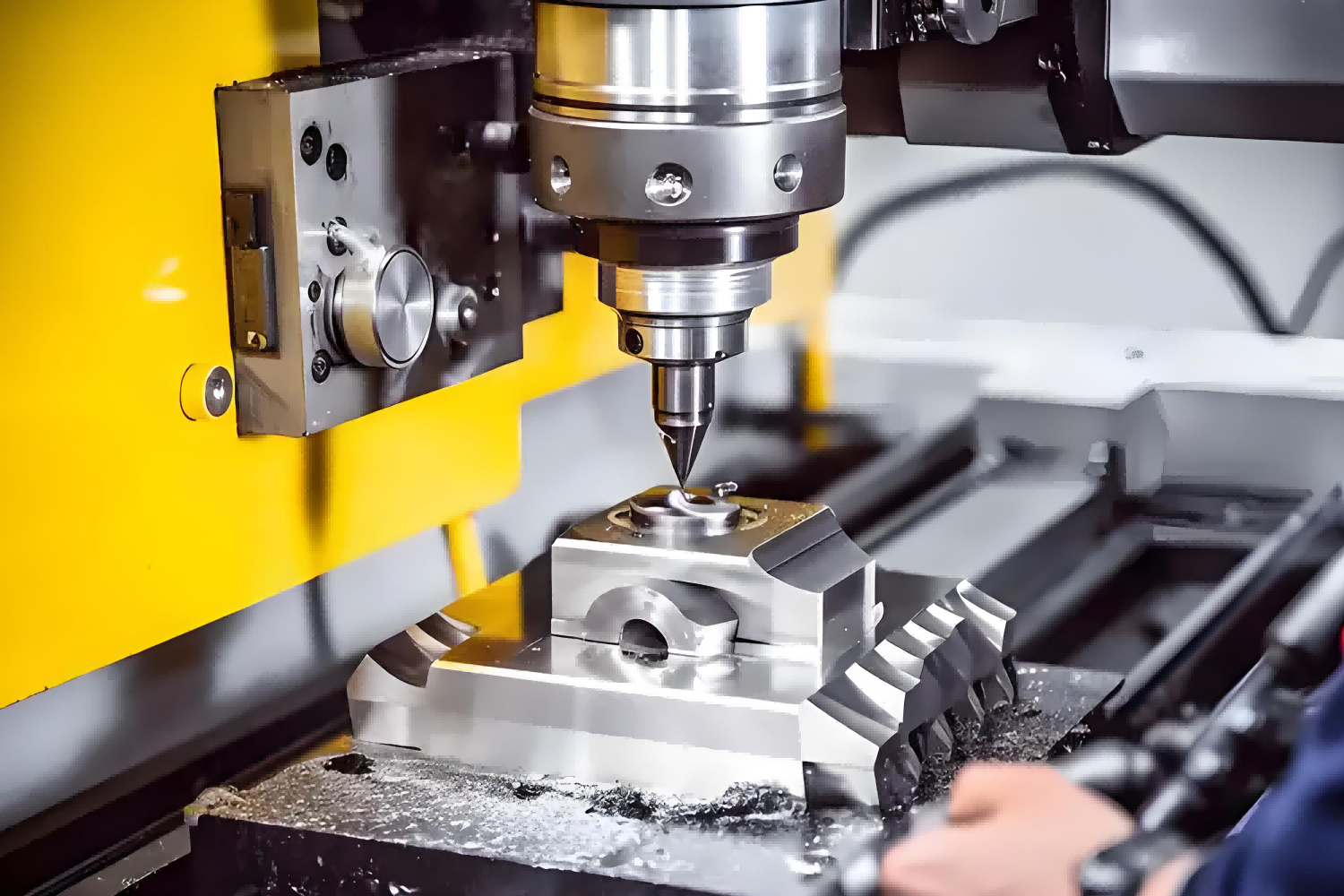
Milling uses rotating cutting tools to remove material from a workpiece. CNC mills can perform complex operations like face milling, peripheral milling, and drilling.
Commonly used for creating flat surfaces, slots, and intricate 3D shapes in pump casings and machinery frames.
CNC Turning
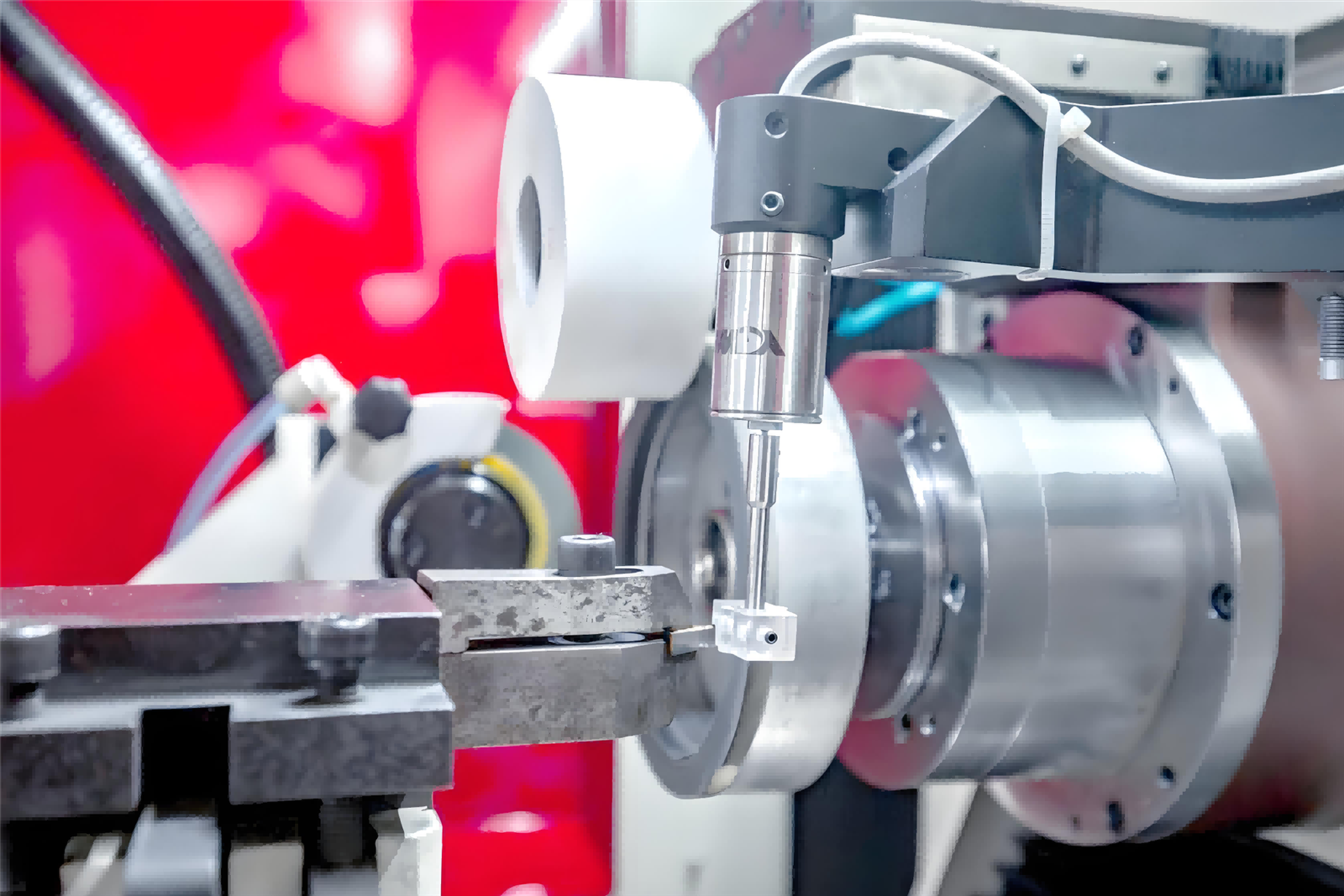
Turning rotates the workpiece while a stationary cutting tool shapes it. This process is ideal for cylindrical components.
Essential for producing shafts, bushings, and cylindrical pump components with precise diameters and concentricity.
CNC Grinding
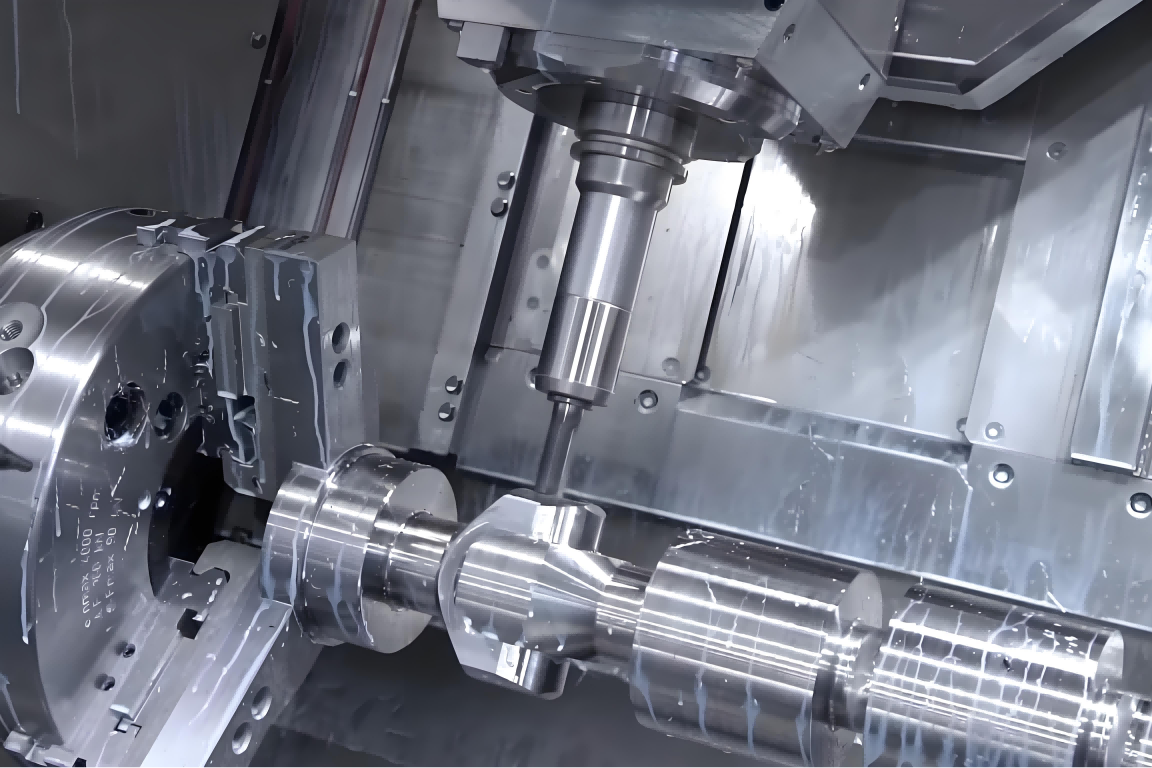
Grinding uses abrasive wheels to achieve extremely fine surface finishes and tight tolerances, often as a finishing process.
Critical for sealing surfaces in pumps and valves where smoothness directly affects performance and leak prevention.
EDM (Electrical Discharge Machining)
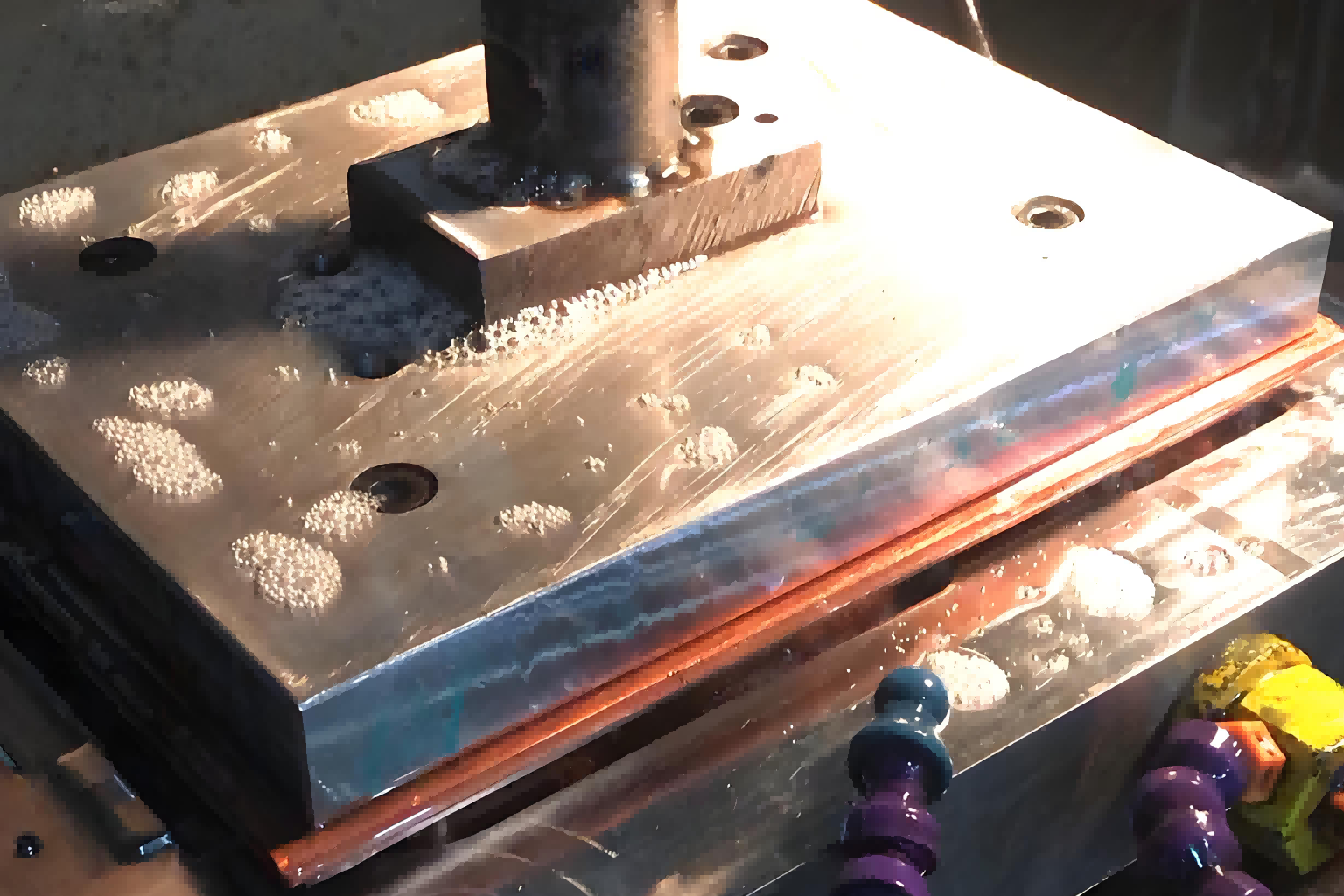
EDM uses electrical discharges to erode material, allowing for extremely complex shapes in hard materials.
Used for intricate pump components and tooling where conventional machining would be challenging.
Advanced CNC Technologies
As manufacturing requirements become more demanding, advanced CNC technologies have emerged to meet the challenges of producing increasingly complex industrial components:
5-Axis Machining
This advanced technology allows cutting tools to move along five different axes simultaneously, enabling the production of highly complex shapes. For industrial equipment like pumps with contoured impellers, 5-axis machining reduces setup time while improving accuracy.
Multi-Spindle Machining
Machines with multiple spindles can perform several operations simultaneously, significantly increasing production rates. This is particularly valuable for high-volume production of small industrial components like valve stems and pump fittings.
Swiss-Type Machining
Swiss-type lathes excel at producing long, slender parts with high precision. In industrial manufacturing, this technology is ideal for creating precision shafts and rods used in pumps and hydraulic equipment.
CNC Technology Comparison
| Technology | Precision | Material Compatibility | Typical Industrial Applications |
| CNC Milling | ±0.0005" | Metals, plastics, composites | Pump housings, valve bodies, brackets |
| CNC Turning | ±0.0001" | Metals, plastics | Shafts, bushings, cylindrical components |
| CNC Grinding | ±0.00005" | Metals, ceramics | Sealing surfaces, precision bearings |
| 5-Axis Machining | ±0.0002" | Metals, exotic alloys | Complex impellers, turbine components |
CNC Projects and Applications in Industrial Equipment Manufacturing
CNC machining has become indispensable across virtually all sectors of industrial equipment manufacturing. Its ability to produce precise, consistent components makes it particularly valuable in the production of pumps and related fluid handling equipment, where performance, reliability, and safety are paramount concerns.
Pump Manufacturing
Pumps represent one of the most demanding applications for CNC machining due to their need to handle fluids under varying pressures with minimal leakage. CNC technology enables the production of several critical pump components:
Pump Housings
CNC milling creates the complex internal cavities and mounting surfaces required in pump housings, ensuring proper fluid flow and component alignment.
Impellers
5-axis CNC machining produces the intricate blade profiles that maximize pumping efficiency while maintaining precise balance.
Shafts & Bearings
CNC turning and grinding create shafts with precise concentricity and surface finishes that minimize friction and wear in bearing assemblies.
Sealing Components
Precision CNC machining of seal faces and mating surfaces ensures leak-free operation even under high pressure differentials.
Critical Requirements for Pump Components
Tight dimensional tolerances (often ±0.0005" or better)
Superior surface finishes to minimize friction and prevent cavitation
Material integrity to withstand corrosive fluids and high pressures
Precise geometric relationships between mating components
Other Industrial Equipment Applications
Valves & Flow Control
CNC machining produces valve bodies, stems, and trim components with precise seating surfaces that control fluid flow with minimal leakage.
The ability to machine complex internal passages allows for the creation of efficient flow control devices for various industrial applications.
Hydraulic & Pneumatic Components
Precision CNC machining creates cylinders, manifolds, and fittings that withstand high pressures in hydraulic systems.
Tight tolerances ensure proper sealing and efficient operation in hydraulic pumps, motors, and control valves.
Machine Tool Components
CNC machines produce the precision guideways, spindles, and bearing housings that are essential to their own construction.
High-stiffness components with excellent dimensional stability ensure the accuracy of machine tools themselves.
Compressors & Turbines
Complex blade geometries and casing components for compressors and turbines require the precision of 5-axis CNC machining.
Aerodynamic surfaces machined to tight tolerances maximize efficiency in these energy conversion devices.
Quality Advantages in Industrial Applications
In industrial equipment manufacturing, the advantages of CNC machining directly translate to better performing, more reliable products:
Consistency
CNC machining produces identical components batch after batch, ensuring consistent performance in assembled equipment.
Durability
Precision machining creates components with proper fits and finishes that resist wear and extend equipment lifespan.
Efficiency
Optimized component geometries produced by CNC machining maximize the operational efficiency of pumps and machinery.
Materials Processed by CNC in Industrial Manufacturing
CNC machining can process a wide range of materials, each presenting unique challenges and requiring specific techniques. In CNC projects for industrial equipment manufacturing, the choice of material is critical to component performance, especially for pumps and machinery that must withstand varying temperatures, pressures, and chemical environments.
Metallic Materials

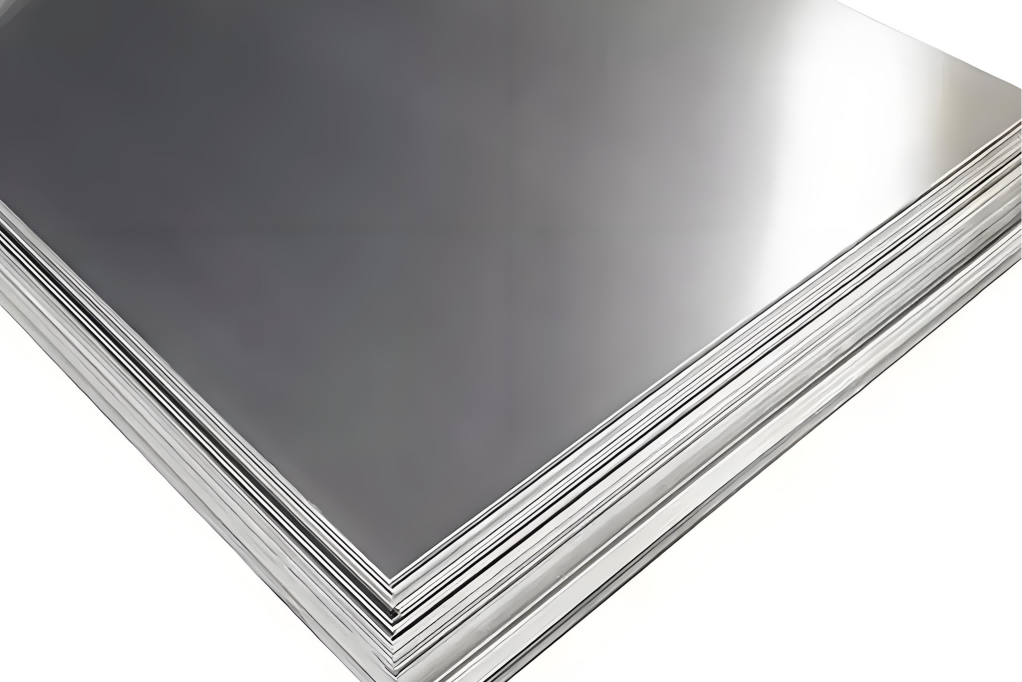
Stainless Steels
Alloys containing chromium for corrosion resistance, widely used in pump components.
304 316 416 17-4 PH
Carbon Steels
Strong, durable, and cost-effective for non-corrosive industrial applications.
1018 4140 4340 A36

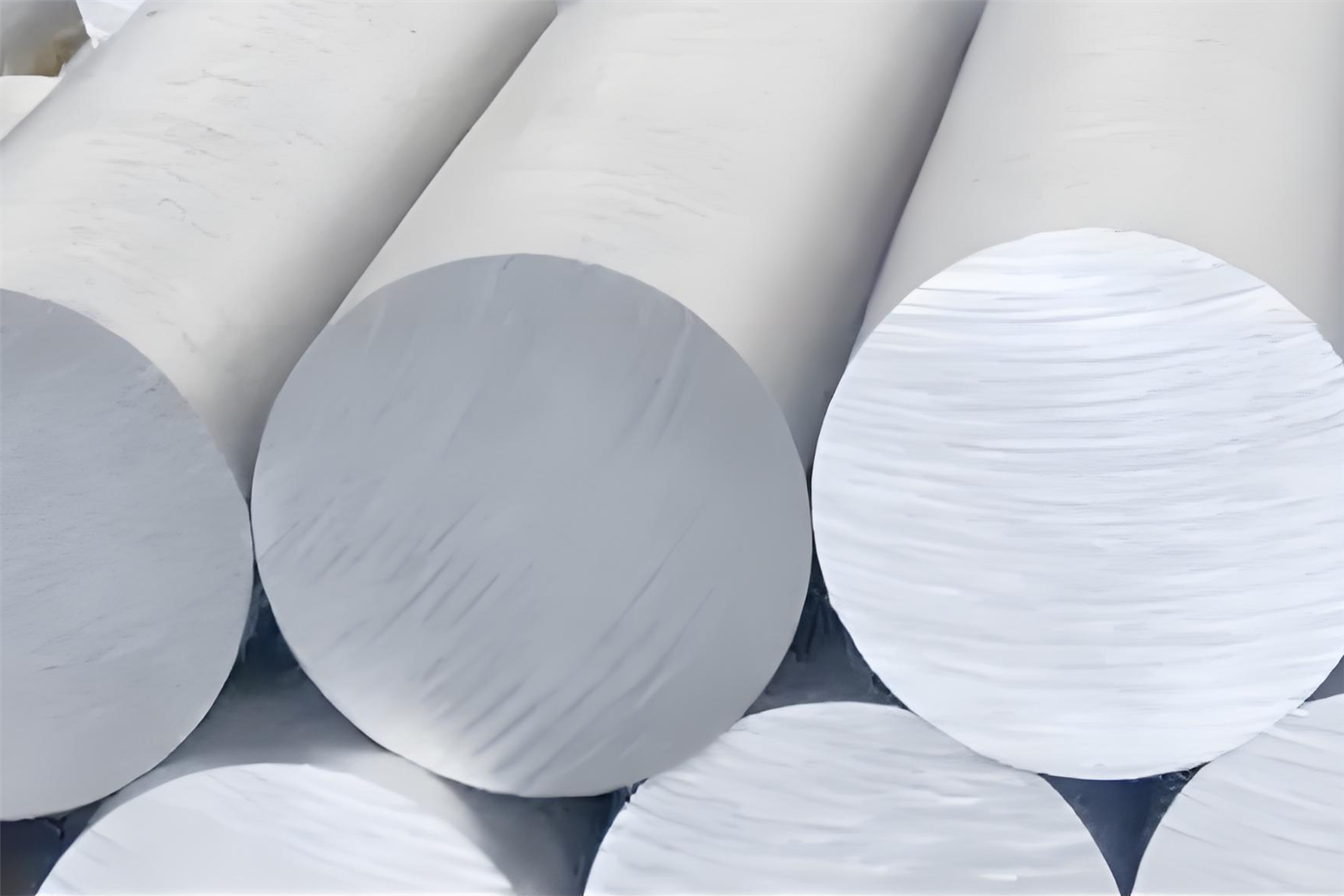
Aluminum Alloys
Lightweight with good corrosion resistance, ideal for weight-sensitive applications.
6061 7075 2024 5052
Exotic Alloys
Specialized materials for extreme environments in industrial machinery.
Inconel Titanium Hastelloy Monel
Non-Metallic Materials
Plastics
- Acetal (POM) - low friction, wear-resistant
- Nylon - strong, self-lubricating
- PTFE (Teflon) - chemical resistant
- PEEK - high temperature resistance
Composites
- Fiberglass-reinforced polymers
- Carbon fiber composites
- GMT (glass mat thermoplastics)
- Graphite composites
Other Materials
- Ceramics - high hardness, heat resistant
- Graphite - lubricious, heat resistant
- Rubber - for seals and gaskets
- Wood - specialized industrial applications
Material Selection Considerations
Choosing the right material for CNC machining in industrial equipment manufacturing involves balancing multiple factors. For pump components and similar industrial parts, these considerations are particularly critical:
Materials must maintain strength and dimensionalstability across the equipment's operating temperaturerange.
Pressure Requirements
Weight Considerations
Pump components must resist comosion and chemicalattack from the fluids they handle.
Wear Resistance
Materials must resist abrasion from particulate matterin fluids and from contact with other components.
Cost Factors
Material costs must be balanced against performancerequirements and production volumes.
Material selection considerations for industrial CNC machining projects
Notable CNC Projects in Industrial Manufacturing
CNC projects in industrial manufacturing showcase the versatility and precision of this technology. From large-scale industrial pump systems to intricate valve components, these CNC projects demonstrate how computer numerical control has revolutionized the production of robust industrial equipment.
Industrial Pump Systems
High-Pressure Centrifugal Pump Manufacturing
One of the most impressive CNC projects in industrial manufacturing involves the production of high-pressure centrifugal pumps used in water treatment facilities. These complex assemblies require multiple CNC processes to create components that can withstand pressures exceeding 1,000 psi.
Impeller Production
5-axis CNC machining creates the complex blade geometry that maximizes pumping efficiency while maintaining balance at high rotational speeds.
Housing Machining
CNC milling produces the precision internal passages and mounting surfaces that ensure proper fluid flow and component alignment.
Shaft Manufacturing
CNC turning and grinding create the high-precision shafts with tight tolerances that minimize vibration and extend bearing life.
This CNC project typically involves multiple machining centers working in coordination, with automated part transfer between operations. Quality control stations throughout the production process verify critical dimensions, ensuring that each component meets the stringent requirements for high-pressure applications.
Specialized CNC Projects for Industrial Components
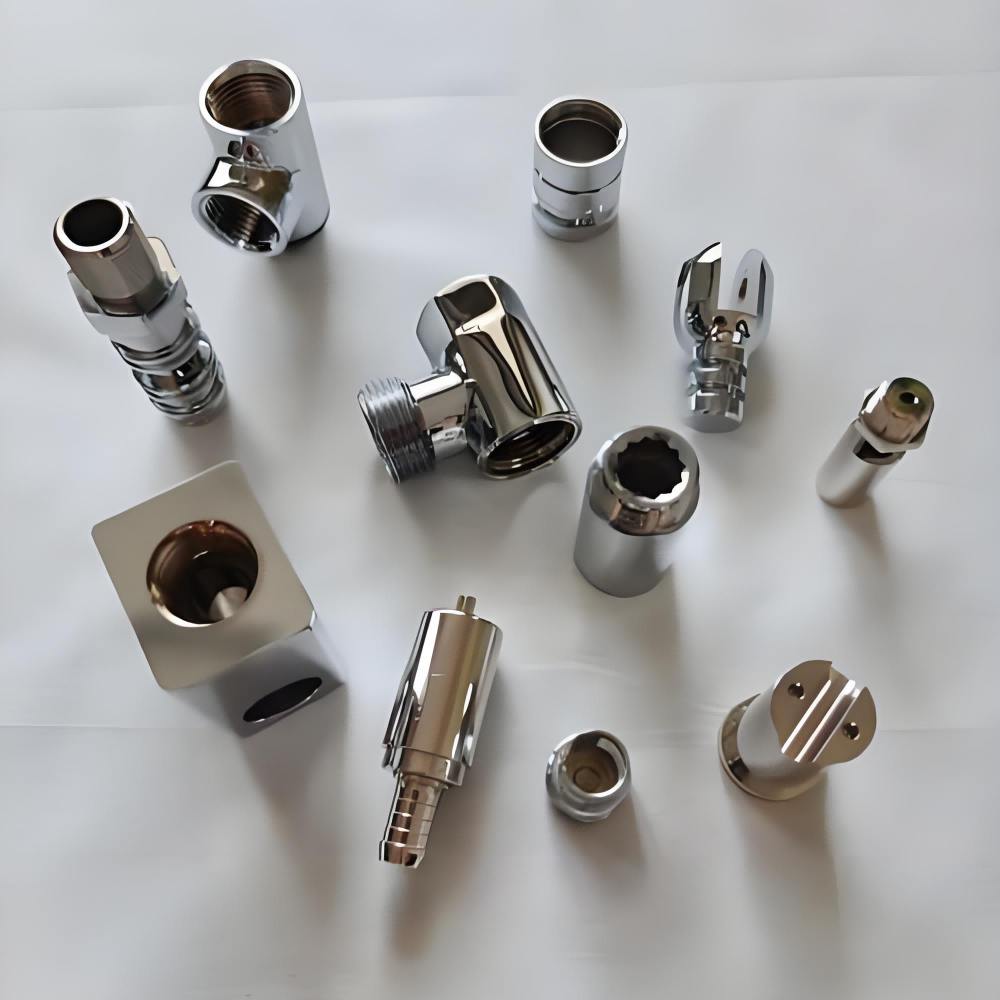
Custom Valve Manifolds
This CNC project involves creating complex manifolds with multiple internal passages that control fluid distribution in industrial systems.
CNC machining enables the precise alignment of internal channels that would be impossible to create with conventional methods, reducing leakage points and improving system efficiency.
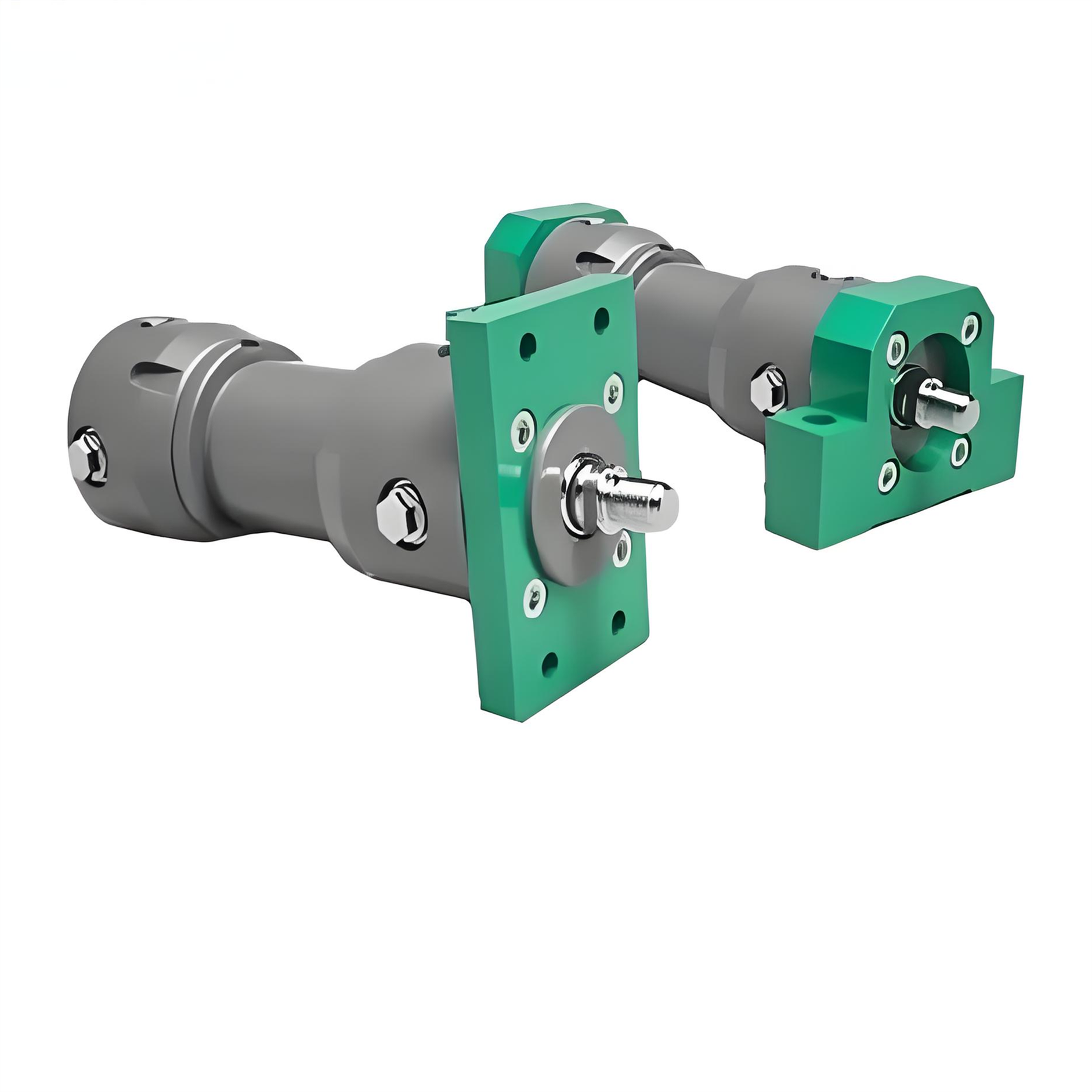
Hydraulic Cylinder Assemblies
These CNC projects produce precision bores and piston rods that form the heart of hydraulic systems in industrial machinery.
The tight tolerances achieved through CNC honing and grinding ensure proper sealing and smooth operation, critical factors in hydraulic system performance.
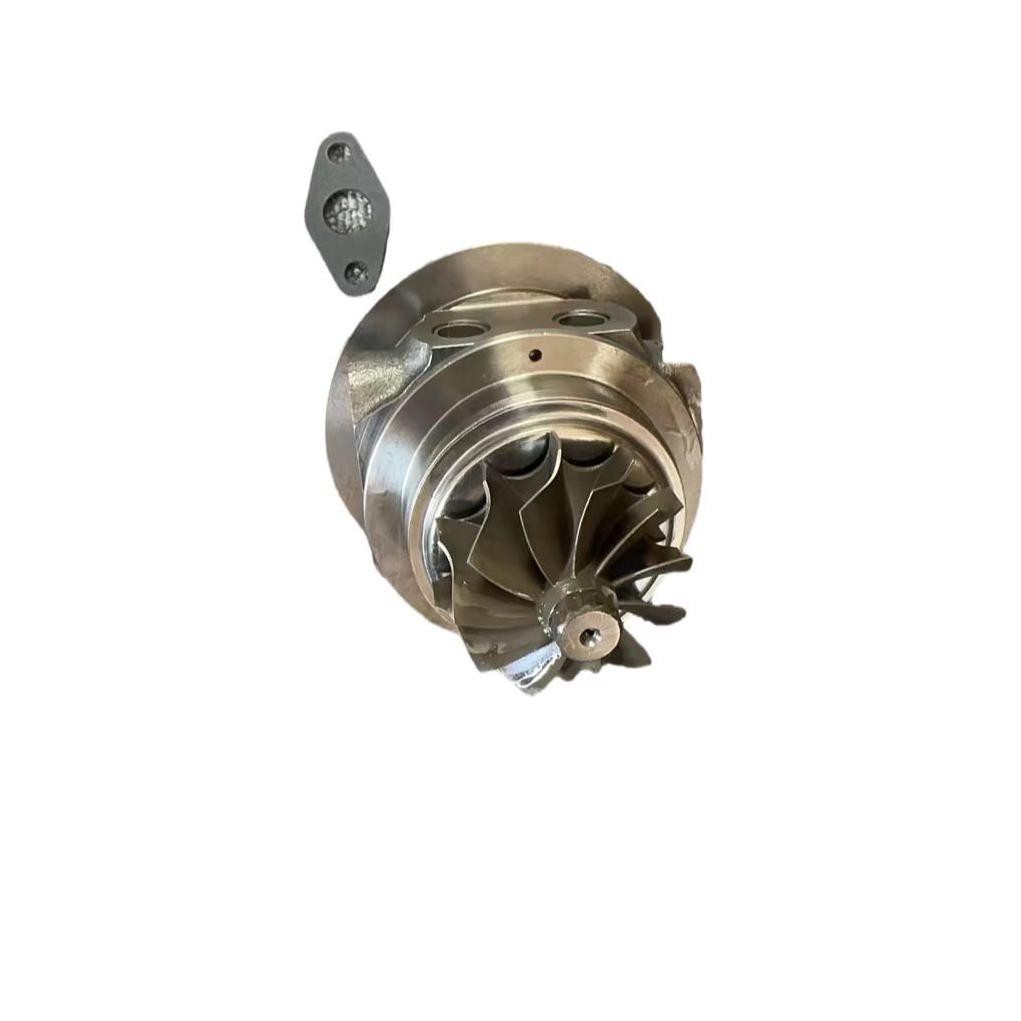
Turbine Components
Complex turbine blades and casings represent some of the most challenging CNC projects in industrial manufacturing.
These components require 5-axis machining to create their aerodynamic profiles, with surface finishes that minimize friction and maximize energy conversion efficiency.

Precision Gearboxes
CNC projects for gear manufacturing involve hobbing, shaping, and grinding processes to create high-precision gears for industrial equipment.
The accurate tooth profiles and dimensional control achieved through CNC machining ensure smooth operation, minimal noise, and extended service life in gearbox assemblies.
Innovation in CNC Projects
The evolution of CNC technology continues to enable new and innovative manufacturing projects in the industrial equipment sector. Recent advancements have expanded the possibilities for what can be achieved:
Integrated Manufacturing Systems
Modern CNC projects often incorporate multiple processes into a single system. For example, a pump manufacturer might use a CNC machine that can mill, turn, and grind components in a single setup, reducing handling and improving accuracy.
Automation & Robotics
Advanced CNC projects integrate robotic systems for material handling, inspection, and assembly. This creates fully automated production cells that can run continuously with minimal human intervention, improving consistency and throughput.
Digital Twin Technology
Some cutting-edge CNC projects utilize digital twin technology, where a virtual model of the component is created and tested before physical production begins. This allows for optimization of both the part design and the machining process.
Adaptive Machining
Innovative CNC projects incorporate sensors and adaptive control systems that can adjust machining parameters in real-time based on feedback from the cutting process. This technology optimizes tool life, improves surface finish, and reduces cycle times.
These innovative approaches to CNC projects are pushing the boundaries of what's possible in industrial equipment manufacturing. By combining advanced machining technologies with smart manufacturing principles, today's CNC projects are creating more efficient, reliable, and cost-effective industrial components than ever before.
Future Trends in CNC Machining for Industrial Manufacturing
The field of CNC machining continues to evolve rapidly, driven by advancements in computing power, software capabilities, and materials science. These developments promise to further transform industrial equipment manufacturing, with significant implications for the production of pumps, valves, and other critical components.
Artificial Intelligence & Machine Learning
AI-powered CNC systems will optimize machining parameters in real-time, predict tool wear, and prevent collisions before they occur.
For industrial pump manufacturing, this could mean self-optimizing processes that maintain perfect tolerances across thousands of production runs.
Industrial Internet of Things (IIoT)
Connected CNC machines will share performance data across manufacturing networks, enabling predictive maintenance and process optimization.
This connectivity will create smarter factories where pump components flow through production based on real-time demand signals.
People living in container houses should...
Combining CNC machining with additive manufacturing will enable production of complex components that can't be made with either technology alone.
Pump impellers with internal cooling channels or lightweight lattice structures could revolutionize fluid dynamics in industrial systems.
Container single-family home
VR/AR technologies will transform CNC programming and machine operation, allowing operators to visualize and test processes before execution.
This will streamline setup for complex pump components and reduce the learning curve for operating advanced CNC machinery.
Sustainability in CNC Manufacturing

Environmental considerations are driving significant changes in CNC machining practices for industrial manufacturing. As sustainability becomes a priority, several key trends are emerging:
Energy-Efficient Machines
Next-generation CNC equipment will consume significantly less energy while maintaining productivity levels.
Closed-Loop Material Systems
Manufacturing processes will capture and reuse machining chips and coolant, reducing waste in pump production.
Eco-Friendly Cutting Fluids
Biodegradable coolants and lubricants will replace traditional petroleum-based products, reducing environmental impact.
Lightweight Component Design
CNC machining will enable production of lighter industrial components that reduce energy consumption in operation.
The Evolution of Precision
As CNC technology continues to advance, CNC projects will leverage precision capabilities of machining processes that reach new heights. This has profound implications for industrial equipment manufacturing:
Projected Tolerance Improvements
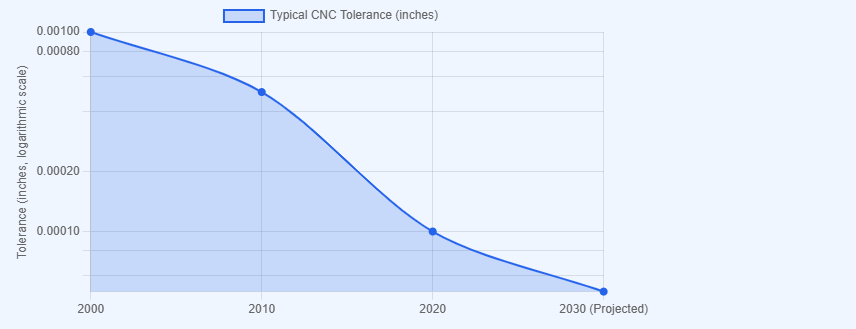
These improvements in precision will enable CNC projects to develop new generations of industrial equipment with enhanced performance characteristics. For pump manufacturers, this means components that can operate at higher pressures with less energy consumption and reduced leakage.
Additionally, the integration of advanced metrology (measurement) systems with CNC machines will create closed-loop manufacturing processes where dimensional feedback continuously adjusts machining parameters. This will virtually eliminate scrap and rework in the production of critical industrial components.
FAQ

1. Q: How do you maintain dimensional accuracy within ±0.0001" tolerances for turbine blade airfoils?
A: Solution Approach:
Advanced Tool Path Programming: Use 5-axis simultaneous machining with CAM software that supports high-precision toolpath generation (like NX, Mastercam, or PowerMill)
Thermal Compensation: Implement real-time thermal compensation systems to account for machine and workpiece thermal expansion
In-Process Measurement: Utilize touch probes and laser measurement systems for continuous dimensional verification during machining
Workholding Strategy: Design custom fixtures with repeatable locating points and minimize clamping distortion
Tool Management: Use high-precision cutting tools with predictable wear patterns and implement tool life monitoring
2. Q: What CNC strategies prevent work hardening when machining nickel-based superalloys (Inconel 718, Hastelloy)?
A: Solution Approach:
Cutting Parameters: Maintain consistent feed rates (never allow tool to dwell), use sharp cutting edges, and employ proper speeds/feeds ratios
Tool Selection: Use carbide tools with TiAlN or ceramic coatings, positive rake angles, and sharp cutting edges
Coolant Strategy: Apply high-pressure coolant directly at cutting zone, consider cryogenic cooling for extreme cases
Machining Approach: Use climb milling, maintain continuous cuts, avoid interrupted cuts when possible
Workpiece Preparation: Pre-stress relieve materials when feasible and maintain consistent material hardness
3. Q: How do you achieve required surface finish (Ra 0.4-0.8 μm) on complex turbine blade surfaces?
A: Solution Approach:
Multi-Stage Machining: Implement roughing, semi-finishing, and finishing operations with progressively finer tools
Tool Selection: Use ball-end mills with small radii for finishing, ceramic or PCD tools for final passes
Cutting Conditions: Reduce feed rates and increase spindle speeds for finishing passes, maintain optimal surface speed
Machine Dynamics: Ensure machine rigidity, minimize vibration through proper toolholding and balanced tools
Post-Processing: Consider electrochemical polishing or abrasive flow machining for final surface enhancement
4. Q: What quality control measures ensure aerospace components meet AS9100 standards during CNC production?
A: Solution Approach:
Statistical Process Control (SPC): Implement real-time monitoring of critical dimensions with control charts
First Article Inspection (FAI): Complete dimensional verification of first parts using CMM with documented measurement plans
In-Process Inspection: Use automated gauging systems and touch probes for 100% critical dimension verification
Traceability Systems: Maintain complete material certificates, tool records, and process parameters for each component
Documentation: Implement digital work instructions, automated data collection, and real-time process monitoring
Calibration Management: Ensure all measuring equipment is calibrated and traceable to national standards
5. Q: How do you optimize tool life and minimize tool changes when machining titanium aerospace components?
A: Solution Approach:
Tool Material Selection: Use carbide tools with specialized coatings (TiAlN, AlCrN) designed for titanium machining
Cutting Strategy: Maintain constant engagement, use adaptive clearing strategies, avoid rubbing or dwelling
Process Parameters: Optimize surface speed (typically 200-400 SFM for titanium), maintain appropriate chip loads
Coolant Management: Use flood coolant or high-pressure coolant to manage heat and prevent tool wear
Tool Path Optimization: Use trochoidal milling for roughing, maintain consistent stepover and stepdown
Predictive Maintenance: Implement tool wear monitoring systems and establish tool change criteria based on surface finish or dimensional drift
6. Q: What CNC programming techniques ensure repeatable precision for complex 5-axis turbine blade machining?
A: Solution Approach:
Coordinate System Management: Establish robust work coordinate systems with multiple reference points and verification procedures
Collision Avoidance: Use advanced CAM simulation to verify tool, holder, and machine clearances throughout entire tool path
Machine Kinematics: Understand and optimize machine rotary axis positioning to minimize interpolation errors
Post-Processor Optimization: Customize post-processors for specific machine characteristics and control systems
Program Verification: Use virtual machining simulation to verify programs before production runs
Setup Standardization: Develop standardized setup procedures with documented fixture designs and tool assignments
Backup Strategies: Implement alternative machining strategies for critical operations to maintain production flexibility