





Precision Manufacturing in the Automotive Industry
The science and technology behind creating the complex components that drive modern transportation
The Foundation of Modern Mobility
Precision manufacturing represents the cornerstone of the automotive industry, enabling the production of vehicles that are safer, more efficient, and more reliable than ever before. At its core, precision manufacturing refers to the process of creating components with extremely tight tolerances, often measured in microns-where one micron equals one-millionth of a meter.
In the automotive industry, this level of precision is not merely a luxury but an absolute necessity. Modern vehicles contain approximately 30,000 individual parts, each of which must interact seamlessly with others. A single component out of specification can lead to performance issues, safety concerns, or premature failure.
What Makes Precision Manufacturing Critical?
Ensures components fit and function together perfectly in complex assemblies
Enables improved fuel efficiency through reduced friction and optimized designs
Supports the integration of advanced technologies like hybrid and electric powertrains
Enhances safety by ensuring consistent performance of critical systems
Reduces waste and improves production efficiency in the automotive industry
The evolution of precision manufacturing in the automotive industry parallels the development of the automobile itself. From the early days of handcrafted components to today's highly automated production lines, the pursuit of greater precision has driven innovation and transformed transportation.
Early automobile manufacturers struggled with inconsistent parts that required extensive fitting and adjustment. The introduction of interchangeable parts by pioneers like Henry Ford revolutionized production, but it wasn't until the mid-20th century that true precision manufacturing began to take hold in the automotive industry, enabled by advances in machine tool technology and measurement science.
Evolution of Precision in the Automotive Industry
1900-1920: Interchangeable Parts Revolution
The transition from hand-fitted components to standardized parts begins, primarily driven by Henry Ford's assembly line innovations. Tolerances typically measured in fractions of an inch, a breakthrough for the early automotive industry.

1950-1970: Mechanical Precision Advances
Introduction of advanced machine tools with mechanical controls enables tolerances of ±0.001 inches (25 microns). This period sees significant growth in the automotive industry's manufacturing capabilities.
1980-2000: CNC Revolution
Computer Numerical Control (CNC) machines transform manufacturing, enabling consistent tolerances of ±0.0001 inches (2.5 microns). Quality control systems become integrated into production processes in the automotive industry.
2000-Present: Micron-Level Precision
Advanced multi-axis machining centers, laser measurement, and computer-aided inspection enable tolerances as tight as ±0.1 microns in critical applications. The automotive industry now relies on digital twins and simulation for perfect part production.
Core Precision Manufacturing Technologies
The automotive industry utilizes a diverse range of advanced technologies to achieve the precision required for modern vehicle components

CNC Machining
Computer Numerical Control (CNC) machining uses pre-programmed software to control machine tools with exceptional precision. In the automotive industry, CNC machines produce complex components like engine blocks, transmission parts, and suspension components with tolerances as tight as ±0.0001 inches.
Modern multi-axis CNC machines can create intricate geometries in a single setup, reducing errors and improving consistency across production runs.
Additive Manufacturing (3D Printing)
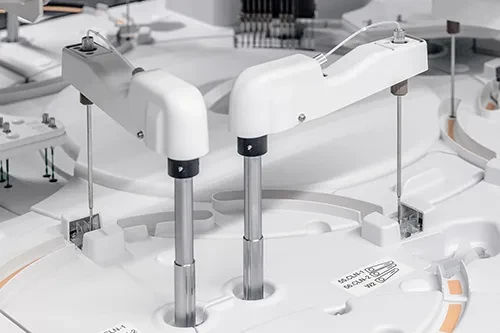
Additive manufacturing builds components layer by layer from digital models, enabling complex geometries impossible with traditional methods. In the automotive industry, this technology produces lightweight, optimized parts while reducing material waste.
Common automotive applications include prototype development, custom tooling, and end-use parts like brackets, sensors housings, and even some structural components in high-performance vehicles.
Precision Casting
Precision casting processes like investment casting and die casting create complex metal components with excellent surface finish and dimensional accuracy. The automotive industry relies on these methods for producing engine cylinder heads, intake manifolds, and transmission cases.
Modern casting techniques achieve tolerances of ±0.005 inches, minimizing the need for additional machining and reducing production time.
Electrical Discharge Machining (EDM)
EDM uses electrical discharges to shape metal workpieces with extreme precision, making it ideal for hard materials and complex shapes. In the automotive industry, EDM creates dies, molds, and precision components like fuel injector nozzles and turbine blades.
Wire EDM can cut intricate shapes with tolerances down to ±0.0001 inches, making it indispensable for producing tooling used in high-volume automotive production.
Laser Processing
Lasers provide unmatched precision for cutting, welding, marking, and surface treatment in automotive manufacturing. The automotive industry uses laser technology for applications requiring extreme accuracy, such as airbag initiators and sensor components.
Laser welding creates strong, precise joints with minimal heat-affected zones, making it ideal for joining dissimilar materials in electric vehicle battery packs and powertrain components.
Automated Assembly Systems
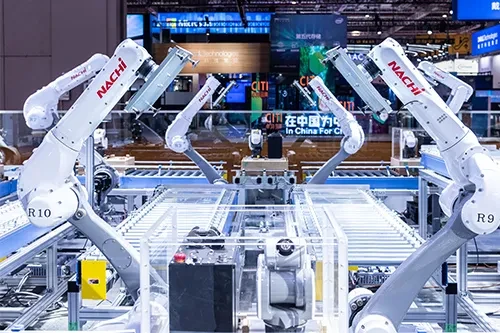
Robotic systems with advanced vision and force-sensing capabilities perform precision assembly operations with consistent accuracy. In the automotive industry, these systems handle tasks from inserting small components to torqueing fasteners to exact specifications.
Modern assembly cells can achieve repeatability within ±0.02mm, ensuring that thousands of components come together perfectly in each vehicle.
Precision Capabilities Comparison

Materials Science in Automotive Precision Manufacturing
The automotive industry's precision manufacturing capabilities are closely tied to the materials used and how they're processed
Metals: The Backbone of Vehicle Construction
Metals remain essential in the automotive industry due to their unique combination of strength, ductility, and machinability. Modern precision manufacturing processes have unlocked new potential in metal applications.
High-Strength Steel
Used in safety-critical components, precision-formed high-strength steel provides exceptional crash protection while reducing weight. Advanced manufacturing processes achieve complex shapes with tight tolerances.
Aluminum Alloys
Widely used for engine blocks, transmission cases, and body panels, aluminum offers significant weight savings. Precision machining of aluminum requires specialized techniques to achieve required tolerances.
Magnesium Alloys
The lightest structural metals, magnesium components require extreme precision in manufacturing due to their unique properties. Used in high-performance and electric vehicles to maximize efficiency.
Titanium
Offering an exceptional strength-to-weight ratio, titanium is used in high-performance automotive applications. Precision manufacturing of titanium components requires specialized equipment due to its strength.
Advanced Composites and Plastics
Non-metallic materials play an increasingly important role in the automotive industry, offering weight savings, design flexibility, and corrosion resistance when manufactured with precision.
Carbon Fiber Composites
Known for exceptional strength and light weight, carbon fiber components require precise manufacturing processes to ensure consistent quality and performance in structural applications.
Engineering Plastics
High-performance plastics like PEEK and nylon composites are precision-machined or molded into complex components such as fuel system parts, electrical connectors, and interior components.
Ceramics
Used in high-temperature applications like catalytic converters and brake components, ceramics require specialized precision manufacturing due to their brittle nature.
Hybrid Materials
Multi-material assemblies combine the best properties of different materials. Precision joining technologies enable strong, reliable bonds between dissimilar materials in the automotive industry.
Precision Measurement and Quality Control
Ensuring dimensional accuracy and consistency is critical in the automotive industry, requiring advanced measurement technologies
Advanced Measurement Technologies
Coordinate Measuring Machines (CMM)
CMMs use touch probes or laser scanners to measure complex 3D geometries with micron-level accuracy. In the automotive industry, they verify critical dimensions of engine components, ensuring perfect fit and function in assemblies.

Optical Measurement Systems
These non-contact systems use cameras and structured light to capture millions of data points, creating detailed 3D models for comparison against design specifications. They're essential for inspecting large surfaces in the automotive industry.
In-Process Monitoring
Sensors integrated into manufacturing equipment provide real-time data on cutting forces, temperatures, and tool wear. This allows for immediate adjustments, preventing defects in the automotive industry's production process.

Statistical Process Control (SPC)
In the automotive industry, SPC uses statistical methods to monitor and control manufacturing processes, ensuring consistent quality and identifying trends before defects occur.
Process Capability Analysis
Measures how well a process can produce components within specified tolerance limits, ensuring consistent quality in automotive manufacturing.
Control Charts
Graphical tools that track process variation over time, helping identify when automotive manufacturing processes are deviating from normal operation.
Six Sigma Methodology
A data-driven approach aiming for extremely high quality, with a goal of no more than 3.4 defects per million opportunities in the automotive industry.

Critical Applications in Modern Vehicles
Precision manufacturing enables the complex systems that define today's automotive industry

Engine and Powertrain Systems
The heart of any vehicle, engine components require the tightest tolerances in the automotive industry. Even minute variations can affect performance, fuel efficiency, and emissions.
Crankshafts and camshafts: Machined to within ±0.002mm to ensure proper valve timing and engine balance
Fuel injectors: Precision-machined nozzles with micron-sized openings control fuel atomization for optimal combustion
Turbochargers: Components spin at up to 250,000 RPM, requiring perfect balance and minimal clearances
Transmission gears: Extremely precise tooth profiles ensure smooth, efficient power transfer with minimal noise
Safety-Critical Components
Precision manufacturing directly impacts vehicle safety, with components that must perform flawlessly in emergency situations. The automotive industry adheres to the strictest standards for these parts.
Brake systems: Calipers, rotors, and master cylinders with precise tolerances ensure consistent, reliable stopping power
Airbag components: Precision initiators and inflators must activate with exact timing to protect occupants
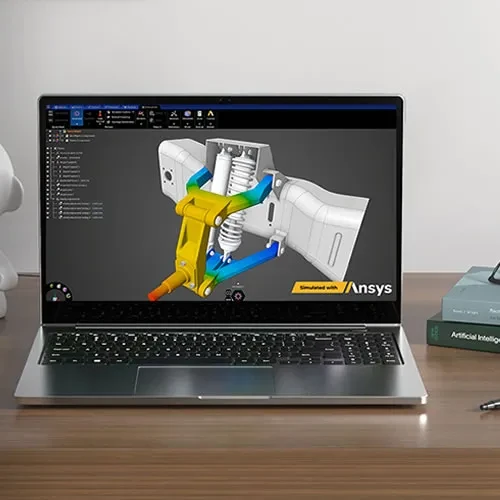
Suspension parts: Critical for vehicle stability and handling, requiring precise dimensions and material properties
Steering components: Minute tolerances in rack-and-pinion systems ensure precise control and feedback
Advanced Electronics and Sensors
Modern vehicles contain hundreds of electronic components, many requiring microscopic precision. The automotive industry's move toward autonomy has accelerated demand for these technologies.
ADAS sensors: LiDAR, radar, and camera components with precise alignment for accurate environmental detection
Circuit boards: Miniaturized electronics with precise soldering and component placement for reliable operation
Connector systems: Microscopic contact points ensuring reliable electrical connections in harsh environments
Actuators: Precision devices controlling everything from throttle position to adaptive headlights
Electric Vehicle Components
The shift to electric vehicles has introduced new precision manufacturing challenges in the automotive industry, particularly in battery and motor technologies.
Battery cells and packs: Precise manufacturing ensures consistent performance and safety in high-voltage systems
Electric motors: Precision windings and rotor balancing enable efficient operation with minimal noise and vibration
Power electronics: High-precision components manage electricity flow with minimal energy loss
Charging systems: Precision connectors and components ensure safe, efficient energy transfer
The Future of Precision Manufacturing in the Automotive Industry
Emerging technologies promise to push the boundaries of what's possible in automotive production
AI-Driven Manufacturing
Artificial intelligence will optimize production processes in the automotive industry by analyzing vast amounts of data to predict maintenance needs, adjust parameters in real-time, and continuously improve quality and efficiency.
Machine learning algorithms will enable predictive quality control, identifying potential defects before they occur based on subtle patterns in manufacturing data.
Digital Twins
Virtual replicas of manufacturing processes and components will allow the automotive industry to simulate production, test variations, and optimize performance before physical production begins, reducing waste and accelerating development.
These digital models will continuously sync with their physical counterparts, enabling real-time monitoring and optimization throughout the product lifecycle.
Collaborative Robotics
Next-generation robots with advanced sensing and AI capabilities will work alongside human operators in the automotive industry, handling precision tasks while adapting to changes in their environment.
These robots will offer unprecedented flexibility, easily reprogrammed for different tasks while maintaining the precision required for automotive components.
Nanoscale Manufacturing
Advances in nanotechnology will enable the automotive industry to create components with atomic-level precision, resulting in materials and parts with extraordinary properties not possible with conventional manufacturing.
Nanocoatings will provide superior wear resistance and reduced friction, while nanostructured materials will offer unprecedented strength-to-weight ratios.
Sustainable Precision
The automotive industry will increasingly integrate sustainability into precision manufacturing, developing processes that minimize waste, reduce energy consumption, and utilize recycled materials without compromising precision.
Closed-loop manufacturing systems will enable components to be precisely disassembled and recycled at the end of their lifecycle, creating circular economies.
Quantum Sensing
Quantum-based measurement technologies will provide unprecedented precision in the automotive industry, detecting variations at the atomic scale and enabling quality control beyond the capabilities of current systems.
These sensors will operate in harsh manufacturing environments while maintaining extraordinary sensitivity, opening new possibilities for process control.
Frequently Asked Questions

What distinguishes precision manufacturing in producing complex automotive parts from conventional manufacturing methods?
Precision manufacturing leverages advanced technologies such as CNC machining, 3D metal printing, and computer-aided design (CAD)/computer-aided manufacturing (CAM) integration to achieve tighter tolerances (often as low as ±0.001 mm), superior surface finishes, and consistent replication of intricate geometries. Unlike conventional methods, which may struggle with complex features like internal channels or asymmetric structures, precision processes minimize material waste, reduce post-production modifications, and ensure parts meet strict automotive safety and performance standards-critical for components like fuel injectors, transmission gears, and sensor housings.
How do precision manufacturing techniques ensure the reliability of complex automotive parts under extreme operating conditions?
Reliability is enforced through multi-layered quality control: real-time process monitoring (using sensors for temperature, pressure, and vibration), in-line metrology (e.g., coordinate measuring machines, optical scanners) for dimensional accuracy, and material testing (tensile strength, corrosion resistance). For high-stress parts like engine valves or suspension components, precision methods such as hot isostatic pressing (HIP) eliminate internal defects, while heat treatment processes (e.g., carburizing) enhance hardness and fatigue resistance. These steps ensure parts withstand temperature fluctuations, mechanical stress, and chemical exposure over extended lifespans.
Can precision manufacturing accommodate the diverse material requirements of modern automotive components?
Absolutely. Precision manufacturing excels with a wide range of materials, including high-strength alloys (aluminum 6061, titanium Ti-6Al-4V), advanced polymers (PA66 with glass fiber), and composites (carbon fiber-reinforced plastics). Specialized processes like EDM (Electrical Discharge Machining) handle hard metals that resist traditional cutting, while additive manufacturing (AM) enables complex designs in lightweight materials-vital for electric vehicle (EV) components where weight reduction and thermal management are key. Manufacturers also optimize material flow during processes like forging or injection molding to align grain structures, enhancing part performance.
What role does automation play in scaling precision manufacturing for high-volume automotive production?
Automation is pivotal for balancing precision with scalability. Robotic arms handle repetitive tasks like loading/unloading workpieces, reducing human error and increasing throughput. AI-driven process optimization adjusts parameters (e.g., feed rates, laser power) in real time based on sensor data, ensuring consistency across thousands of parts. Automated guided vehicles (AGVs) streamline material transport between stations, while digital twins simulate production flows to identify bottlenecks-critical for meeting the demands of mass automotive manufacturing without compromising quality.
How does precision manufacturing contribute to sustainability in the automotive industry?
Precision methods minimize waste through near-net-shape production, where parts are manufactured close to their final dimensions, reducing material scrap. Additive manufacturing, for instance, uses only the necessary material to build parts layer by layer, unlike subtractive methods that cut away excess. Energy-efficient machines (e.g., low-power CNC systems) and recycling of metal chips or polymer powders further lower environmental impact. Additionally, precision-engineered components (e.g., fuel-efficient injectors, aerodynamic structural parts) improve vehicle efficiency, reducing emissions over the product lifecycle.
What advancements in precision manufacturing are emerging to meet future automotive needs?
Emerging trends include nanoscale manufacturing for micro-sensors in autonomous vehicles, where components require sub-micron precision. Multi-material 3D printing allows the integration of metals, polymers, and electronics in a single part, simplifying assembly. Quantum sensing enhances metrology accuracy, enabling even tighter tolerances. Additionally, blockchain integration in supply chains ensures traceability of precision parts, critical for safety-critical applications. These advancements will support the shift toward electric, autonomous, and connected vehicles, where miniaturization, durability, and integration are paramount.