





Overview of CNC Machining
CNC machining, controlled by computers, produces high-precision parts and
components. In this process, a computer program controls the movement of the cutting
tools, which the CNC programming controls to
remove material from a workpiece to create a finished part.
CNC technology produces an array of parts and components, including those made
from metal, plastic, and other materials. The process can also produce parts with
complex geometries and high levels of precision, making it a popular choice for
applications in numerous industries,
including aerospace, automotive, medical devices, and consumer products.

It offers several advantages over traditional machining methods, including improved
accuracy, consistency, and speed, as well as the ability to produce complex geometries
and intricate details. It also allows for the use of advanced cutting tools and techniques,
such as multi-axis machining centers and high-speed machining, which can further
improve the efficiency and quality of the process.
The History of CNC Machining
Its history can be traced back to the 1940s when the first numerical control (NC)
machines were developed. Over time, these machines became more widespread and
sophisticated. This gave them the capability to fulfill the requirements of a variety of
industries including aerospace, automotive, and defense.

However, older NC machines still needed manual input and had limited capabilities.
The transformation of manufacturing began in the 1970s with the introduction of
computers, leading to a breakthrough: the first CNC machines. These advanced
machines, equipped with computer controls, could process data with unprecedented
speed and accuracy. This innovation allowed CNC operators to input commands
directly into the machine, which then automatically executed the necessary operations,
significantly streamlining the manufacturing process.
This was only the beginning of CNC machines as the technology continued to advance
over the years. The development of more advanced software and hardware along with
the introduction of new material and tooling options meant more possibilities for
manufacturing units.
Today, CNC machinery is common in multiple industries and is capable of producing a
diverse range of products with high levels of accuracy and precision.
How CNC Machining Works?
Contemporary CNC systems focus on minimizing human intervention as
much as possible. This ensures consistent and continuous performance,
which facilitates smart manufacturing and delivers excellent results.
However, CNC manufacturing requires careful consideration from the
initial design to the final manufacturing. The entire process works in three different steps:
1 – Design
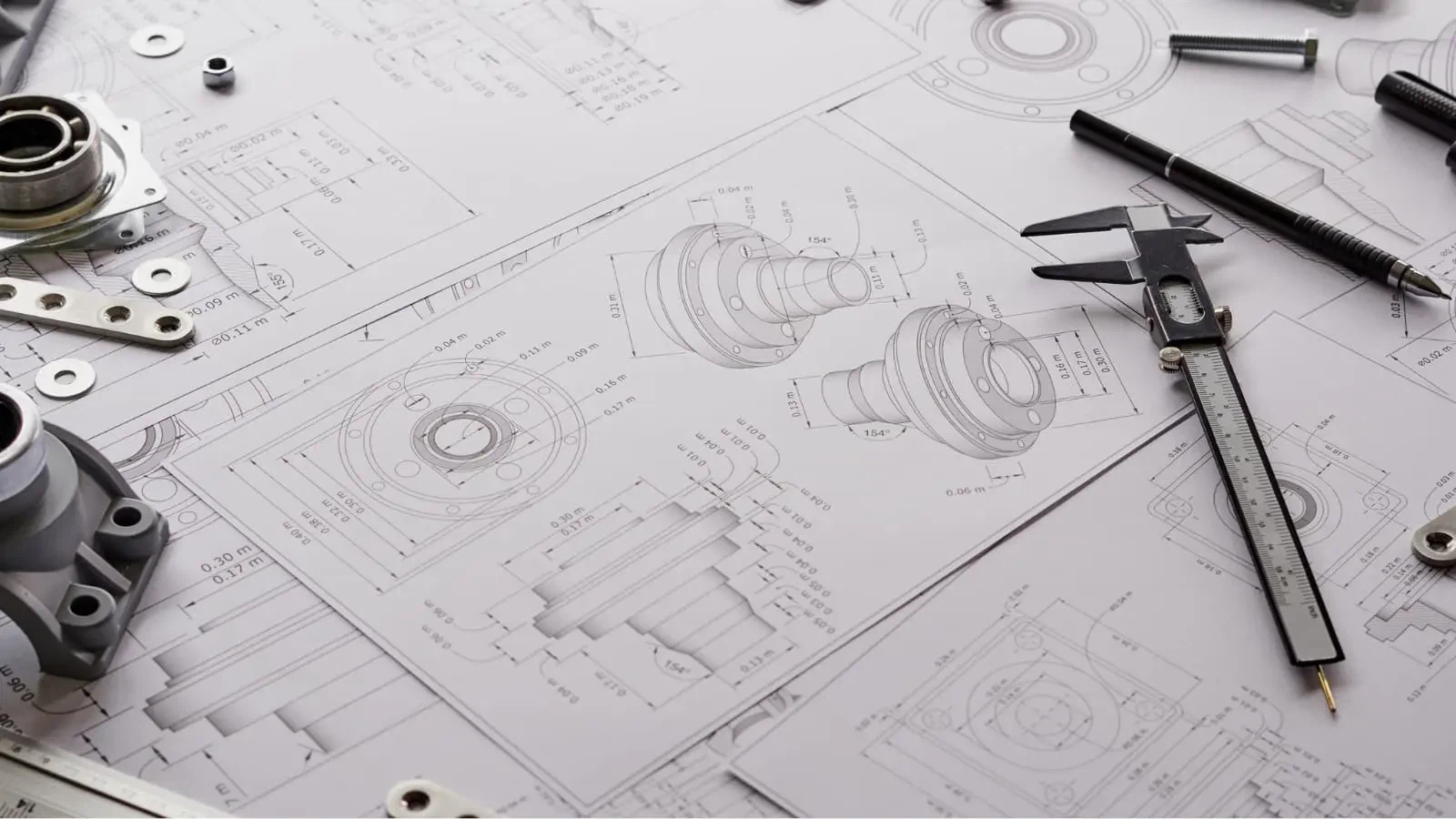
The first crucial step in CNC machining involves software applications like CAD, CAM,
and CAE. Engineers and designers rely on these tools to design parts and products, and
then assess their manufacturability. This assessment, known as Design for Manufacturing (DFM),
is vital. It ensures that the design is optimized to maximize efficiency and reduce costs,
all while working within the constraints of existing technology.
In most cases, the CAD tools available in the market come with an internal CAM tool,
which facilitates the pre-processing and programming.
After finalizing the CAD design, the designer converts it into a CNC-compatible file format,
typically STEP or IGES.
2 – Pre-processing and Programming
CNC machine programming primarily involves using G-codes and M-codes to
communicate with machines. These codes, generated by CAM packages, act as a
guide for the cutting tool's path in CNC operations.
Usually, if a design adheres to DFM (Design for Manufacturing) standards, CNC
machinists don't need to intervene in the pre-processing or operational stages.
However, if the design doesn't meet these standards, some level of manual intervention
may be required to guarantee optimal performance.
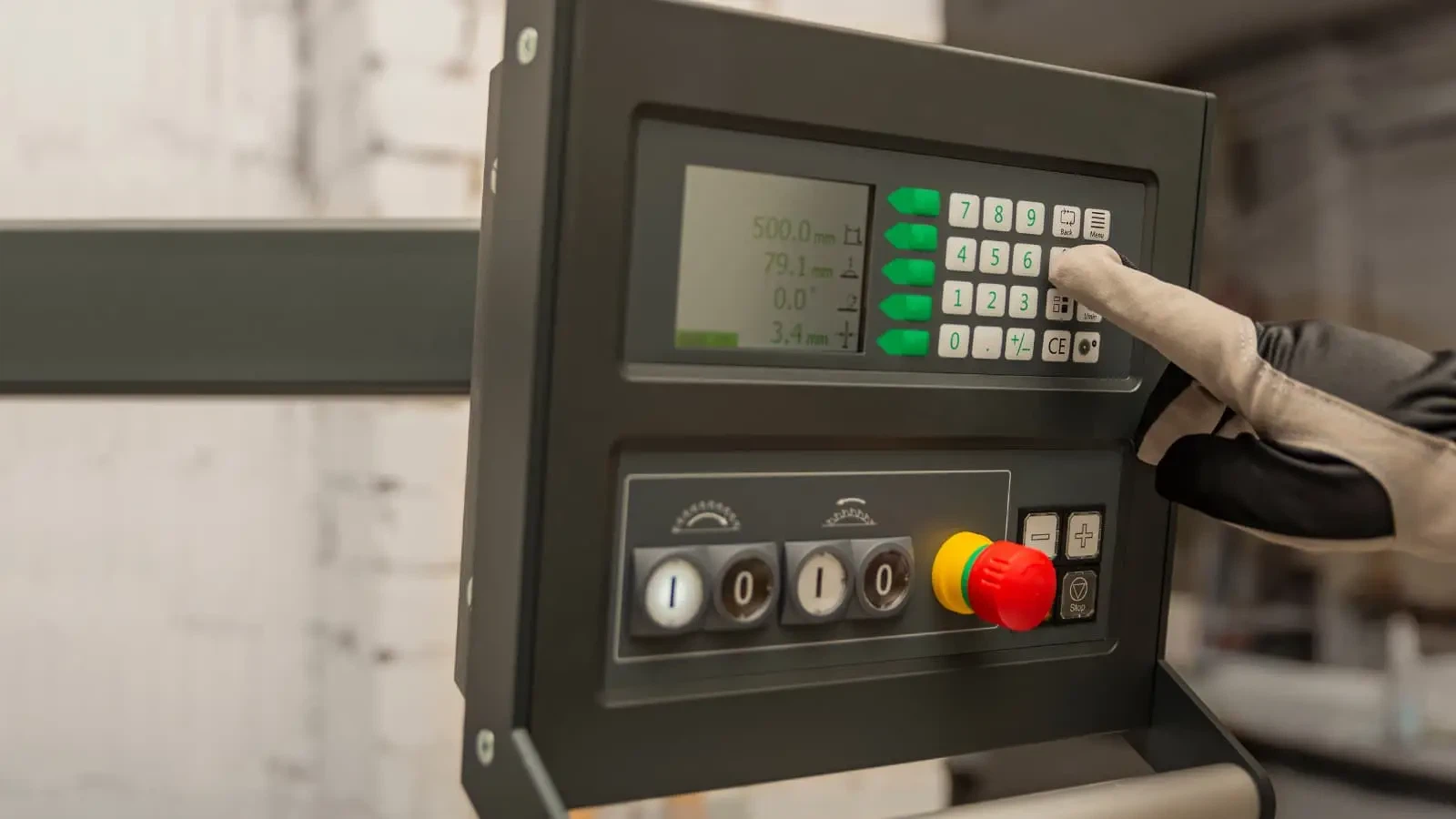
Pre-processing is a standard step in CNC machining, and its duration depends on the
design's quality. Programming the G-Codes or M-Codes typically takes just a few
minutes. However, the success of CNC programming hinges on the design's adherence
to DFM conventions. Accurate designs produce correct codes and satisfactory results,
while design flaws lead to erroneous codes and poor outcomes.
3 – Machining
The final stage is the machining process, which uses the provided codes from the
previous step to remove excess material from a block.
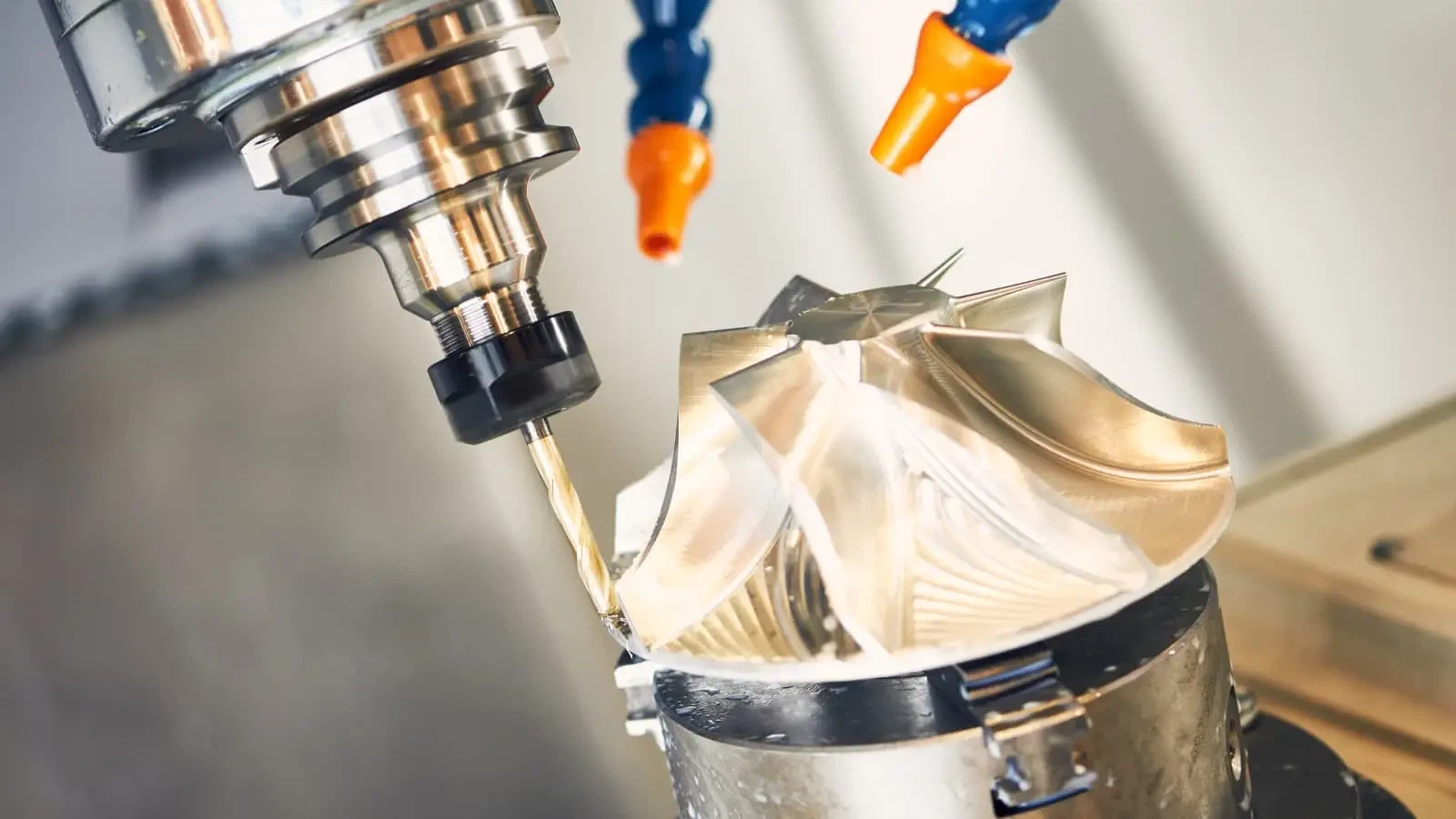
Precision in machine tooling is crucial, yet it's often challenging to replicate the exact
dimensions of a CAD model. This is why machinists typically apply standard ISO 2768
tolerances, which vary based on industry requirements. It's a widely accepted principle
that tighter tolerances lead to increased manufacturing costs.