





What Materials Work in Injection Molds?
Choosing the right material for injection molds isn't just about picking a plastic or metal off a list. The material you select directly impacts your part's strength, cost, production speed, and whether it survives in harsh environments. Polyethylene secured 36.70% of the plastics injection molding market in 2024, demonstrating how dominant certain materials have become across industries.
Material selection determines everything from mold design complexity to final part performance. With hundreds of thermoplastics, dozens of metal alloys, and specialized elastomers available, understanding which materials work-and why-saves manufacturers from costly mistakes. This article breaks down the primary material categories used in injection molds, their real-world applications, and emerging trends shaping material choices through 2025 and beyond.
Thermoplastics: The Workhorses of Injection Molds
Thermoplastics dominate injection molds because they can be melted, molded, and remolded multiple times without degrading. The injection molded plastic market was valued at USD 338.70 billion in 2024 and is projected to grow to USD 471.35 billion by 2034, reflecting the massive scale of thermoplastic manufacturing.
Commodity Thermoplastics: Cost-Effective Volume Production
Polypropylene leads the pack as the second most used plastic globally. The polypropylene segment dominated the injection molded plastic market share in 2024 due to its exceptional versatility, cost-effectiveness, and superior chemical resistance. PP offers high melting points, excellent impact strength, and resistance to stress cracking-making it ideal for automotive interior trims, HVAC housings, and packaging applications.
Polyethylene comes in multiple densities, each serving different purposes. High-density polyethylene provides incredible impact resistance and tensile strength with molecules so densely packed that it enhances toughness and rigidity. HDPE resists corrosion, abrasions, and chemicals, though it cannot withstand high-temperature environments. Marine construction, outdoor equipment, and chemical tanks rely heavily on HDPE's durability at relatively low material costs.
Acrylonitrile Butadiene Styrene combines three monomers to create a material that's flexible, lightweight, and easily moldable. ABS provides high impact resistance at mid-range costs and bonds well with adhesives and coatings. Molders can manipulate its final properties through temperature control during processing-lower temperatures yield more impact resistance while higher temperatures increase heat resistance. Consumer electronics casings, automotive components, and keyboard housings typically use ABS.
Polystyrene exists in both solid plastic and rigid foam forms. The solid version appears in medical devices like test tubes and Petri dishes, CD cases, and yogurt containers. Polystyrene faces structural decline in single-use cutlery amid regulatory crackdowns, pushing manufacturers toward more sustainable alternatives.
Engineering-Grade Thermoplastics: Enhanced Performance
Polycarbonate delivers strong impact resistance with low shrinkage and good dimensional stability. Available in optically clear grades, PC is naturally transparent and serves applications requiring both strength and visibility. Its excellent heat resistance makes it suitable for automotive headlamp lenses and transparent protective shields.
Polyamides, commonly known as nylons, offer high strength depending on glass fill content. Unfilled grades remain tough and flexible, while glass-filled versions provide rigidity for demanding applications. PBT provides good electrical properties for power components and works well for automotive applications with moderate to high strength. It resists fuels, oils, fats, and many solvents without absorbing flavors-useful for coffee makers, toasters, and food contact applications.
High-Performance Polymers: Extreme Environment Solutions
PEEK stands out with temperature resistance up to 260°C and high resistance to acids, bases, and organic solvents. PEEK is ideally suited for applications in the automotive and oil and gas industries with excellent mechanical properties, wear resistance, and dimensional stability. Aerospace, medical implants, and chemical processing equipment frequently specify PEEK when standard plastics fail.
Polyetherimide offers high heat resistance with a glass transition temperature of 217°C, maintaining strength and rigidity in continuous operating temperatures up to 340°F. Common industries that take advantage of Ultem include aerospace or aircraft components, and medical and pharmaceutical applications. PEI's resilience against heat exposure makes it ideal for applications requiring tight tolerances and minimal warping, including aircraft cabin panels and sterilizable medical devices.
Polyamide-imide represents the highest performance polymer that can be melt processed. PAI offers unmatched strength at elevated temperatures with a heat deflection temperature up to 539°F. Components can withstand extended exposure to 500°F and remain stronger at 400°F than most engineering polymers at room temperature. This makes PAI critical for aerospace, defense, and high-temperature industrial applications.
Metals for Metal Injection Molds: Precision and Strength
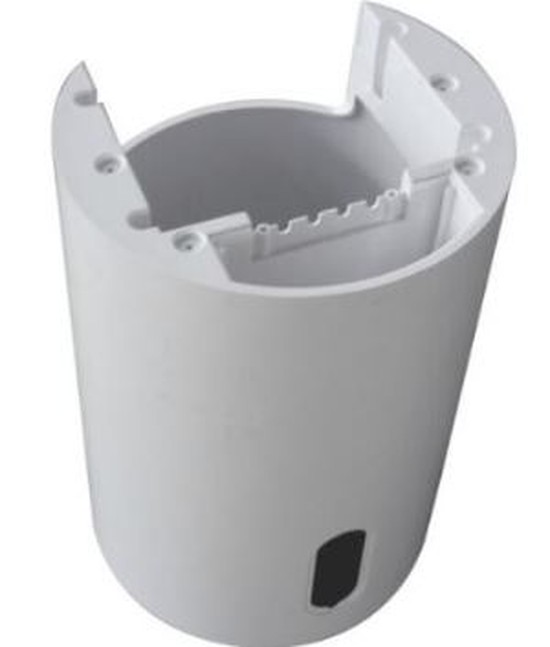
Metal injection molding combines powder metallurgy with plastic injection molding techniques to create complex metal parts. The global metal injection molding market was valued at USD 4.6 Billion in 2024 and is expected to reach USD 9.5 Billion by 2033, exhibiting a CAGR of 8.21%, demonstrating rapid growth in this specialized manufacturing method.
Stainless Steel Alloys: Corrosion-Resistant Leaders
Stainless steel leads the MIM market with around 51.6% market share in 2024. This dominance stems from stainless steel's durability, adaptability, and corrosion resistance. The material withstands harsh environments, making it ideal for surgical instruments, dental implants, and precision parts in demanding applications.
Grade 316L stainless steel is favored in MIM due to brilliant corrosion resistance and good mechanical properties. It appears in medical equipment, watch accessories including straps and buckles, and electronic product accessories like massager components and Bluetooth headset parts. Grade 17-4 PH stainless steel provides high strength with excellent corrosion resistance, commonly used in aerospace and marine hardware applications.
Titanium and Titanium Alloys: Lightweight Strength
Titanium alloys offer a unique combination of low weight, high strength, and exceptional corrosion resistance. Ti-6Al-4V, also called Ti64, serves as the ideal material for medical implants due to excellent biocompatibility. Ti-6Al-7Nb is preferred for hip prostheses, artificial knee joints, and bone plates where body compatibility is critical.
During the MIM process, titanium alloys are susceptible to contamination and require processing in inert protective gas environments. Despite processing challenges, titanium and Ti alloys outperform other biocompatible metals such as stainless steel and Co alloys in long-term implantation due to their low Young's modulus, strong fatigue resistance, and chemical inertness. Aerospace components, sporting equipment, and biomedical implants continue driving titanium MIM adoption.
Tool Steels and Specialty Alloys
Tool steel provides high hardness, excellent wear resistance, and high-temperature performance. T15 can reach hardness levels of 65 HRC after heat treatment, making it suitable for cutting tools and precision molds. H13 and M2 tool steels serve applications requiring durability under extreme conditions.
Cobalt-chromium alloys possess unique properties including high strength, excellent heat and corrosion resistance, good wear resistance, and dimensional stability during manufacturing. These properties make cobalt alloys valuable for medical implants and aerospace applications where reliability is non-negotiable.
Tungsten alloys exhibit high density, strength, and excellent corrosion resistance. MIM-produced tungsten components include radiation shields and high-temperature furnace parts for aerospace, defense, and medical industries. Tungsten's weight and strength characteristics make it irreplaceable in specific applications despite higher material costs.
Material Selection Framework: Matching Properties to Injection Mold Applications
Selecting the right material for injection molds requires balancing multiple factors against application requirements. Mechanical properties including strength, flexibility, and hardness must match the part's function. A bearing component needs different characteristics than a protective housing.
Corrosion resistance becomes critical for parts exposed to chemicals, moisture, or harsh environments. Materials like stainless steel MIM and nickel alloys provide excellent corrosion resistance for long-term use in aggressive conditions. Wear resistance matters in high-abrasion applications like automotive components, where hard tungsten alloys or stainless steels with carbides resist degradation.
Temperature performance defines material selection for many injection mold applications. Engineers and manufacturers are increasingly utilizing high-performance polymers such as PEEK, PEI, and bioresorbable plastics offering enhanced properties like higher strength, greater chemical resistance, and improved biocompatibility. Parts operating in extreme heat or cold require materials that maintain properties across temperature ranges.
Regulatory compliance and biocompatibility restrict material choices for medical devices and food contact applications. Implant-grade titanium MIM or cobalt-chromium alloys meet biocompatibility requirements for devices interacting with the human body. FDA approval and ISO certifications guide material selection in regulated industries.
Cost considerations affect material choice, especially for high-volume production. Polypropylene held 45% market share in 2024, driven by its lightweight nature, shock resistance, moisture resistance, low cost, and high molding capacity. Balancing performance requirements against material costs determines project viability.
Industry-Specific Material Applications
Automotive: Lightweighting and Performance
The automotive and transportation segment is set to expand at a 5.12% CAGR to 2030 driven by rising demand for lightweight, durable components. Thermoplastic elastomers are increasingly replacing conventional polymers as they have characteristics of both rubber and plastic while being lighter than other polymeric materials and steel.
The impact of using injection-molded materials in manufacturing auto components is clearly visible in an almost 40% reduction in vehicle weight. This weight reduction directly translates to improved fuel efficiency and reduced emissions, making material selection critical for meeting environmental regulations.
Polypropylene dominates interior automotive trims, while polycarbonate serves in headlamp lenses and glazing applications. Metal injection molding produces precision gears, turbocharger components, and fuel system parts where strength and tight tolerances are essential.
Medical Devices: Biocompatibility and Sterilization
The healthcare sector purchased USD 26.4 billion worth of injection-molded plastics in 2024, expected to reach USD 42.1 billion in 2030. Stringent regulatory scenarios regarding medical-grade polymers positively impact growth as manufacturers demand materials meeting safety standards.
PEI and PEEK serve as premium medical-grade resins for manufacturing medical parts and components. These materials provide excellent mechanical properties and resist chemicals and thermal degradation. Their ability to withstand repeated sterilization through autoclaving, gamma radiation, and chemical methods makes them indispensable for reusable medical devices.
Metal injection molding produces surgical instruments, orthodontic brackets, and implants requiring both precision and biocompatibility. Titanium's natural biocompatibility and corrosion resistance make it the preferred choice for long-term implants, while stainless steel serves instruments and temporary devices.
Packaging: Sustainability and Performance
The packaging segment dominated the market share in 2024 due to rising demand for lightweight, durable, and cost-efficient packaging solutions across industries. Food and beverage companies increasingly rely on plastic packaging to ensure product safety, extend shelf life, and reduce transportation costs.
The EU Packaging and Packaging Waste Regulation effective 2025 mandates 30% recycled content in PET food packaging by 2030, accelerating redesign of tooling and process parameters to handle higher-recycled blends. Manufacturers are specifying mono-material polyethylene and polypropylene packages that minimize material use without compromising strength.
The booming e-commerce sector fuels demand for protective packaging balancing strength with minimal material usage. Advancements in sustainable and recyclable plastics provide packaging manufacturers new opportunities to meet growing consumer and regulatory demands for eco-friendly solutions.
Electronics: Precision and Thermal Management
Electronics manufacturing requires materials offering dimensional stability, electrical insulation, and heat resistance. Acrylonitrile butadiene styrene retains its niche in consumer electronics casings due to its balance of properties and cost. Polycarbonate serves applications requiring transparency and impact resistance, such as display covers and protective lenses.
High-performance polymers like PEEK and PEI appear in components exposed to elevated temperatures or requiring excellent electrical properties. Metal injection molding produces connectors, switches, and heat sinks from copper alloys, leveraging their excellent thermal and electrical conductivity.
Emerging Material Trends and Innovations
Bio-Based and Recycled Materials
Sustainability drives major changes in material selection for injection molds. Bio-based polyamides produced from castor-bean oil are gaining interest in under-hood automotive parts due to inherent flame retardancy and lower carbon intensity. These materials help manufacturers reduce environmental impact while maintaining performance requirements.
Advanced recycling facilities capable of depolymerization and solvent-based purification are improving post-consumer polyethylene quality, enabling drop-in replacement for virgin resin. This advancement allows manufacturers to meet recycled content mandates without compromising part quality or mechanical properties.
Post-consumer recycled plastics and bio-based polymers face increasing adoption due to lower carbon footprints. Manufacturers are implementing closed-loop systems, reusing scrap in new molds to minimize waste. However, to preserve inherent quality and performance, the proportion of recycled content typically stays limited to 30% in critical applications.
Composite and Filled Materials
Glass-fiber and carbon-fiber reinforced polymers offer enhanced strength and stiffness for demanding applications. Glass-filled PBT resins provide rigidity but are prone to warping, requiring careful mold design. Carbon fiber reinforcement increases strength-to-weight ratios, making composites attractive for aerospace and automotive structural components.
Mineral-filled and metal-filled polymers modify properties including thermal conductivity, dimensional stability, and wear resistance. These fillers allow engineers to tailor material characteristics for specific applications without moving to entirely different material families.
Advanced Processing Materials
DuPont has introduced self-repairing elastomer materials extending mold life by 3 times, demonstrating how material science advances address manufacturing challenges. These innovations reduce tooling costs and improve production efficiency.
Conformal cooling channel materials and optimized feedstock formulations improve thermal management in both molds and final parts. These advances enable faster cycle times and better part quality, particularly important for high-volume production environments.

Processing Considerations for Different Materials
Temperature Control and Melt Flow
Each material requires specific processing temperatures. Commodity thermoplastics like polypropylene and polyethylene melt at relatively low temperatures between 160-260°C, making them easy to process with standard equipment. Engineering plastics require higher temperatures, typically 250-300°C, demanding more robust heating systems.
High-performance polymers push processing limits. PEEK melts around 343°C, while PAI requires temperatures exceeding 300°C before reaching optimal flow characteristics. These extreme temperatures necessitate specialized equipment with precise temperature control and corrosion-resistant components.
Metal injection molding feedstock behaves differently than pure thermoplastics. The powder-binder mixture requires careful rheology management to ensure uniform flow and complete mold filling. After molding, debinding and sintering add complexity but enable production of parts with greater than 98% theoretical density.
Mold Design and Tool Wear
Material selection directly impacts injection mold design requirements. Abrasive materials like glass-filled polymers accelerate tool wear, necessitating harder mold materials or protective coatings. High-temperature materials may require conformal cooling channels to manage heat and maintain cycle times.
Part geometry interacts with material flow characteristics. Thin-wall sections require materials with excellent flowability, while thick sections need materials that don't shrink excessively during cooling. Understanding how each material behaves in the injection mold prevents defects like warpage, sink marks, and incomplete filling.
Drying and Moisture Management
Many engineering plastics are hygroscopic, absorbing moisture from the air. Moisture content must stay below 0.04% for materials like PC+ABS to ensure stable processing parameters. Inadequate drying causes defects including bubbles, surface imperfections, and degraded mechanical properties.
Drying requirements vary by material. Some thermoplastics need only basic desiccant drying, while others require vacuum drying at specific temperatures for hours before processing. High-performance polymers demand the most stringent moisture control to prevent thermal degradation during molding.
Quality Control and Testing
Material verification ensures incoming feedstock meets specifications. Melt flow index testing, density measurements, and moisture analysis confirm material consistency batch-to-batch. Traceability becomes critical in regulated industries where material certifications must accompany finished parts.
First article inspection validates that the chosen material produces parts meeting dimensional and mechanical requirements. Tensile testing, impact testing, and hardness measurements verify the material performs as expected after molding. Environmental testing subjects parts to temperature cycling, chemical exposure, and accelerated aging to confirm long-term durability.
Statistical process control monitors key parameters including melt temperature, injection pressure, and cooling time. Variations in these parameters can indicate material inconsistencies or equipment drift before defects occur. Real-time monitoring with IoT sensors detects deviations, maintaining quality while reducing waste.
Cost Optimization Strategies
Material costs represent a significant portion of part price, especially for specialty polymers and metal alloys. Volume purchasing and supplier relationships help negotiate better pricing for high-volume production. However, the cheapest material rarely proves most economical when processing difficulties or quality issues arise.
Regrind utilization reduces waste costs by reprocessing scrap material. Commodity thermoplastics tolerate high regrind percentages, while engineering plastics and high-performance polymers require lower percentages to maintain properties. Metal injection molding feedstock can incorporate recycled binder components, though metal powder recycling requires careful powder characterization.
Design optimization minimizes material usage without compromising performance. Wall thickness reduction, strategic ribbing, and hollow features decrease material consumption per part. These design changes often require premium materials but deliver overall cost savings through reduced material usage and faster cycle times.
Frequently Asked Questions
Can you mix different materials in one injection molded part?
Yes, through overmolding or two-shot molding processes. These techniques bond different materials together, combining properties like rigid structural elements with soft-touch grips. Material compatibility requires careful selection to ensure proper adhesion and avoid chemical incompatibility during processing.
How do you know if a material is suitable for injection molding?
Material suitability depends on melt flow characteristics, processing temperature range, and shrinkage behavior. Manufacturers provide technical datasheets specifying recommended processing windows. Prototype testing with small runs validates that the material produces acceptable parts before committing to production tooling.
What's the difference between thermoplastics and thermosets for injection molding?
Thermoplastics can be melted and remolded multiple times, while thermosets undergo irreversible chemical curing. Thermoplastics dominate injection molding due to faster cycle times and material recyclability. Thermosets serve specialized applications requiring extreme heat resistance or dimensional stability exceeding thermoplastic capabilities.
Why are high-performance polymers so expensive?
High-performance polymers require complex synthesis processes and specialized raw materials. Their extreme processing temperatures demand robust equipment with corrosion-resistant components. However, their superior properties often justify costs by replacing metals, reducing assembly operations, or extending service life beyond conventional materials.
How does material choice affect cycle time?
Materials with better flow characteristics fill molds faster at lower pressures. Faster cooling materials with higher thermal conductivity reduce the cooling phase, which typically consumes 50-70% of cycle time. Optimizing material selection for specific part geometry minimizes cycle time while maintaining quality.
Can you use recycled materials in critical applications?
Yes, but with limitations. Medical and aerospace applications often prohibit recycled content due to regulatory requirements and performance criticality. Automotive and consumer goods increasingly incorporate recycled materials, though percentages stay below 30% for parts requiring high mechanical properties. Material testing and certification ensure recycled content meets performance requirements.
What determines if metal or plastic is better for a part?
Metal offers superior strength, heat resistance, and wear characteristics but costs more and weighs more. Plastic provides design flexibility, lower production costs, and corrosion resistance. The decision balances mechanical requirements, environmental conditions, production volumes, and cost targets. Many applications now use high-performance polymers to replace metals, capturing benefits of both material classes.
How do material properties change after molding?
Molecular orientation during injection creates anisotropic properties-strength varies by direction relative to flow. Semi-crystalline materials develop crystallinity during cooling, affecting final mechanical properties. Post-molding treatments including annealing, stress relieving, or curing can modify properties, particularly for thermosets and certain high-performance thermoplastics.
Material Selection: Engineering Success from the Start
Material selection shapes every aspect of injection molded part performance, from initial prototyping through years of field service. Understanding the properties, processing requirements, and application suitability of thermoplastics, metals, and specialty materials enables informed decisions balancing performance against cost.
The injection molds materials landscape continues evolving with sustainability demands, performance requirements, and regulatory pressures. Bio-based polymers, recycled content, and advanced composites expand designers' options while challenging processors to master new materials. Success requires partnering with material suppliers, molders experienced with specific material families, and testing laboratories capable of validating performance.
Whether you're selecting commodity thermoplastics for consumer packaging or titanium alloys for medical implants, material choice determines project success. Invest time understanding material behavior, processing windows, and long-term performance characteristics. The right material, properly processed, delivers parts that exceed expectations and withstand real-world demands.