





What Is Steel Tool?
Steel tool is just what we call a production mold cut from tool steel. The rubber sits in the cavity, you apply heat and pressure, the part cures. That's it.
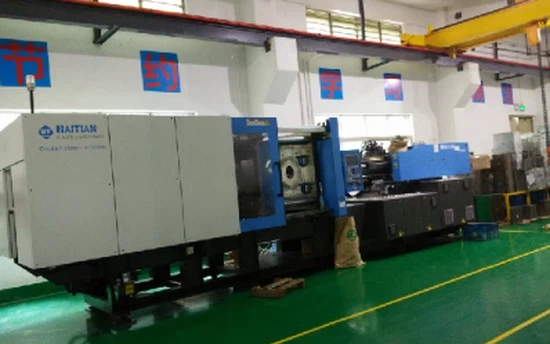
I've been sourcing molds from ABIS in Shenzhen for about six years now. They run presses from 80T up to 1600T in that shop. My account rep over there is Mike, been dealing with him since 2019. Most of my rubber tooling goes through their Longgang facility.
Why steel instead of aluminum
Aluminum is faster to cut. Everybody knows that. But aluminum doesn't hold up when you're running LSR at 180°C shot after shot. The cavity starts washing out around 20k cycles. I learned this the hard way on a run of EPDM gaskets back in 2021. The parting line on the aluminum tool was shot by shot 18k. Pulled the tool, shelved it, ordered steel. Should have done that from day one.
Steel costs more up front. A simple four-cavity compression tool in P20 from ABIS runs maybe $4,500 to $6,000. Same geometry in 7075 aluminum would be $2,800, maybe $3,200. But the aluminum won't make it past 30k shots on most compounds. Do the math on your annual volume.

Steel grades ABIS actually stocks
P20 is their bread and butter for rubber molds. Pre-hardened, 28 to 32 HRC out of the warehouse. Good for runs up to maybe 150k shots on softer compounds. NBR, silicone, EPDM, all fine.
S136 they use for medical and food-contact work. Stainless, polishes out to a mirror. I've had them run 420SS on a few jobs too when the customer spec'd it. More expensive to machine. Takes longer. Add two weeks to your lead time if you go stainless.
H13 is what they put in when the mold sees sustained high temps. Above 200°C you want H13 or you'll get softening in the cavity blocks. NAK80 shows up on some of their quotes for optical-grade work but that's more common on the plastic side.

Heat treatment
P20 usually ships without additional heat treat. It's pre-hardened. Some customers want nitriding on top of that for abrasion resistance if they're running high-filler compounds. Carbon black at 50 phr wears faster than you'd think.
H13 and S136 both go out for heat treat after rough machining. ABIS uses an outside vendor for this. Adds about ten days to the build. Parts come back and need finish grinding because nothing holds dimension perfectly through the quench and temper cycle.
Surface finish
Standard machine finish off CNC is around 63 Ra. For most industrial rubber parts that's acceptable. You can see tool marks on the part but nobody cares on a weatherseal.
For cosmetic work or food-grade silicone, you need polish. ABIS does hand polish in-house up to SPI A-2 or so. Mirror polish on a deep cavity takes time. I've seen quotes come back with $800 to $1,500 added just for polish on a complicated part.
They work with Mold-Tech for textures. I've done leather grain, geometric patterns, a couple logos. Texture adds lead time, usually a week or two depending on depth and area.
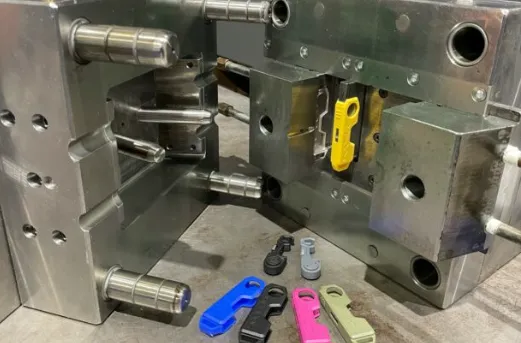
How ABIS builds rubber molds
Compression molds are simple. Two plates, cavity in one or both, rubber goes in, press closes, heat and pressure. These are cheap and fast to cut.
Transfer molds have a pot on top where you load the rubber. Plunger pushes it through sprues into the cavities. Better for parts with tight tolerances or metal inserts. More expensive to build because of the pot and runner system.
Injection rubber molds are similar to plastic injection but the thermal setup is reversed. The runner system stays cold, the cavity plates run hot. ABIS buys cold runner systems from outside suppliers and machines them into the mold base.
Real job I ran through them
Last year I had a German automotive customer who needed 600 transmission seals in four weeks. Steel tool would take eight to ten weeks minimum. We went silicone rubber mold for the first 200 pieces, shipped them out while the P20 tool was being cut. Once the steel was ready we ran the balance. Customer got their parts on time, we didn't eat late fees.
Another job was a run of 44 overmolded silicone buttons for a medical device. Had brass inserts molded in. ABIS quoted the steel tool at $8,500. Parts came out clean, no flash, inserts stayed put. We're still running production on that tool two years later.
Lead times from Shenzhen
A typical rubber mold from ABIS is six to ten weeks PO to T1 samples. Depends on complexity, cavity count, steel grade. Stainless adds time. Multi-cavity adds time. Sliders and lifters add time.
Shipping to the US is another two to three weeks by sea. Air freight cuts it to a week but triples the cost. Most of my customers can wait for ocean.

What I tell new engineers
Draft angle matters. Half a degree minimum on every wall or the part sticks. ABIS will flag this in DFM but you should catch it yourself before you send the print.
Wall thickness should stay above 0.8 mm on the part. Thinner than that and the rubber tears when you demold, especially on silicone.
Round your inside corners. Sharp corners concentrate stress in the steel. The cavity cracks or the rubber part tears. Either way you lose.
Vent your parting line. Trapped air causes burns and short shots. ABIS cuts 0.02 mm deep vents in the parting face. Sometimes you need more. You figure this out on the first shots and adjust.
Cost comparison
Steel tool: $4,500 to $15,000 depending on size, cavities, steel grade.
Aluminum tool: $2,000 to $5,000 same parameters.
Silicone rubber prototype mold: $350 to $800.
Pick based on your volume. Under 200 pieces, rubber mold makes sense. 200 to 5,000, aluminum might work if the compound isn't abrasive. Above 5,000, steel is the only choice that doesn't get you into trouble later.
That's about everything worth knowing on steel tooling for rubber. Nothing complicated, just a lot of small details that add up. Get them right and the tool runs for years. Get them wrong and you're on the phone with your supplier explaining why you need emergency repairs.