





How Is Automotive Injection Molding Transforming Modern Vehicle Manufacturing?
Picture this: you slide into your car's driver's seat, fingers wrapping around the steering wheel while your eyes scan the dashboard. Every surface you touch, every component surrounding you-from the sleek console to the protective bumper outside-tells a story of manufacturing evolution. Behind these seemingly simple plastic parts lies a sophisticated process that's quietly revolutionizing how vehicles are built. The automotive injection molding process has become the invisible architect of modern transportation, reshaping not just how cars look, but how they perform, consume energy, and impact our planet.
The numbers paint a compelling picture. The automotive plastic injection molding market surged from USD 20.1 billion in 2024 to a projected USD 34.6 billion by 2034, representing a robust 5.6% compound annual growth rate. But these figures barely scratch the surface of a transformation that's touching every corner of vehicle production-from the battery enclosures powering tomorrow's electric vehicles to the intricate dashboard assemblies that define today's driving experience.
Why Has Automotive Injection Molding Become Indispensable to Vehicle Production?
Walk through any modern automotive assembly plant and you'll witness a fundamental shift. Where metal once dominated, engineered plastics now reign. This isn't about cutting corners-it's about reimagining what's possible. The transition reflects mounting pressure on manufacturers to solve three interconnected challenges: reducing vehicle weight, meeting increasingly stringent emissions regulations, and delivering the performance consumers demand.
Traditional metal fabrication couldn't keep pace with these demands. Steel components, while strong, carry weight penalties that directly impact fuel efficiency and range-particularly critical as electric vehicles reshape market expectations. Enter injection molding, a process that injects molten thermoplastic material into precision-engineered molds under extreme pressure, creating components that match or exceed metal's structural integrity at a fraction of the weight.
The automotive sector's embrace of this technology stems from its remarkable versatility. A single injection molding machine can produce everything from tiny electrical connectors to massive bumper assemblies, each with tolerances measured in fractions of a millimeter. This precision matters tremendously in modern vehicles where parts must integrate seamlessly with electronic systems, safety features, and aerodynamic designs.
Material science advancements have unlocked possibilities that seemed impossible a decade ago. Polypropylene compounds now withstand the thermal extremes under vehicle hoods while maintaining structural stability through hundreds of thousands of miles. Polycarbonate formulations deliver optical clarity for headlight housings while resisting yellowing from UV exposure. Glass-fiber reinforced composites achieve strength-to-weight ratios that challenge traditional metals, all while enabling complex geometries impossible through stamping or casting.
What Makes Automotive Injection Molding So Different from Other Manufacturing Methods?
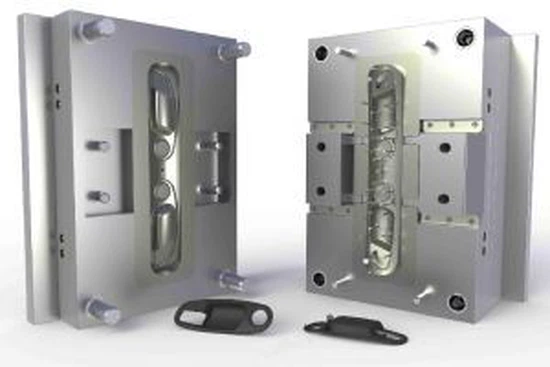
The process itself operates with mechanical ballet precision. Plastic pellets funnel into a heated barrel where temperatures soar beyond 400°F, transforming solid material into viscous liquid. A reciprocating screw mechanism builds pressure-often exceeding 20,000 PSI-before forcing this molten material through precisely sized gates into waiting mold cavities. Within seconds, cooling channels circulating temperature-controlled fluid extract heat, solidifying the plastic into its final form. The mold halves separate with hydraulic force, ejector pins deploy, and a finished component emerges-all in cycles measuring 30 to 90 seconds.
This speed becomes transformative at scale. A production line running 24/7 can generate millions of identical parts annually, each meeting stringent automotive quality standards. The economics shift dramatically compared to metal fabrication. While injection molds require substantial upfront investment-often ranging from $15,000 to $100,000 depending on complexity-the per-unit cost plummets once production begins. Material costs remain predictable, and unlike stamping dies that wear after millions of cycles, properly maintained injection molds can produce tens of millions of parts.
The design freedom injection molding provides changes how engineers conceptualize components. Traditional manufacturing imposed constraints-bend radii, draft angles, tooling access. Injection molding eliminates many of these limitations. Designers can incorporate snap-fit assemblies that eliminate fasteners, texture surfaces for improved grip or aesthetics, and integrate multiple functions into single components. Dashboard assemblies that once required dozens of separate pieces assembled with screws and clips now emerge as unified structures with mounting points, clips, and decorative elements molded directly into the part.
Where Does Automotive Injection Molding Create the Most Impact Across Vehicle Systems?
Interior components represent injection molding's most visible triumph. Dashboard assemblies showcase the technology's capabilities-these massive, complex structures integrate everything from air vent housings to electronic display bezels, all while meeting strict safety regulations for impact resistance and low VOC emissions. Modern dashboards might incorporate five or six different plastic materials, each chosen for specific properties. Polypropylene forms the structural foundation, ABS provides Class A surface quality for visible areas, and TPE (thermoplastic elastomer) delivers soft-touch zones around controls.
Door panel production illustrates injection molding's evolution. Early plastic door panels were simply decorative covers. Today's versions integrate structural elements, house electronic controls, accommodate side-impact airbags, and feature acoustic dampening-all achieved through strategic material selection and design optimization. A typical door panel might weigh 60% less than its metal predecessor while improving safety performance and enabling features impossible with traditional materials.
Center consoles have transformed from simple storage boxes into sophisticated command centers housing transmission controls, climate systems, charging ports, and infotainment interfaces. Automotive injection molding enables these multifunctional hubs by allowing designers to create complex internal structures-wire routing channels, mounting points, reinforcement ribs-all molded as integral features rather than added assemblies.
Exterior applications push material performance boundaries. Bumper assemblies must absorb low-speed impacts without permanent deformation, resist weathering across temperature extremes from -40°F to 180°F, and maintain color stability despite constant UV exposure. Glass-fiber reinforced polypropylene compounds achieve these requirements while cutting weight by 30-40% compared to metal bumpers. The material's ability to flex and return to shape actually improves pedestrian safety by reducing injury severity in collisions.
Grille assemblies demonstrate injection molding's aesthetic potential. Modern grilles incorporate intricate geometries-varying bar thicknesses, textured surfaces, integrated lighting elements-that would be prohibitively expensive to produce through metal fabrication. Plastic's design flexibility lets manufacturers create distinctive brand identities while optimizing airflow for cooling and aerodynamics.
Under-hood applications face perhaps the most demanding conditions. Engine covers, air intake manifolds, and cooling system components endure sustained temperatures exceeding 300°F, exposure to automotive fluids, and constant vibration. High-performance plastics like nylon with glass fiber reinforcement and specialty compounds like PPS (polyphenylene sulfide) meet these challenges while reducing weight and enabling acoustic improvements. A plastic engine cover might weigh 5 pounds versus 15 for stamped steel while providing superior sound dampening.
How Is Electric Vehicle Growth Accelerating Automotive Injection Molding Innovation?
The electric vehicle revolution has created entirely new applications for automotive injection molding technology. Battery enclosure systems represent the most significant opportunity and challenge. These massive structures must protect battery cells from road debris and moisture, provide thermal management, withstand crash forces, and minimize weight to maximize vehicle range. Traditional materials like steel and aluminum currently dominate, but thermoplastic composites are rapidly gaining ground.
Recent developments showcase the technology's potential. Engel, working with SABIC and Forward Engineering, developed a proof-of-concept battery enclosure for Volkswagen's ID.4 platform using injection molding. The design features a three-piece structure: an injection-molded cover incorporating flame-retardant polypropylene sandwiched between organosheet layers, a structural tray with 37 metal inserts and integrated cooling channels, and a steel underbody panel. This hybrid approach demonstrated 25-30% weight reduction versus all-metal alternatives while meeting stringent safety requirements.
Lucid Motors' Lucid Air battery electric vehicle showcases commercial implementation, featuring a one-shot insert-molded module housing using 20% glass-filled polycarbonate. This approach consolidates components, reduces assembly time, and achieves weight targets critical for the vehicle's industry-leading range performance.
Battery housing applications demand flame retardancy that meets UL94 V-0 standards-the most stringent classification. Material suppliers have responded with specialized compounds incorporating flame retardant additives that don't compromise mechanical properties. SABIC's Stamax long-glass-fiber polypropylene line, for example, achieves V-0 ratings while maintaining the stiffness and impact resistance required for structural applications.
Thermal management becomes critical in EV battery systems. Unlike traditional vehicles where cooling systems handle relatively constant heat loads, battery packs experience dramatic temperature swings during charging and high-performance driving. Injection-molded components can integrate cooling channels directly into structures, enabling more efficient heat transfer than bolt-on systems. Some designs incorporate metal inserts at strategic locations, creating hybrid structures that optimize thermal conductivity where needed while maintaining plastic's weight and design advantages elsewhere.
Interior components in electric vehicles face different requirements than conventional cars. Without engine noise for sound masking, materials must provide superior acoustic dampening. The absence of a transmission tunnel changes interior packaging, creating opportunities for innovative console designs. Reduced under-hood servicing needs allow more integrated front-end structures. These shifts create new opportunities for injection-molded components optimized for EV-specific requirements.
What Role Does Automotive Injection Molding Play in Advancing Sustainability Goals?
Sustainability has evolved from marketing talking point to operational imperative, fundamentally changing how the automotive injection molding industry operates. The transformation touches every aspect-from material sourcing through end-of-life recycling.
Material innovation leads this shift. Bio-based plastics derived from renewable feedstocks are transitioning from experimental to production-ready. CJ Biomaterials' PHA/PLA blends achieve over 50% bio-content while matching conventional plastic performance. Avient's Maxxam BIO polyolefins incorporate up to 40% natural cellulose filler, reducing petroleum-based content while cutting component weight. These materials require process adjustments-different temperature profiles, modified cooling strategies-but deliver carbon footprint reductions of 30-40% versus conventional resins.
Recycled content integration represents another frontier. Post-consumer recycled (PCR) and post-industrial recycled (PIR) materials now appear in automotive applications previously reserved for virgin resins. Advanced mechanical recycling processes clean and re-pelletize plastic waste, while chemical recycling breaks materials down to molecular building blocks, enabling true circular economy approaches. LCY Chemical's ISCC-certified recycled PP demonstrates that traceable, sustainable feedstocks can meet automotive quality standards.
The automotive sector's recycling infrastructure is maturing. At vehicle end-of-life, thermoplastic components can be separated, ground, and reprocessed. Modern vehicles use over 300 pounds of plastics on average-potentially recovering millions of tons annually. Some manufacturers achieve recycling rates exceeding 85% for end-of-life vehicles in markets with established infrastructure.
Design for recyclability principles are becoming standard practice. This means avoiding mixed materials that complicate separation, using compatible plastic families that can be recycled together, and marking components with resin identification codes. Some manufacturers pursue monomaterial designs where entire assemblies use variants of a single polymer family-different grades optimized for different functions but all recyclable through the same stream.
Process efficiency improvements reduce environmental impact during manufacturing. All-electric injection molding machines cut energy consumption by 30-50% versus hydraulic alternatives by eliminating constantly running hydraulic pumps. Nissei's Nova5eT series demonstrates this potential with 15% smaller footprints, faster heat-up, and shorter cycle times-all translating to reduced energy per part. Optimized cooling systems, improved mold designs, and better process controls further minimize resource consumption.
Lightweighting remains sustainability's most immediate impact. Every 10% reduction in vehicle weight improves fuel economy by 6-8% in conventional vehicles and extends EV range by similar margins. Injection-molded components enable these weight reductions across vehicle systems. Replacing metal door panels saves 3-5 pounds per door. Plastic front-end modules cut 15-20 pounds. Even small components accumulate-replacing metal clips and brackets with plastic equivalents might save only ounces per part, but hundreds of such substitutions across a vehicle add up to meaningful weight reduction.
How Are Industry 4.0 Technologies Revolutionizing Automotive Injection Molding Operations?
Smart manufacturing transforms injection molding from mechanical process to data-driven operation. IoT sensors embedded throughout machines collect real-time data on injection pressure, melt temperature, cycle times, and dozens of other parameters. This information flows through factory networks to analytics platforms that transform raw numbers into actionable insights.
Predictive maintenance represents one of Industry 4.0's most immediate benefits. Sensors monitoring vibration patterns, temperature fluctuations, and pressure variations can detect developing problems before failures occur. Machine learning algorithms analyze historical data to predict component wear, enabling scheduled maintenance during planned downtime rather than disruptive emergency repairs. Manufacturers report maintenance cost reductions of 20-30% and unexpected downtime decreases exceeding 50% after implementing predictive maintenance systems.
Quality control advances dramatically through real-time monitoring. In traditional operations, quality checks occurred after production-parts were molded, cooled, and then inspected. Defects discovered hours or days after molding meant hundreds or thousands of non-conforming parts required scrapping. IoT-enabled quality systems monitor critical parameters during each cycle, comparing actual values against specification windows. Deviations trigger immediate alerts, allowing operators to make corrections before defects accumulate.
Advanced vision systems employ AI-powered image recognition to inspect parts at production speeds. These systems detect surface defects, dimensional variations, and color inconsistencies that might escape human inspection. Some implementations achieve 99.9% defect detection rates while inspecting 100% of production-impossible with manual sampling approaches.
Digital twins create virtual replicas of physical injection molding processes. Engineers can test parameter changes, evaluate new mold designs, or troubleshoot problems in the digital environment before implementing changes on the shop floor. This capability accelerates development cycles and reduces costly trial-and-error iterations. Simulation software predicts how material will flow through complex mold geometries, identifying potential problems like air traps, weld lines, or incomplete filling before cutting steel.
Automation extends beyond the injection molding machines themselves. Collaborative robots (cobots) handle part removal, inspection, and packaging tasks. Unlike traditional industrial robots requiring safety caging, cobots work alongside human operators, adapting to changing conditions and sharing workspace safely. Automated guided vehicles (AGVs) transport materials between workstations, eliminating manual material handling and optimizing workflow.
Cloud computing enables manufacturers to aggregate data across multiple facilities, comparing performance metrics, sharing best practices, and identifying optimization opportunities. A problem solved at one plant can be immediately communicated to similar operations worldwide. Central engineering teams can monitor production remotely, providing expert troubleshooting without travel delays.
These technologies converge in smart factories where machines communicate with each other, adjusting operations dynamically. If an upstream process runs slow, downstream equipment automatically adjusts cycle times to prevent bottlenecks. Material inventory systems track resin usage and automatically reorder supplies when stocks reach predetermined levels. Production scheduling software optimizes job sequences based on real-time machine availability, material inventory, and order priorities.
What Challenges and Opportunities Shape the Future of Automotive Injection Molding?
The path forward presents both obstacles and exciting possibilities. Initial investment requirements for advanced equipment create barriers, particularly for small and medium manufacturers. A single modern injection molding machine costs $100,000 to $500,000, and complete Industry 4.0 implementations might require millions in equipment, software, and infrastructure upgrades. However, manufacturers typically recover these investments within three to five years through efficiency gains, quality improvements, and reduced operating costs.
Workforce adaptation remains critical. Smart manufacturing demands different skills than traditional operations. Operators need data analysis capabilities alongside mechanical knowledge. Maintenance technicians must understand sensors and networks in addition to hydraulic and mechanical systems. Engineers require familiarity with simulation software, AI principles, and advanced materials. This shift necessitates significant training investments and sometimes personnel changes as companies transition to technology-intensive operations.
Supply chain considerations grow more complex. The semiconductor shortage that disrupted automotive production from 2021-2023 highlighted vulnerabilities in global supply networks. Injection molding depends on resin supplies often sourced internationally, specialized additives from limited suppliers, and sophisticated equipment with lengthy lead times. Nearshoring trends aim to reduce these vulnerabilities by establishing production closer to end markets, though this approach carries its own challenges around establishing new supplier relationships and infrastructure.
Material innovation continues accelerating. Researchers develop composites incorporating nanoparticles that enhance strength while maintaining processability. Self-healing polymers that repair minor damage extend component life. Recyclable thermosets combine the performance benefits of cross-linked materials with end-of-life recycling capabilities. These advances will enable applications currently beyond injection molding's reach.
Electric and autonomous vehicle development creates unprecedented opportunities. These vehicles require entirely new component ecosystems-from sensor housings to complex interior structures accommodating different usage patterns. Autonomous vehicles might eliminate traditional driver controls, creating blank-slate opportunities for interior design. The transition from ownership to mobility services changes durability and cleaning requirements. Each shift represents potential applications for injection-molded components.
Lightweighting pressures intensify as regulations tighten. The European Union's 2025 CO2 emission targets require new passenger cars to emit no more than 93 grams per kilometer-down from 130 g/km in 2015. Meeting these standards without compromising vehicle size and capabilities demands aggressive weight reduction. Automotive injection molding will play a central role in this transition, replacing remaining metal components and enabling structural innovations.
Customization and personalization trends challenge traditional mass production paradigms. Consumers increasingly expect products tailored to individual preferences-unique colors, textures, or features. Injection molding's economics favor long production runs amortizing mold costs across millions of parts. Addressing customization demands requires flexible manufacturing approaches-perhaps quick-change mold systems, modular designs enabling multiple variants, or hybrid processes combining injection molding with additive manufacturing for customized elements.
Regulatory compliance grows more demanding. Stricter safety standards require comprehensive testing and documentation. Environmental regulations mandate reduced emissions, recyclable materials, and transparency around supply chains. Quality management systems like IATF 16949 impose rigorous process controls. While these requirements increase operational complexity, they also favor established manufacturers with sophisticated systems and create barriers protecting market position.
The skilled labor shortage affects injection molding like all manufacturing. Aging workforce demographics, perception challenges around manufacturing careers, and competition from other industries create recruiting difficulties. Automation partially addresses this challenge by reducing labor requirements, but skilled personnel remain essential for equipment programming, maintenance, quality assurance, and process engineering. Companies invest in apprenticeship programs, partnerships with technical schools, and improved workplace environments to attract and retain talent.

FAQ: Understanding Automotive Injection Molding
What materials are most commonly used in automotive injection molding?
Polypropylene (PP) dominates due to excellent chemical resistance, low cost, and versatility-used for bumpers, interior panels, and various trim components. Acrylonitrile butadiene styrene (ABS) provides surface quality for visible parts like dashboards and door panels. Polycarbonate (PC) offers optical clarity and impact resistance for lighting applications. Nylon (polyamide) with glass fiber reinforcement handles under-hood applications requiring thermal stability. Thermoplastic elastomers (TPE) deliver soft-touch surfaces for grips and seals.
How does injection molding reduce vehicle weight compared to metal components?
Plastic components typically weigh 40-50% less than metal equivalents while maintaining comparable strength through strategic design and material selection. Engineering plastics achieve high strength-to-weight ratios through fiber reinforcement and optimized geometries impossible with metal fabrication. A plastic front-end module might weigh 25 pounds versus 40 for stamped steel, directly improving fuel economy and emissions while reducing material costs.
What quality standards must automotive injection molded parts meet?
Components must comply with IATF 16949 quality management requirements, including comprehensive process documentation, statistical process control, and traceability. Safety-critical parts undergo stringent testing-impact resistance, thermal cycling, chemical exposure, UV stability. Dimensional tolerances typically range from ±0.1mm to ±0.5mm depending on application. Surface quality standards classify appearance-critical parts as Class A, requiring zero visible defects.
Can injection molded automotive parts be recycled?
Thermoplastic components are inherently recyclable, though contamination and mixed materials complicate processing. End-of-life vehicle recycling captures most plastic content, grinding and reprocessing it into new applications. Some manufacturers incorporate recycled content into new vehicle production, achieving 15-30% PCR in non-appearance components. Chemical recycling technologies promise even higher recovery rates by breaking plastics down to molecular components.
How long do injection molds last in automotive production?
Tool life varies dramatically based on material processed, production volume, and maintenance. High-volume molds producing millions of parts might last 3-5 years before requiring refurbishment. Lower-volume tooling can produce for decades with proper care. Factors affecting longevity include abrasive filler content in resins, cycle pressures and temperatures, and maintenance quality. Well-maintained molds routinely produce 5-10 million shots.
What role will 3D printing play alongside injection molding?
Additive manufacturing excels at rapid prototyping, enabling designers to test form and fit before committing to production tooling. Some manufacturers use 3D printed inserts in injection molds to test designs or produce limited quantities. Hybrid approaches might combine injection-molded structural components with 3D printed customized elements. However, for high-volume automotive production, injection molding's speed and per-part economics remain unmatched.
How does climate affect injection molding operations?
Temperature and humidity significantly impact material behavior and process stability. Hygroscopic resins like nylon absorb moisture from air, requiring drying before processing to prevent defects. Ambient temperature affects cooling rates and part quality. Modern facilities maintain strict environmental controls-typically 70-75°F and 40-50% relative humidity-ensuring consistent conditions year-round.
The automotive injection molding landscape stands at an inflection point where technological capability, environmental imperatives, and market dynamics converge. As electric vehicles redefine mobility, as sustainability transitions from aspiration to requirement, and as smart manufacturing transforms factory floors into interconnected data ecosystems, injection molding's role becomes ever more critical. The industry that quietly revolutionized plastic part production over decades now finds itself at the forefront of automotive manufacturing's future-enabling lighter vehicles, enabling cleaner transportation, and enabling possibilities we're only beginning to imagine. For manufacturers willing to embrace innovation, invest in advanced capabilities, and adapt to changing demands, automotive injection molding offers a pathway to competitive advantage in an industry experiencing its most profound transformation in a century.