





What kinds of additives are used for blow molding?
There are many kinds of additives for blow molding. If they have different functions in plastic products, they can be divided into the following types.
(1) additives to improve the processing performance of plastics.Such as plasticizers, heat stabilizers, process modifiers, antioxidants, lubricants and mold release agents.
(2) additives to improve the physical and mechanical properties of plastics.Such as heat and light stabilizer, plasticizer, impact modifier.
(3) additives to improve the optical properties of plastics.Such as colouring agent, nucleating agent.
(4) add additives for new functions of plastics.Such as antistatic agents, flame retardant, fragrance, anti - mildew agent, antimicrobial agents.
How to Choose Additives for a Blow-Molded Plastic Part
In real production, the additive package should not be selected only by name. A bottle, appliance duct, chemical container or automotive reservoir may all use different resin systems, wall thicknesses, cooling conditions and end-use tests. For this reason, plastic additives for blow molding are usually chosen by three questions: which resin is being processed, what problem appears during molding, and what performance the final hollow part must keep after cooling.
For example, a container with unstable parison formation may need processing aids or melt-strength support, while an outdoor product may need UV stabilizers and antioxidants. If the part has a brand color requirement, the supplier must also check pigment heat resistance, carrier resin compatibility and color dispersion before trial production.

Blow molding is a crucial manufacturing process for producing hollow plastic parts, from bottles to automotive components. The success of this process heavily depends on the strategic use of blow molding additives that enhance material properties, improve processability, and ensure product quality. Understanding these additives is essential for manufacturers seeking to optimize their production and create superior products.
Key Insight
The global market for blow molding additives is projected to grow at a CAGR of 5.2% from 2025 to 2030, driven by increasing demand for lightweight plastic components in automotive and packaging industries.
Understanding the Role of Blow Molding Additives
Blow molding additives are specialized compounds incorporated into base polymers to modify their characteristics during processing and in final applications. These additives address various challenges inherent in the blow molding process, including material flow, thermal stability, and product durability. The selection of appropriate blow molding additives directly impacts production efficiency, cycle times, and product performance.
Are Additives for Injection Molding the Same as Those Used in Blow Molding?
Additives for injection molding and blow molding can come from similar families, but the selection logic is not exactly the same. In injection molding, additives often focus on flow into the cavity, mold release, shrinkage control, surface finish and dimensional stability. In blow molding, the formulation must also support parison stability, uniform wall thickness, inflation behavior and long thermal residence time in the die head.
This is why injection molding additives cannot always be copied directly into a blow-molded product. A colorant or impact modifier that works well in an injection molded housing may still create streaks, plate-out, poor weld strength or uneven wall distribution in a hollow blow-molded container. Before mass production, the additive system should be checked together with resin grade, blow ratio, die temperature and cooling design.

Microscopic visualization of polymer matrix with uniformly dispersed blow molding additives
"The strategic incorporation of blow molding additives has revolutionized polymer processing, enabling manufacturers to achieve previously unattainable material performance characteristics while maintaining production efficiency. Modern additive systems offer synergistic effects that address multiple processing and end-use requirements simultaneously."
- Journal of Polymer Science and Technology, Vol. 42, Issue 3, 2024 https://www.polymerjournalexample.com/additives-in-blow-molding
Primary Categories of Processing Additives
Lubricants and Processing Aids
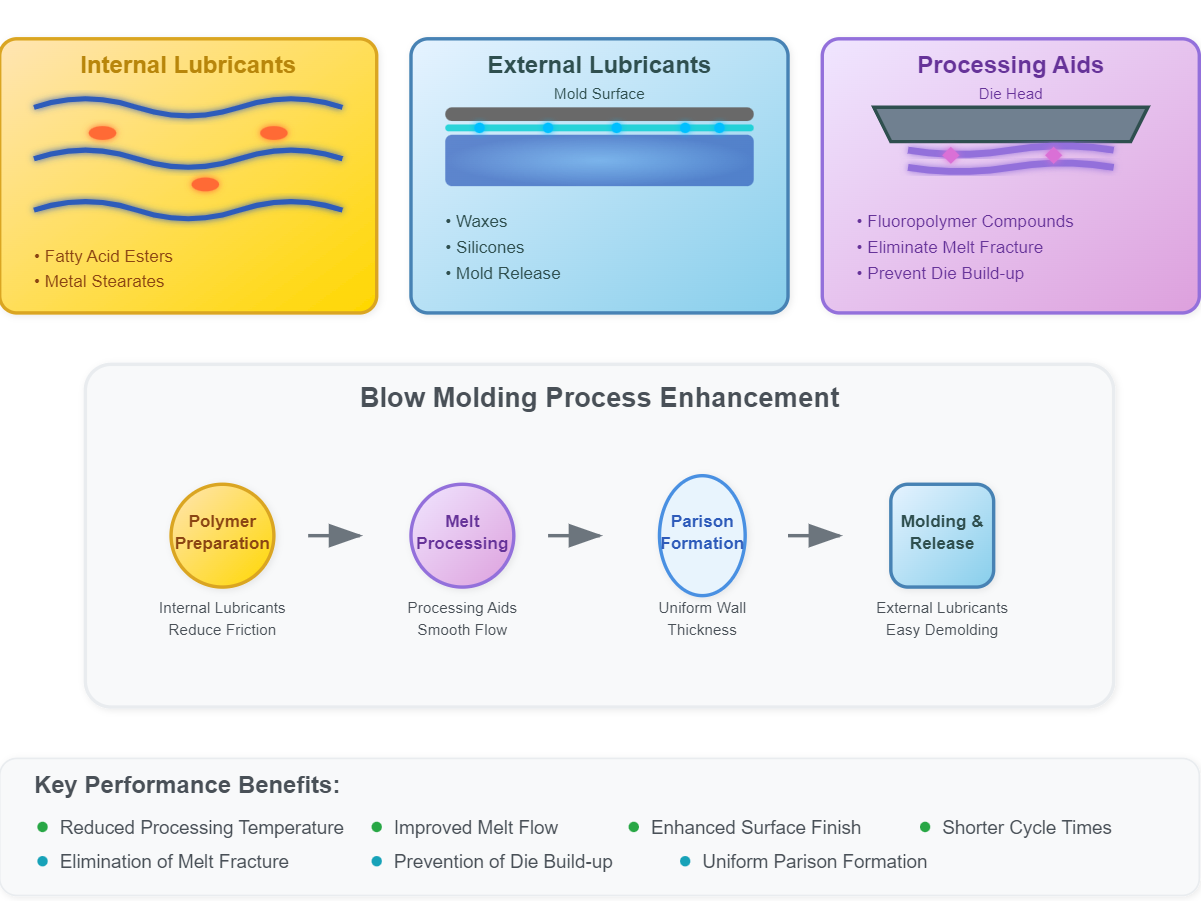
Lubricants represent one of the most critical categories of blow molding additives. Internal lubricants, such as fatty acid esters and metal stearates, reduce friction between polymer chains, improving melt flow and reducing processing temperatures.
External lubricants, including waxes and silicones, facilitate mold release and prevent sticking. These blow molding additives significantly reduce cycle times and improve surface finish quality.
Processing aids, particularly fluoropolymer-based compounds, eliminate melt fracture and die build-up issues. These blow molding additives are especially valuable when processing high-molecular-weight polymers or producing large parts with complex geometries. They ensure smooth material flow through the die head and uniform parison formation.
Thermal Stabilizers
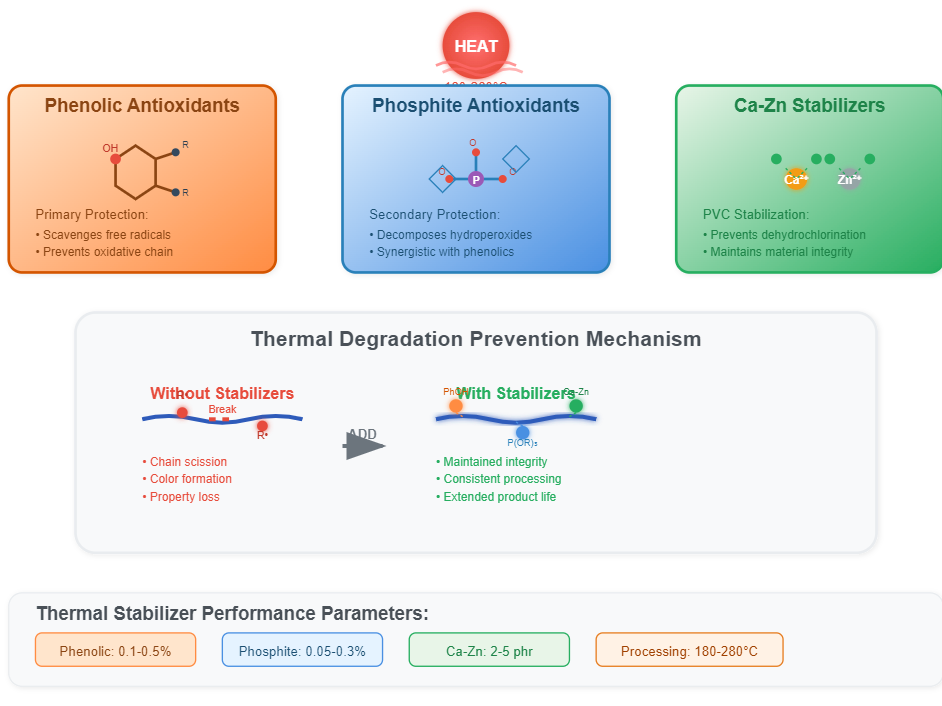
Heat stabilizers are indispensable blow molding additives that prevent polymer degradation during high-temperature processing. Phenolic antioxidants protect against oxidative degradation, while phosphites serve as secondary antioxidants, decomposing hydroperoxides formed during processing.
For PVC applications, metal-based stabilizers like calcium-zinc systems are essential blow molding additives that prevent dehydrochlorination and maintain material integrity. Proper selection of thermal stabilizers ensures consistent processing and extends the useful life of blow molded products.
Special Considerations for PVC Blow Molding Compounds
Blow molding plastic PVC compounds normally need a more balanced formulation than simple polyolefin materials. Besides the base PVC resin, the compound may include heat stabilizers, lubricants, plasticizers, processing modifiers, impact modifiers and pigments. The purpose is not only to make the material flow, but also to prevent thermal degradation, surface defects and brittleness during processing.
For rigid PVC containers or technical hollow parts, too little lubrication may increase melt friction and die build-up, while too much lubricant can reduce fusion quality and weaken the final part. When PVC is used for colored or outdoor products, the pigment system and UV package should also be tested because heat history and sunlight exposure can both influence long-term appearance.
Performance-Enhancing Additives

UV Stabilizers and Antioxidants
For outdoor applications, UV stabilizers are crucial blow molding additives that prevent photodegradation. Hindered amine light stabilizers (HALS) and benzotriazoles absorb harmful UV radiation, preventing chain scission and maintaining mechanical properties. These blow molding additives extend product lifespan significantly, particularly for automotive parts, outdoor furniture, and agricultural containers.
Impact Modifiers
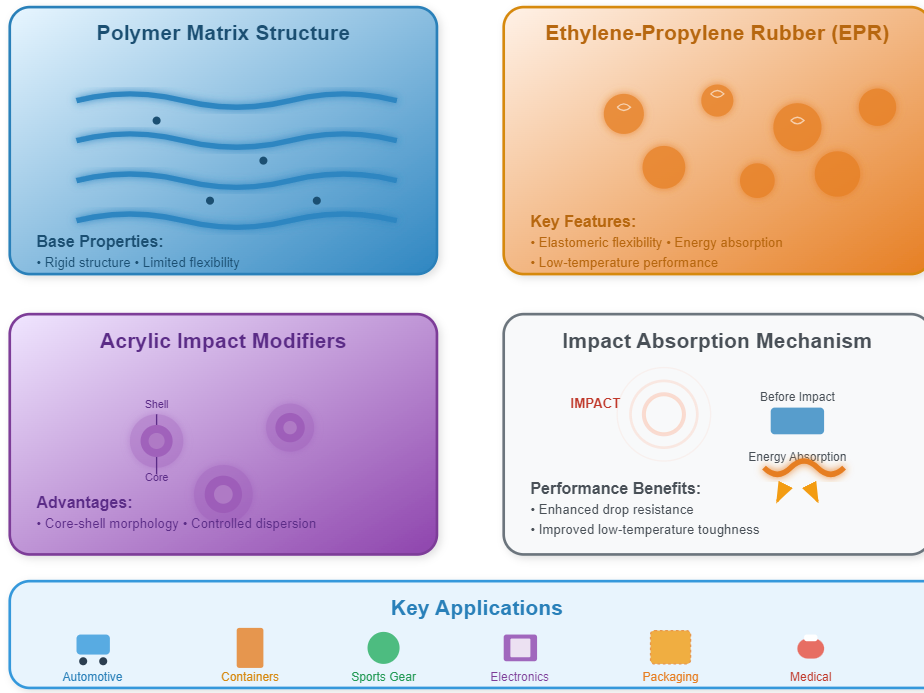
Impact modifiers are specialized blow molding additives that improve toughness and resistance to mechanical stress. Elastomeric compounds like ethylene-propylene rubber and acrylic impact modifiers create a dispersed rubber phase within the polymer matrix. These blow molding additives are particularly important for applications requiring drop resistance or low-temperature performance.
Colorants and Pigments
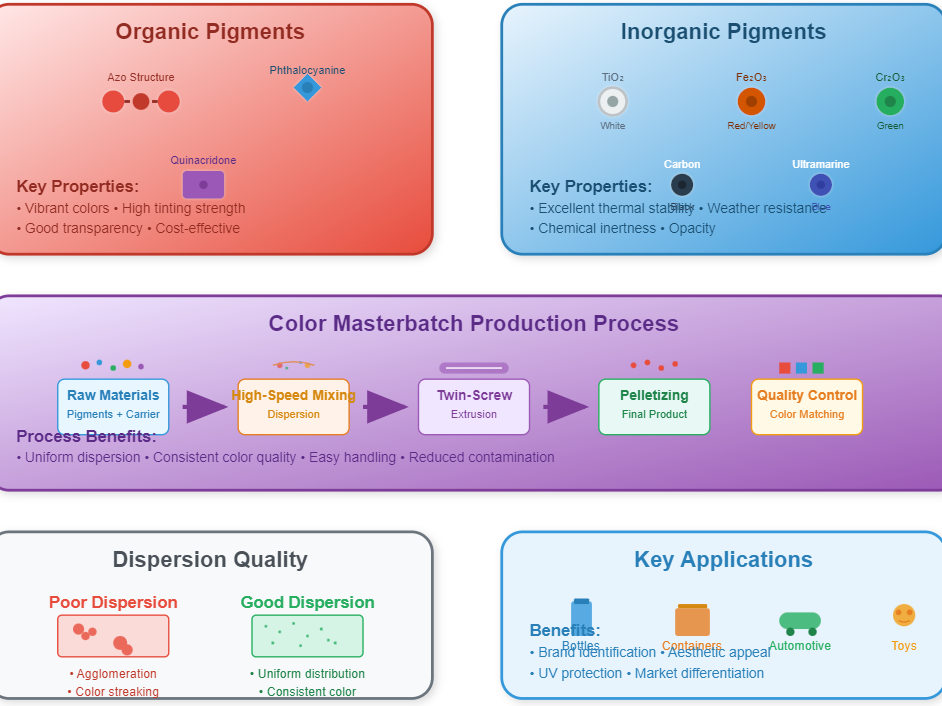
Color masterbatches are among the most visible blow molding additives, providing aesthetic appeal and brand identification. Organic and inorganic pigments must be carefully selected for thermal stability and compatibility with the base polymer. These blow molding additives require precise dispersion to ensure color uniformity across the entire product.
Impact Modifiers for Appliance and Consumer Product Parts
Appliances impact modifiers are often used when plastic parts must survive drops, vibration, assembly pressure or low-temperature handling. In household appliance components, the additive choice may affect not only toughness, but also gloss, color stability, shrinkage and the texture copied from the mold surface.
For large covers, ducts, tanks and protective housings, impact modification should be evaluated together with wall thickness and part geometry. A formulation with higher toughness may still fail if the blow ratio is too aggressive or if thin corners cool too quickly. During mold trial, the processor should check drop performance, stress whitening, warpage and whether the modified resin still releases smoothly from the cavity.
Color Masterbatch, Dry Color or Pre-Colored Compound?
For buyers comparing blow molding plastic colorants and compounds, the main choice is usually between color masterbatch, dry color, liquid color and pre-colored resin. Masterbatch is common for continuous production because it is clean to feed and easier to dose automatically. Dry color may offer flexibility for short runs, but it can create dust, mixing variation and housekeeping problems if the process is not controlled well.
Pre-colored compounds are useful when color consistency is more important than formulation flexibility. They reduce the risk of poor pigment dispersion, but they also require more inventory planning because the color is already built into the resin. For transparent bottles, cosmetic packaging and brand-sensitive containers, the final decision should consider color tolerance, let-down ratio, carrier compatibility, wall thickness and the possibility of visible flow marks.
| Colorant Form | Best Used For | Main Risk to Check |
|---|---|---|
| Color masterbatch | Stable production with automated dosing | Wrong let-down ratio or incompatible carrier resin |
| Dry color | Short runs and flexible color changes | Dust, uneven mixing and color specks |
| Pre-colored compound | Strict color consistency requirements | Higher inventory pressure and less formulation flexibility |
Daily maintenance of packing room
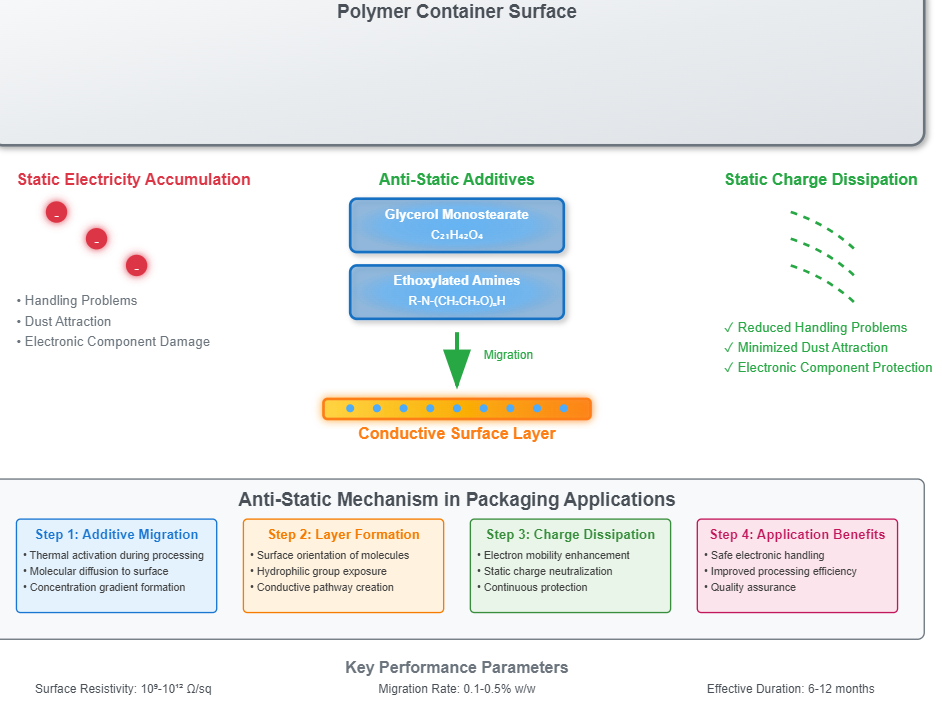
Static electricity accumulation can cause handling problems and dust attraction. Anti-static blow molding additives like glycerol monostearate and ethoxylated amines migrate to the surface, creating a conductive layer that dissipates static charges. These additives are essential for packaging applications where static could damage electronic components or cause handling difficulties.

Container creative house
Beyond colorants, specialized surface modifiers enhance the aesthetic qualities of blow molded products. Gloss improvers, matting agents, and slip agents are blow molding additives that tailor surface properties to meet specific application requirements, from high-shine cosmetic containers to non-glare medical devices.
Performance Additive Comparison
| Additive Type | Primary Function | Key Benefits | Common Applications |
|---|---|---|---|
| UV Stabilizers | Prevent photodegradation | Extended outdoor lifespan, color retention | Automotive parts, outdoor furniture |
| Impact Modifiers | Improve toughness | Resistance to mechanical stress, drop performance | Packaging, containers, toys |
| Colorants | Provide color | Aesthetic appeal, brand identification | Consumer goods, packaging |
| Anti-Static Agents | Dissipate static charges | Dust resistance, safe handling | Electronics packaging, medical devices |
Specialized Functional Additives
Nucleating Agents
Nucleating agents are sophisticated blow molding additives that control crystallization behavior in semi-crystalline polymers. Compounds like sodium benzoate and talc create numerous crystallization sites, resulting in smaller, more uniform crystal structures.
These blow molding additives improve clarity, stiffness, and reduce cycle times by accelerating crystallization rates. For food packaging applications, nucleating agents can enhance barrier properties while maintaining optical clarity.


Antimicrobial Additives
With increasing hygiene awareness, antimicrobial blow molding additives have gained prominence. Silver-based compounds and organic biocides provide long-lasting protection against bacterial and
fungal growth.
These blow molding additives are particularly valuable for medical devices, food packaging, and personal care product containers. Modern antimicrobial systems offer broad-spectrum protection without compromising material properties or safety.
Barrier Enhancement Additives
For applications requiring gas barrier properties, specialized blow molding additives like nanoclay compounds create tortuous paths that reduce permeation rates. These additives are crucial for carbonated beverage bottles and fuel tanks where maintaining barrier properties is essential.
Advanced barrier systems combining multiple blow molding additives can achieve performance levels approaching those of multi-layer structures, simplifying production while maintaining product integrity.

Flame Retardants
In applications requiring fire safety, flame retardant blow molding additives are critical. These specialized compounds, including halogenated and phosphorus-based systems, inhibit combustion and reduce smoke generation. Blow molding additives for flame retardancy are essential in automotive components, electrical enclosures, and building materials where fire safety standards must be met.
Bio-Based Additives
Responding to environmental concerns, bio-based blow molding additives derived from renewable resources are increasingly available. These sustainable alternatives to petroleum-based additives include plant-derived lubricants, natural antioxidants, and biodegradable modifiers. Blow molding additives with bio-based content help manufacturers meet sustainability goals without sacrificing performance.
Selection Criteria and Optimization
Choosing appropriate blow molding additives requires careful consideration of multiple factors. Processing temperature windows, compatibility with base polymers, and potential interactions between different additives must be evaluated. The concentration of blow molding additives significantly affects both processing behavior and final properties, requiring careful optimization through systematic testing.
Do Not Confuse Plastic Molding Additives with Casting Mould Additives
Some buyers search for casting mould additives when they are actually comparing plastic molding materials. These are different topics. In casting, additives may refer to release agents, binders, sand additives or chemicals used around metal, concrete or resin casting systems. In plastic blow molding, the additive is normally compounded into the polymer itself to change melt flow, thermal stability, color, impact strength or surface behavior.
If the project is a hollow plastic part, the correct discussion should start with the resin grade and molding process, not with casting terminology. This helps the mold maker and material supplier avoid the wrong recommendation, especially when the product requires food-contact packaging, outdoor durability, flame retardancy or tight color matching.

Laboratory testing is essential for optimizing blow molding additives formulations
Regulatory compliance is another critical consideration when selecting blow molding additives. Food contact applications require FDA-approved additives, while medical applications demand USP Class VI compliance. Environmental regulations increasingly influence additive selection, driving demand for bio-based and recyclable blow molding additives.
Key Selection Criteria for Blow Molding Additives
Polymer Compatibility
Ensure additives are compatible with base polymer chemistry
End-Use Requirements
Select additives that enhance required performance properties
Additive Interactions
Evaluate potential synergies or antagonisms between additives
Environmental Impact
Consider sustainability and end-of-life considerations
Processing Conditions
Match additives to processing temperatures and equipment
Regulatory Compliance
Verify compliance with industry and regional regulations
Cost-Effectiveness
Balance performance benefits with additive costs
Long-Term Stability
Ensure additives maintain effectiveness throughout product lifecycle
Quick Answers for Additive Selection
Q: What additive helps improve color uniformity in blow molding?
A: A well-dispersed color masterbatch is usually the first choice for stable color in blow molding. The carrier resin should match the base polymer, and the pigment must withstand the processing temperature without color shift, specks or streaks.
Q: Which additive is used when a blow-molded part cracks easily?
A: An impact modifier may be selected when a hollow plastic part cracks during drop testing, cold storage or assembly. The correct grade depends on the base resin, required toughness level, wall thickness and whether the product must keep clarity, gloss or weather resistance.
Q: When should injection moulding additives be reviewed for a blow-molded project?
A: Injection moulding additives should be reviewed when the project uses an injection blow molding process, a preform stage or a resin already developed for injection molded parts. The additive must survive both the injection stage and the later blowing or reheating stage without losing performance.
Q: What should be checked before using a PVC compound in blow molding?
A: Before using a PVC compound in blow molding, the processor should check heat stability, lubrication balance, pigment compatibility, impact strength and regulatory requirements. PVC is sensitive to processing history, so a small formulation change can affect fusion, surface quality and long-term durability.
Advanced Additive Integration in Manufacturing Supply Chains
The successful implementation of specialized functional additives like nucleating agents, antimicrobial compounds, and flame retardants requires sophisticated manufacturing partnerships and precise processing control. When sourcing blow molds for sale, manufacturers must evaluate suppliers' expertise in handling temperature-sensitive additives and ensuring uniform distribution throughout the molding process.
Leading injection blow molding operations integrate advanced additive systems including silver-based antimicrobial compounds and nanoclay barrier enhancers directly into their processing protocols. These specialized blowing molds feature precise temperature control zones that prevent additive degradation while maintaining optimal crystallization behavior for nucleating agents like sodium benzoate and talc.
Custom blow molding services now offer comprehensive additive consultation, from bio-based lubricant selection to phosphorus-based flame retardant optimization. The extrusion blow molding sector particularly benefits from continuous additive feeding systems that ensure consistent concentration of barrier enhancement compounds and thermal stabilizers throughout production runs.
Manufacturers seeking blow mold sale opportunities must demonstrate expertise in additive compatibility testing and regulatory compliance for food-contact and medical applications. Established blow mold manufacturers maintain extensive databases correlating additive concentrations with processing parameters, ensuring optimal performance of antimicrobial systems and barrier properties. Working with experienced plastic blow molding companies provides access to validated additive formulations and processing innovations.
The global network of blow molding suppliers increasingly specializes in additive-specific applications, with dedicated blow mold makers focusing on flame-retardant automotive components and antimicrobial medical devices. Selecting the right blow molding supplier requires evaluating their additive integration capabilities, from nucleating agent dispersion to bio-based additive processing expertise. Leading blow mold companies now offer comprehensive additive consulting services, helping optimize both chemical compatibility and processing efficiency through strategic selection of functional additives and sustainable alternatives.
```