





What Is Laser Marking?
Mold shops started picking up these machines around 2008, 2009. Before that everybody used electric pencil engravers or roll stamps.
The Trumpf and IPG units were expensive back then. Now a Chinese-made fiber marker runs maybe eight, nine thousand dollars and works fine for most applications.
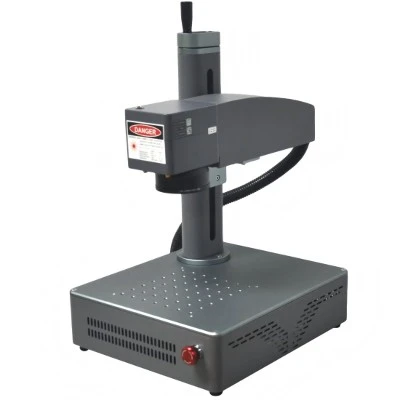
The marks go on after machining, after heat treat, after polishing. Cavity number, mold number, steel grade, date code.
Automotive wants a 2D matrix on every cavity that links back to the steel mill cert. Medical is the same way now.
A 32-cavity mold means 32 unique codes and someone has to keep track of all that in the quality system.
Aluminum is a different story. The thermal conductivity pulls heat away from the beam contact point so fast that you end up with a gray smear instead of a clean black line.
Guys run slower feed rates on aluminum, maybe 800 millimeters per second instead of 2000.
Some shops do two passes.
Depth matters more than people think.
Most marks run somewhere between half a thou and two thou.
The sweet spot depends on the resin, the cycle count, how aggressive the mold tech is with the scotch-brite.
Polished surfaces mark darker than textured surfaces. EDM texture kills mark contrast. The sequence matters. Mark the cavity after polish, before texture, or you'll be re-marking it later.
Date code inserts sit in pockets milled into the B-side. The insert swaps out every week or every month depending on customer requirements.
Some customers want the date molded into the part.
Some want it on the mold only.
Some want both.
Handheld units work for big molds that won't fit on a marking table.
The Telesis and Pryor handhelds are common.
Repeatability isn't as good as a fixed head but nobody expects sub-thousandth accuracy on a part number.